ALLEA Joins the Global Research Community in Cairo to Discuss Bridging Science, Policy, and Society in an Era of Transformation
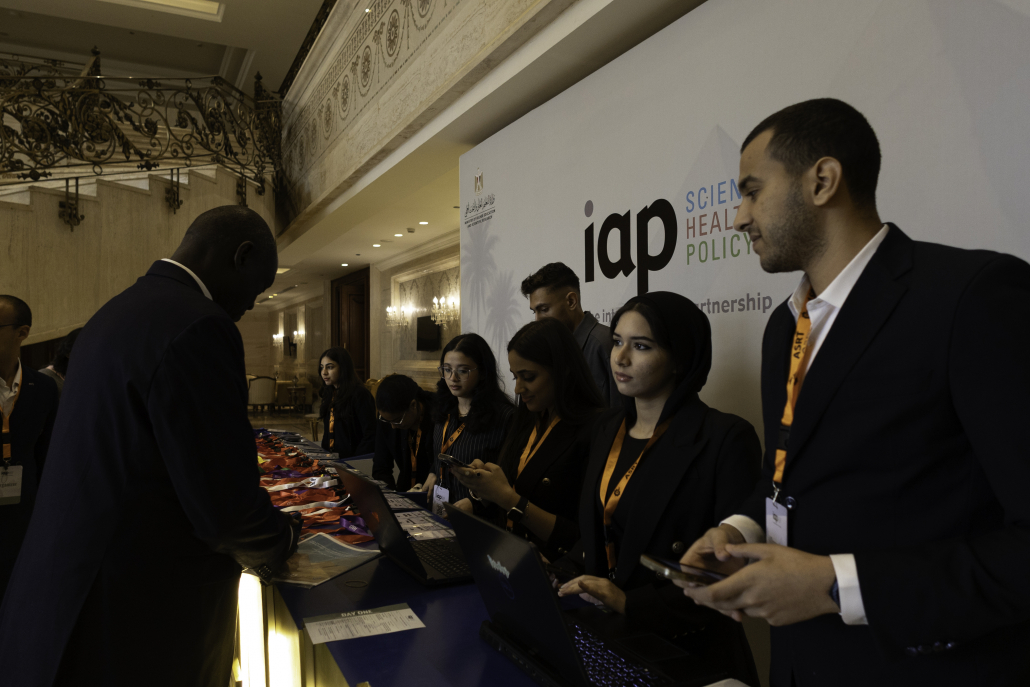
From 8-11 December, ALLEA, represented by its President, Pawel Rowiński, joined members of the global research community at the 2025 IAP Triennial Conference and General Assembly in Cairo, Egypt to debate a wide range of issues concerning science and society, from research assessment reform to the role of science diplomacy in times of geopolitical volatility. The conference was attended by 164 participants from 68 countries. A summary of ALLEA’s participation is below.
Panel on Reforming Research Assessment for Excellence and Impact
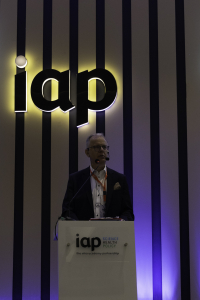
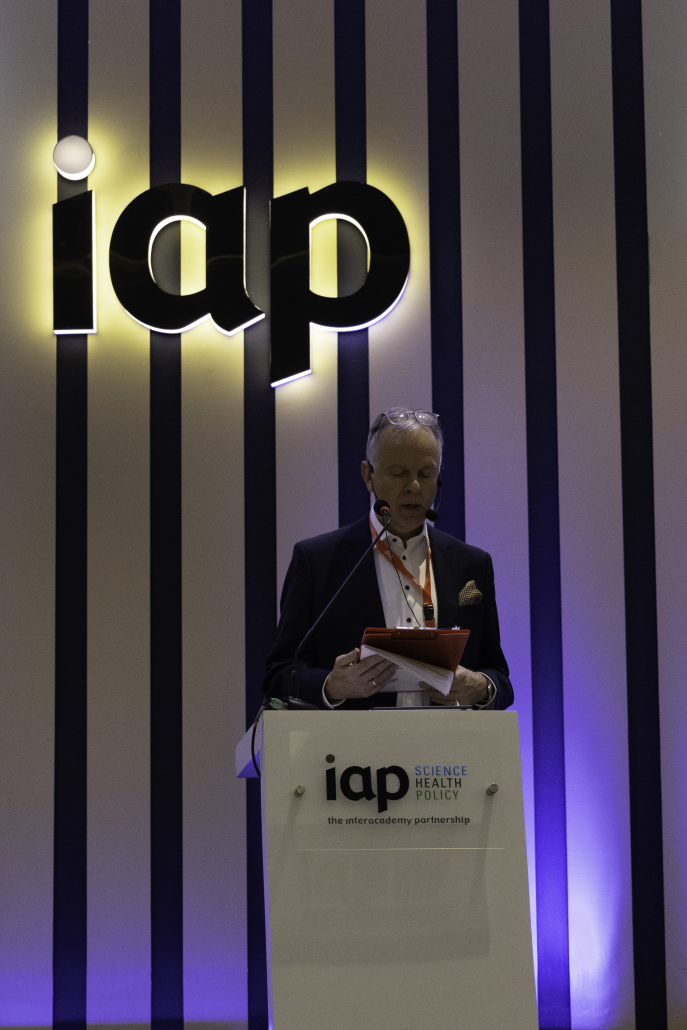
ALLEA President Pawel Rowiński
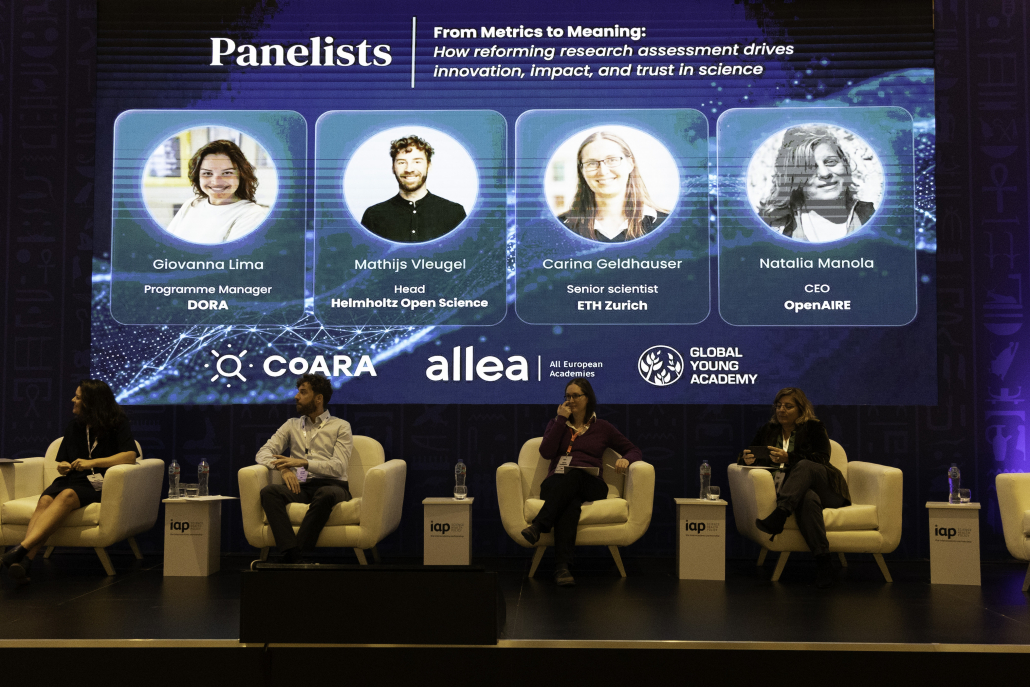
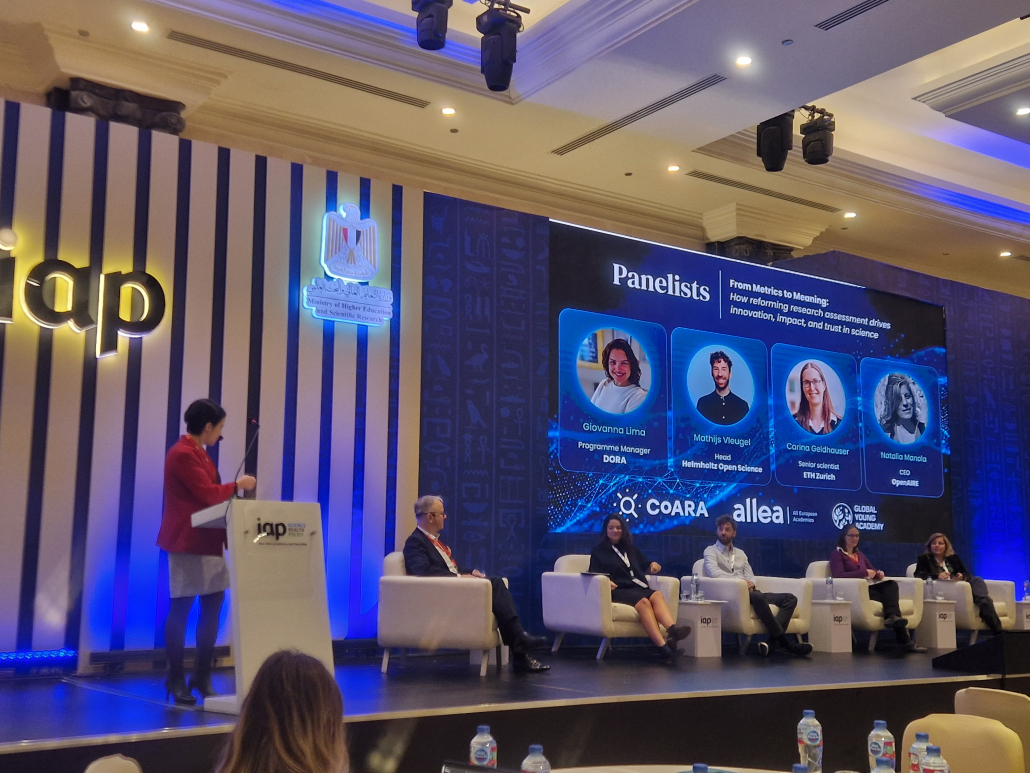
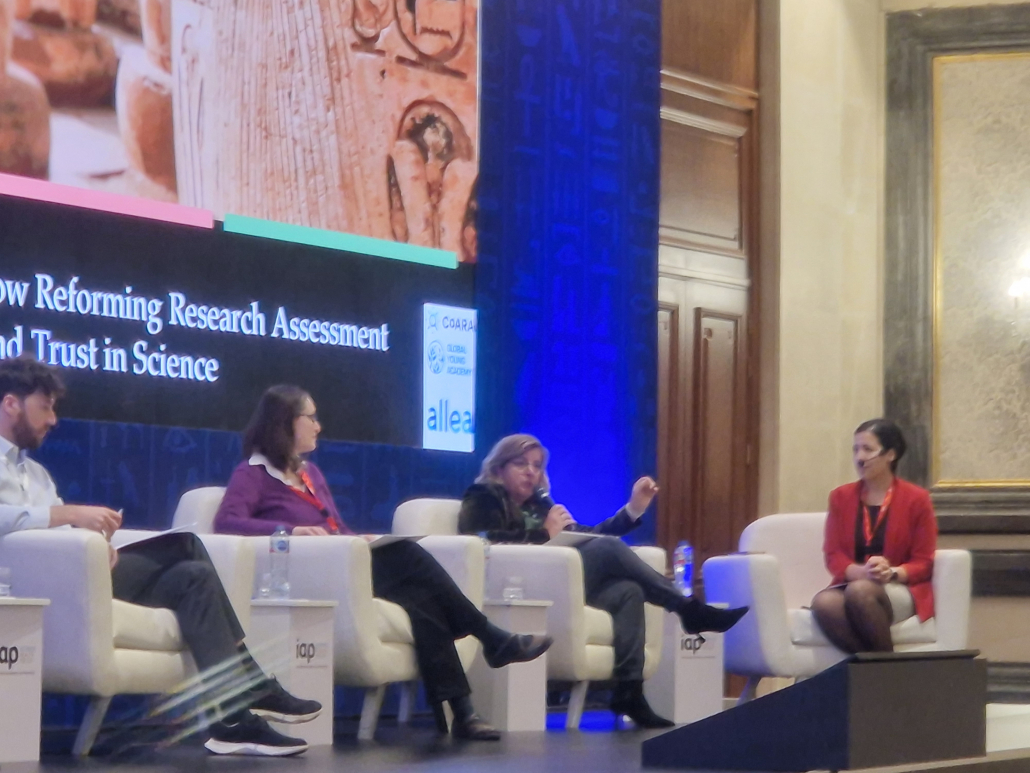
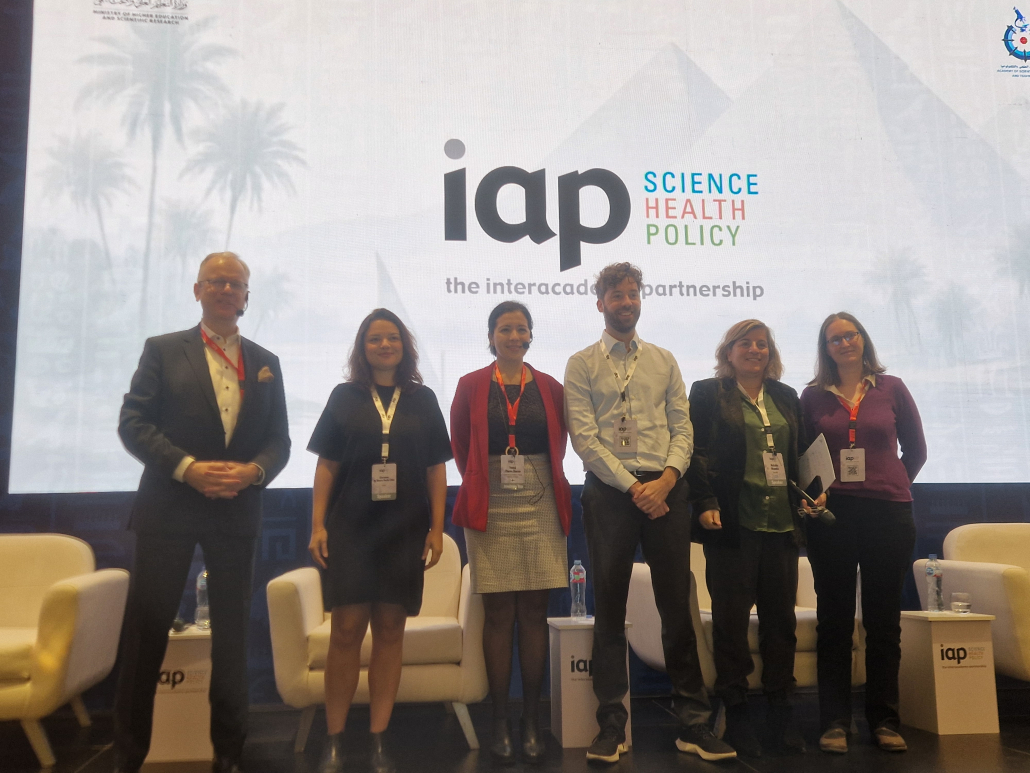
On 8 December, ALLEA organised a side event, titled, From Metrics to Meaning: How Reforming Research Assessment Drives Innovation, Impact, and Trust in Science, in collaboration with the Global Young Academy (GYA), as part of the CoARA Boost project. The 90-minute session, moderated by ALLEA President, Professor Rowiński, and GYA Co-Chair, Dr Yensi Flores Bueso, broadly explored how research assessment systems could be redesigned and reformed to incentivise research excellence and socially impactful research – and thereby foster greater public trust in science.
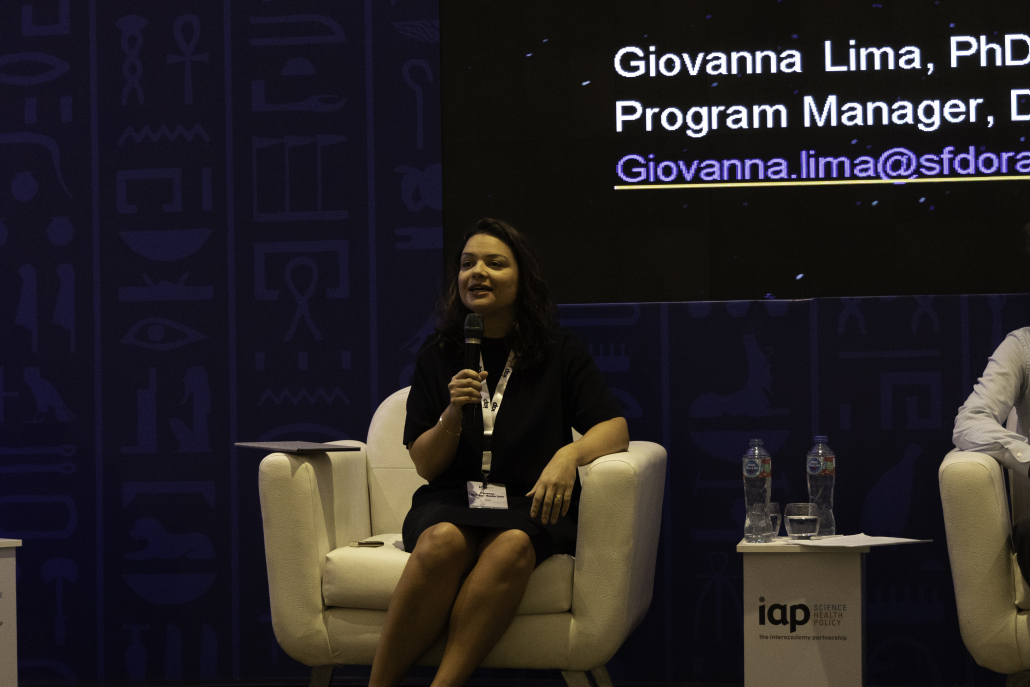
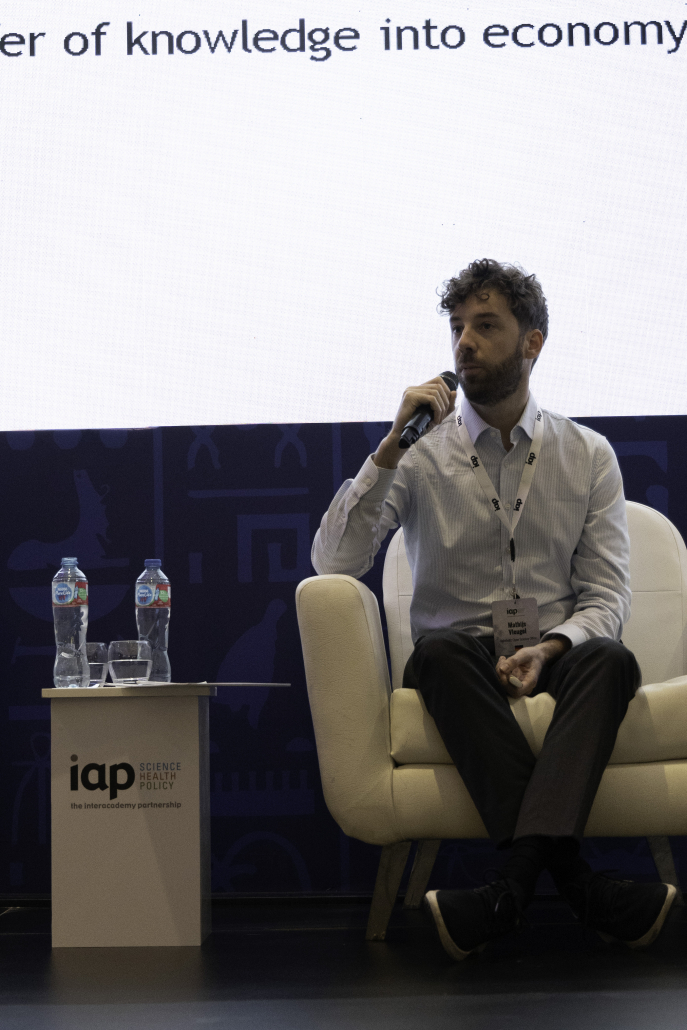
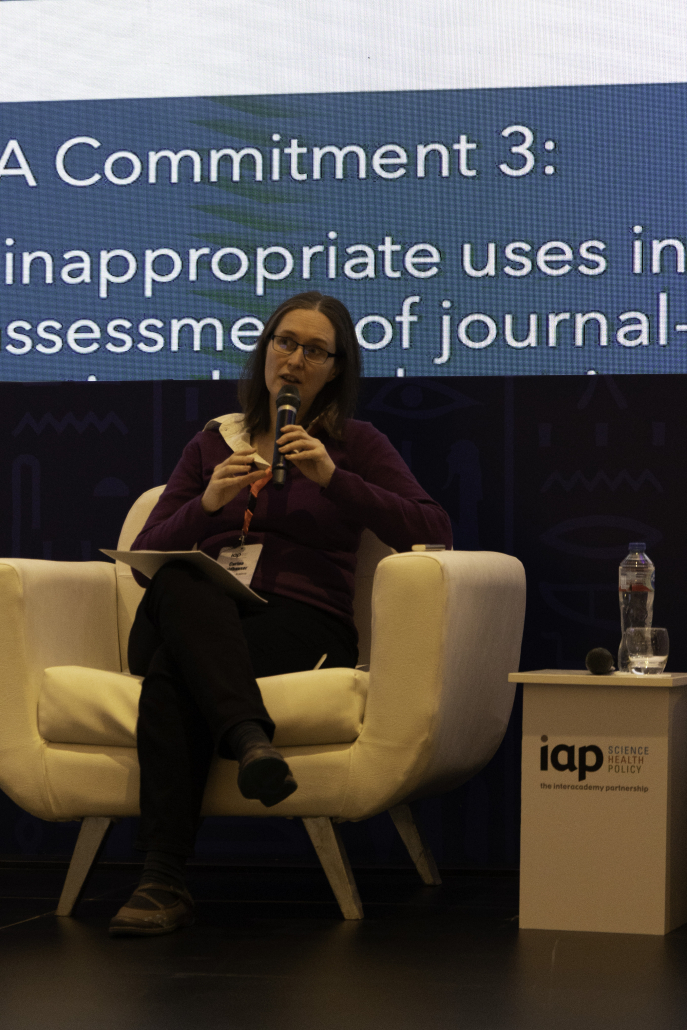
Speakers included (in order of appearance): Giovanna Lima (Program Manager, DORA), Mathijs Vleugel (Head, Helmholtz Open Science Office & Chair, CoARA German National Chapter), Carina Geldhauser (Senior Scientist, ETH Zurich & Member, GYA), and Natalia Manola (CEO, OpenAIRE MAKE). The speakers shared their perspectives on research assessment reform with both presentations as well as a panel discussion and Q&A with the audience.
The event opened with remarks from Prof Rowiński, in which he discussed the need for initiatives like CoARA and DORA to (re)build a research assessment system that moves beyond the preponderance of quantitative indicators to one predicated on holistic peer review. As he put it, “We need a system that recognises the diversity of research outputs. One that allows researchers to pursue research questions that can have real social impact – without fear of a negative consequences for their career.” This was followed by Dr Lima, who spoke about the Declaration on Research Assessment’s (DORA) work on advancing diverse and inclusive research cultures and the use of narrative CVs to better recognise the plurality of scholarly products.
“We need a system that recognises the diversity of research outputs. One that allows researchers to pursue research questions that can have real social impact – without fear of negative consequences for their career.”
– Pawel Rowiński, President of ALLEA
Dr Vleugel then shared recent work by the CoARA German National Chapter on evaluating the different criteria used in research assessment, drawing attention to the differences in values between different disciplines and across career stages, in particular between senior scientists and early career researchers.
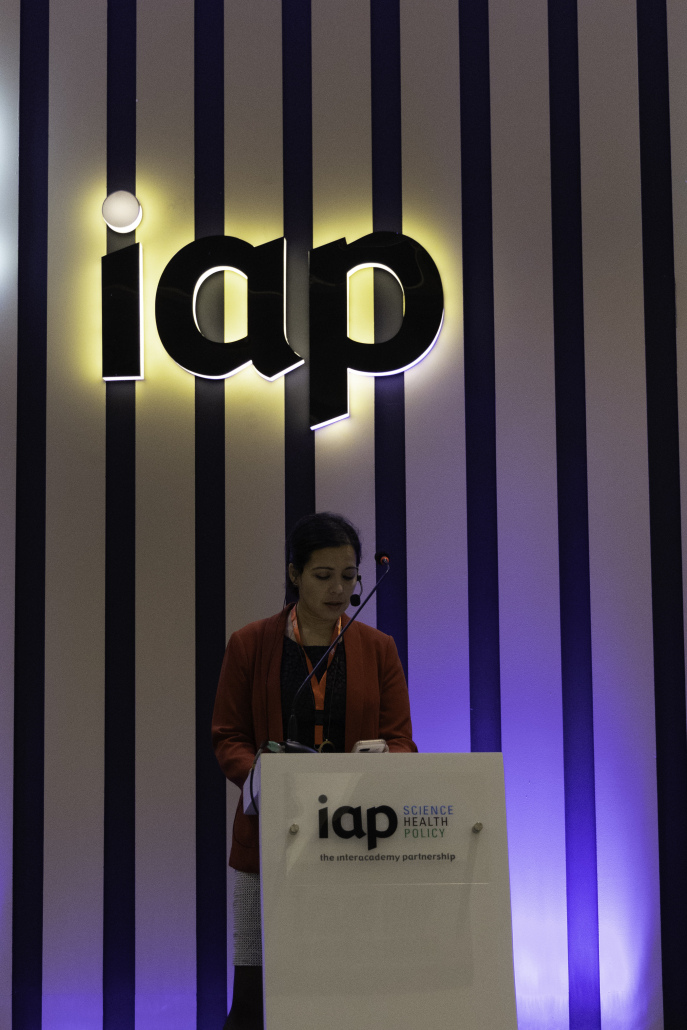
Dr Geldhauser then took the stage to share a funder’s perspective on reforming research assessment, as part of her work in the CoARA Working Group on Improving Practices in the Assessment of Research Proposals. She shared her insights on how to optimise qualitative reviews of research proposals, for instance by balancing the quality of the research idea and the qualifications of the researchers. Dr Geldhauser also highlighted the importance of having a diverse pool of reviewers with the proper training on the right evaluation criteria.
The final speaker, Ms Manola, rounded out the discussion with a presentation on the importance of building and sustainably maintaining open, transparent, community-governed and interoperable infrastructures for responsible research assessment. She highlighted that such infrastructures are needed to incentivise experimentation, enable diversity, and recognise value beyond metrics. “Taking risks should be accounted for. Traditional research assessments which are focused on citations so they are about predictable outcomes, and not about unconventional research paths,” she said. Ms Manola then shared the OpenAIRE Graph as an example of innovation-driven open infrastructures, which facilitates open science, research collaboration, and more holistic research assessment.
The side event ended with an interactive panel discussion and Q&A with the audience.
A recording of this event will be made available in the coming weeks.
A Proposal on Creating a Scientifically Literate Society
Diane Negra, Royal Irish Academy
During a structured horizon scanning session, where participants examined near- and long-term issues that demand collective scientific action, Prof Rowiński presented a proposal, on behalf of ALLEA and the Royal Irish Academy, on strengthening science education in Europe by addressing persistent challenges in interdisciplinary learning, scientific literacy, ethics (including the Nature of Science – NOS), and sustainability education.
A Strategy to Strengthen Global Scientific Collaboration
The IAP conference and GA also offered ALLEA the opportunity to have several high-level bilateral meetings with like-minded partners, such as IAP and EASAC (European Academies Science Advisory Council), to discuss ongoing and future cooperation on issues at the nexus of science and policy.
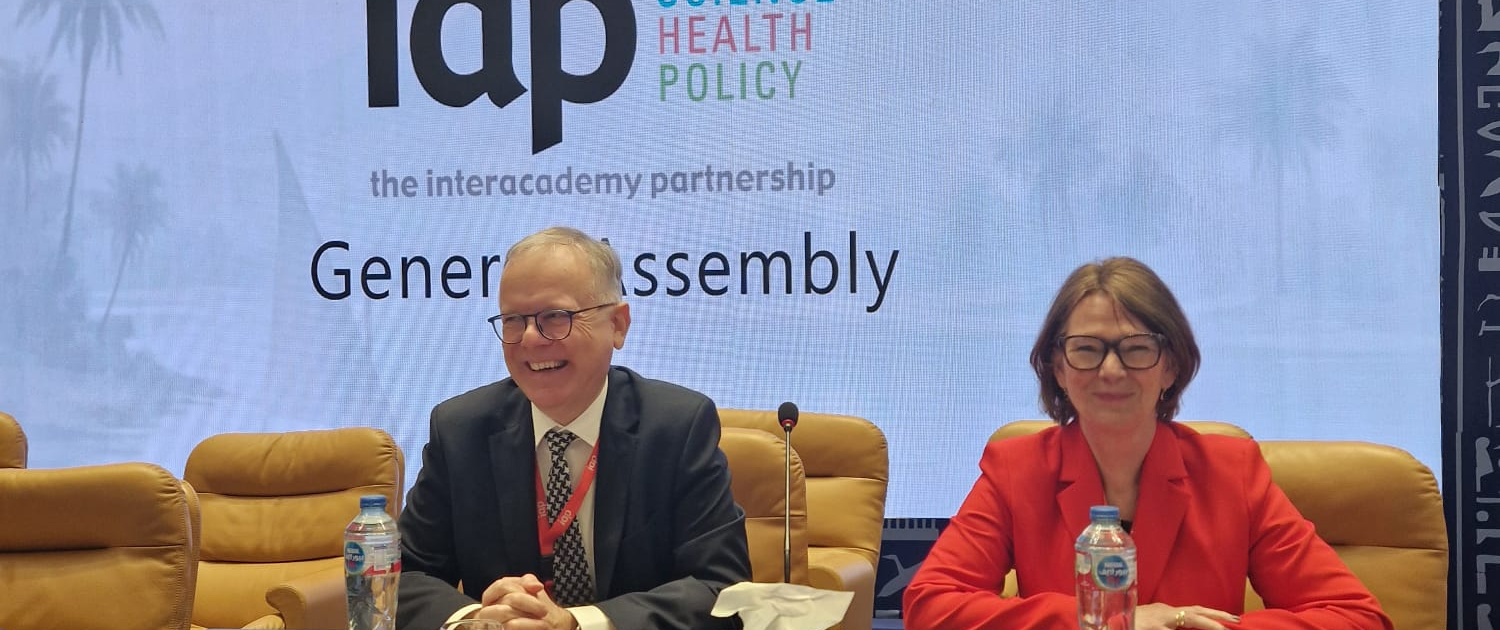
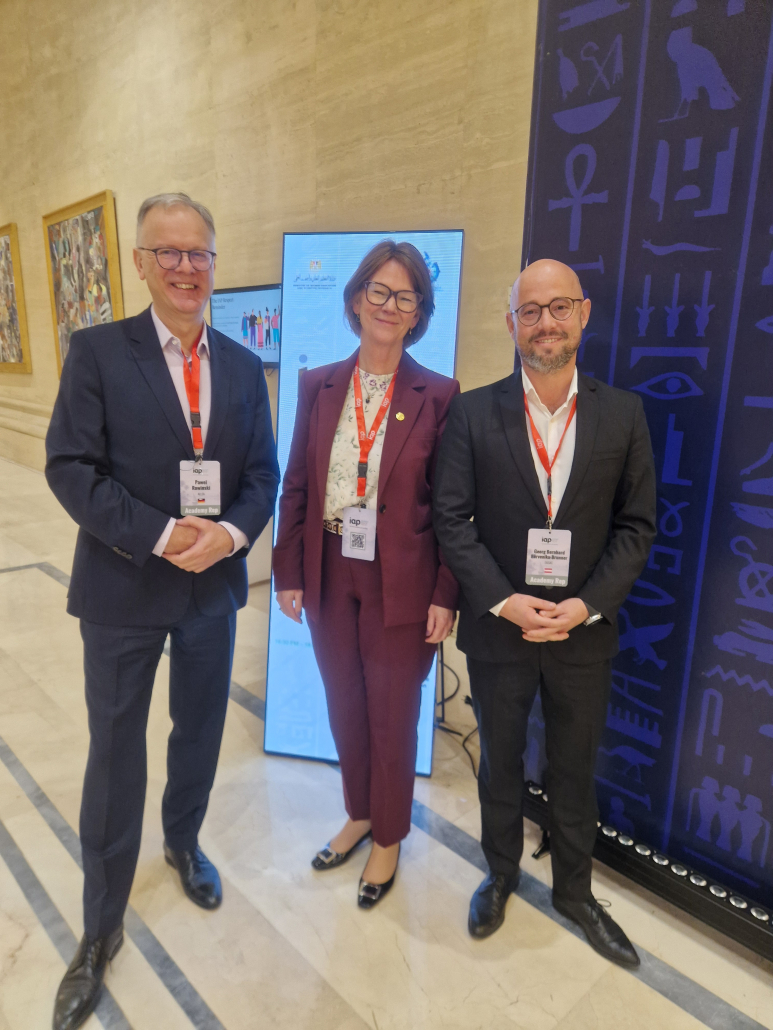
ALLEA President Pawel Rowiński & Incoming EASAC President Lise Øvreås
ALLEA was profoundly grateful to the IAP and the Academy of Scientific Research and Technology for this opportunity to engage with peers from across the world in discussions on several timely and important topics, such as building trust and resilience in science systems, the role of academies in society, ethical challenges of new technologies, and the impact of science advice and science diplomacy in a changing world.