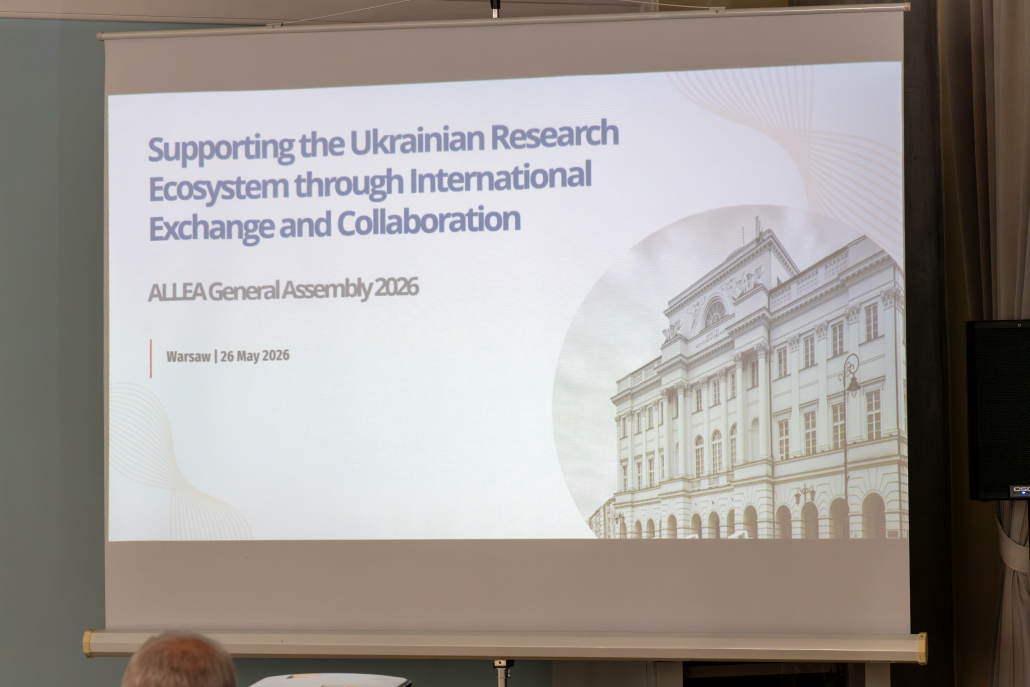
Event Report: Supporting the Ukrainian Research Ecosystem through International Exchange and Collaboration
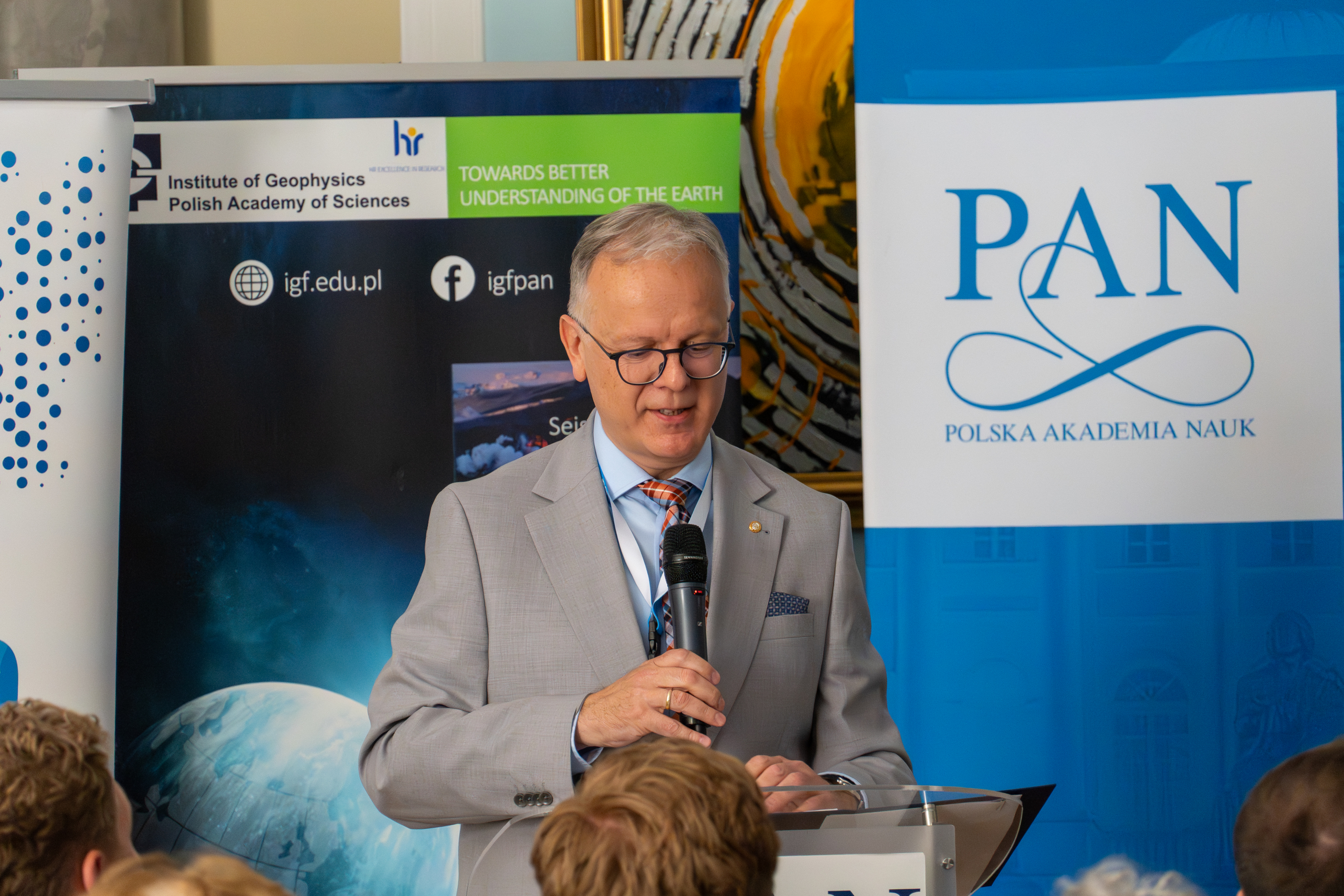
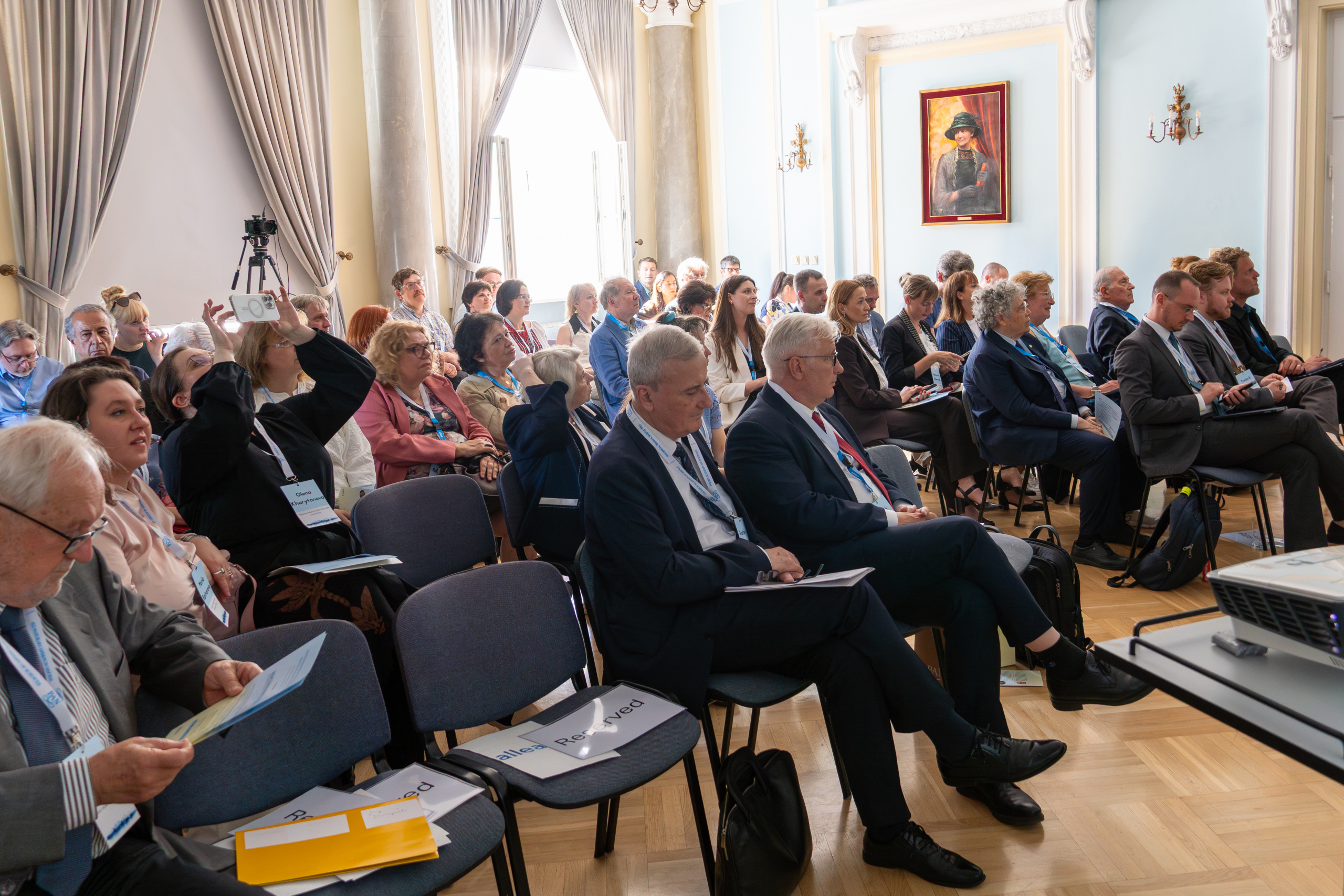
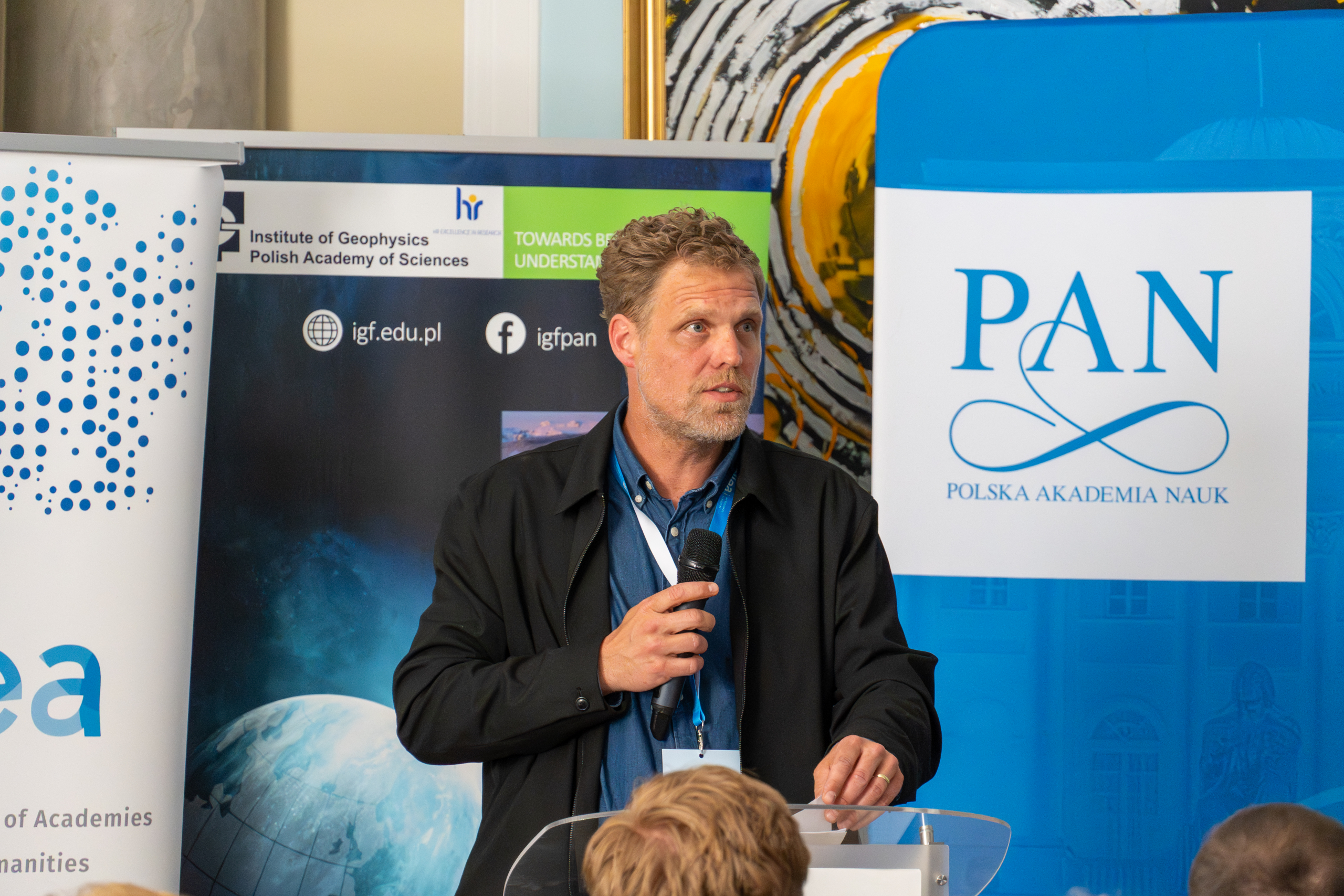
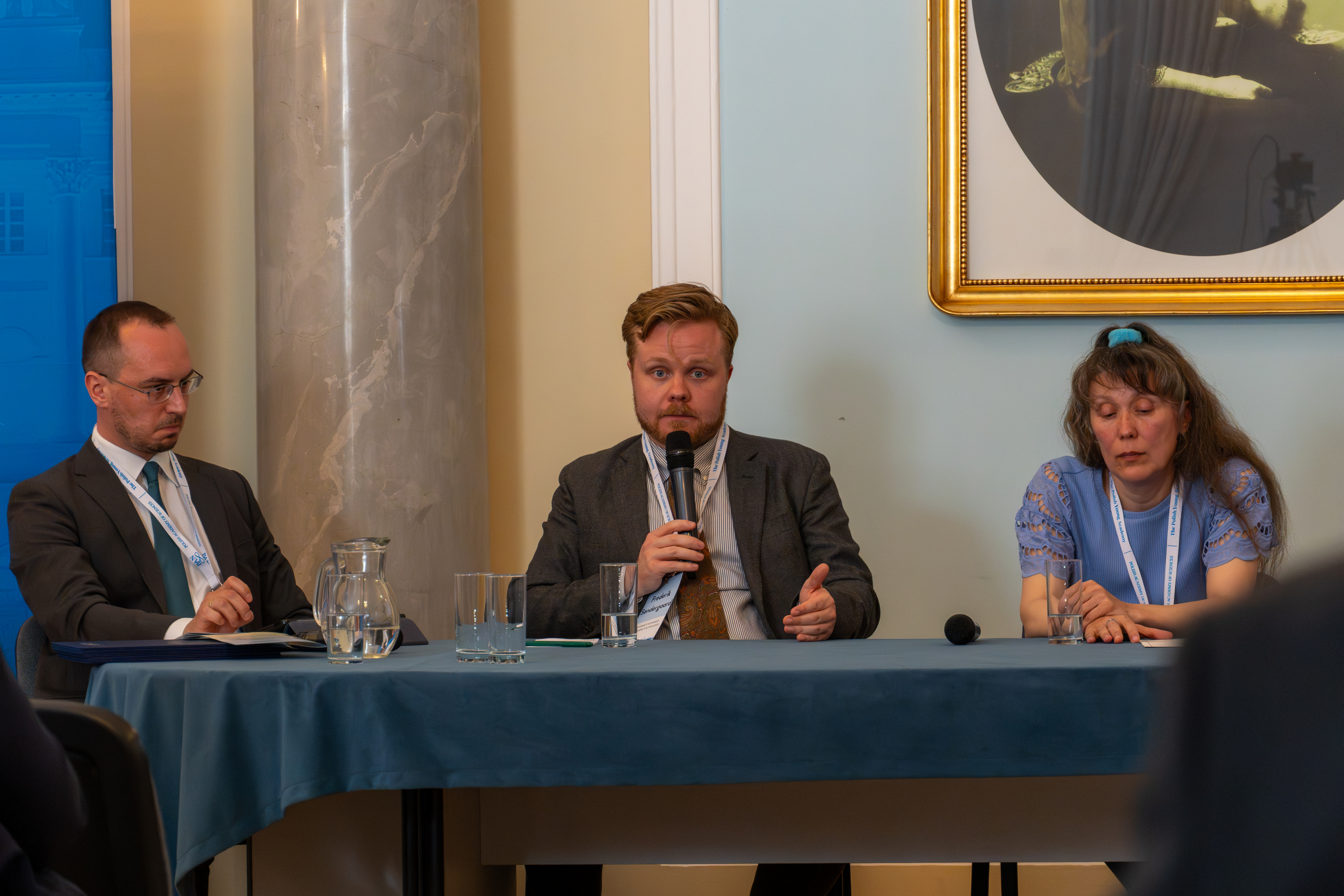
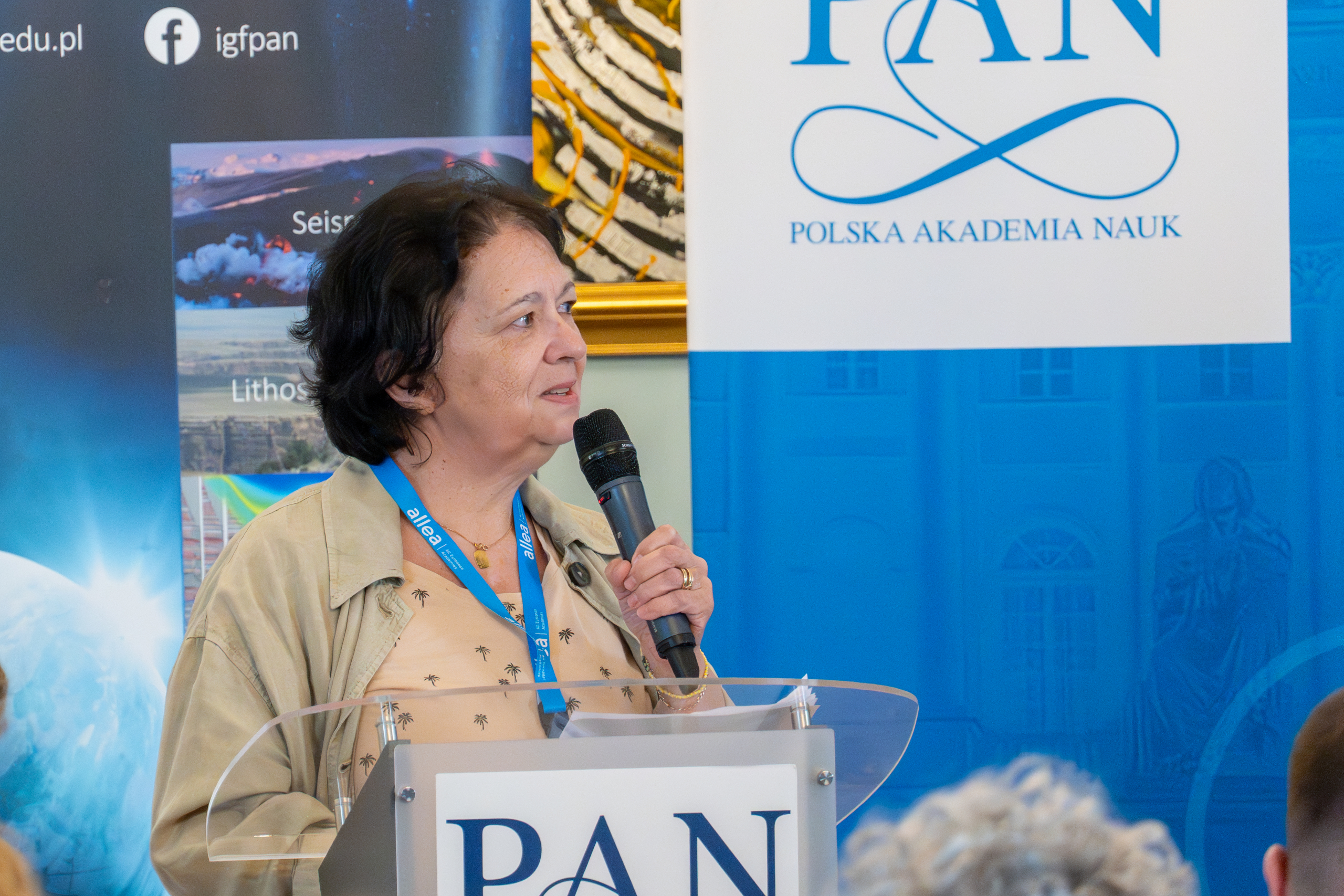
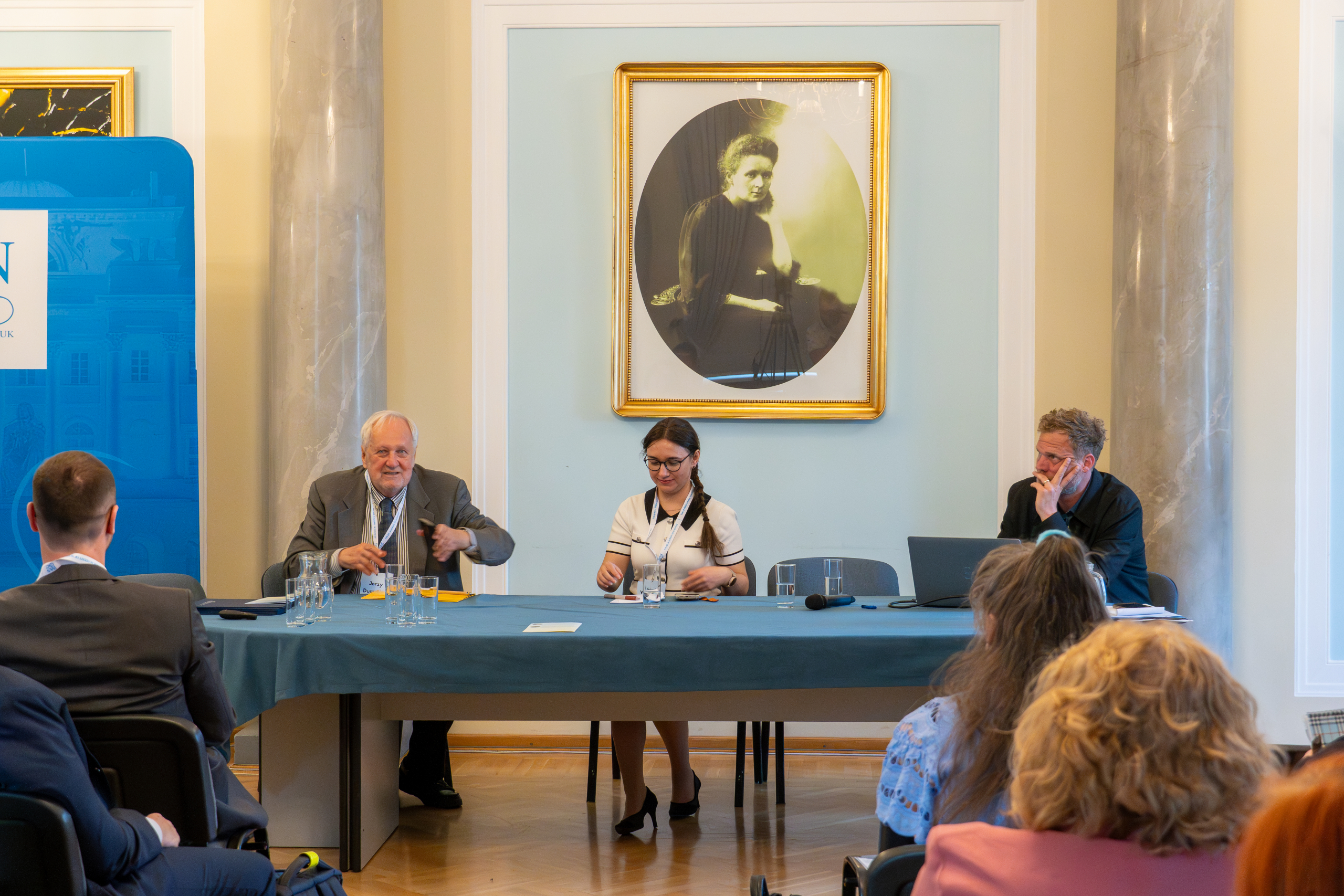
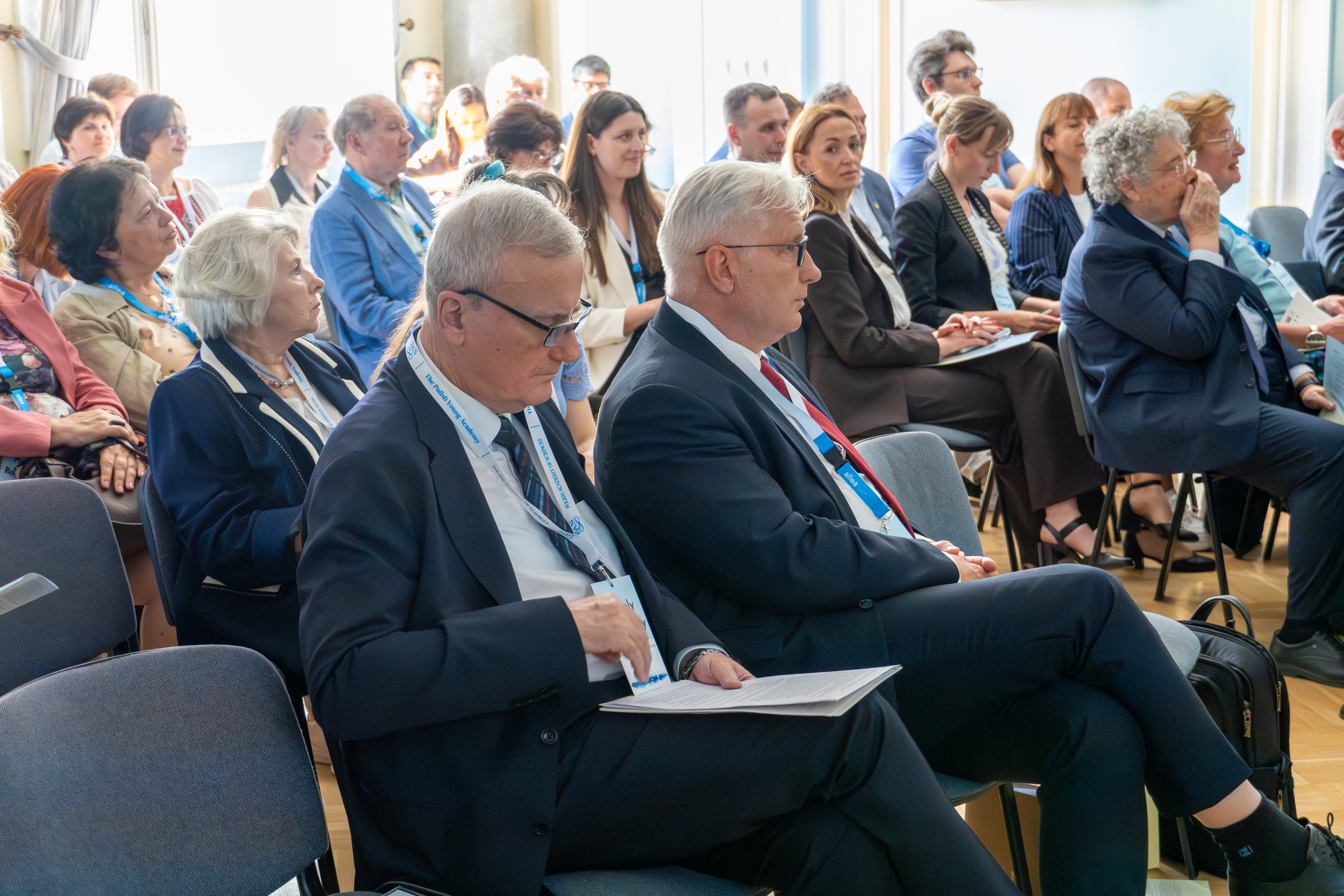
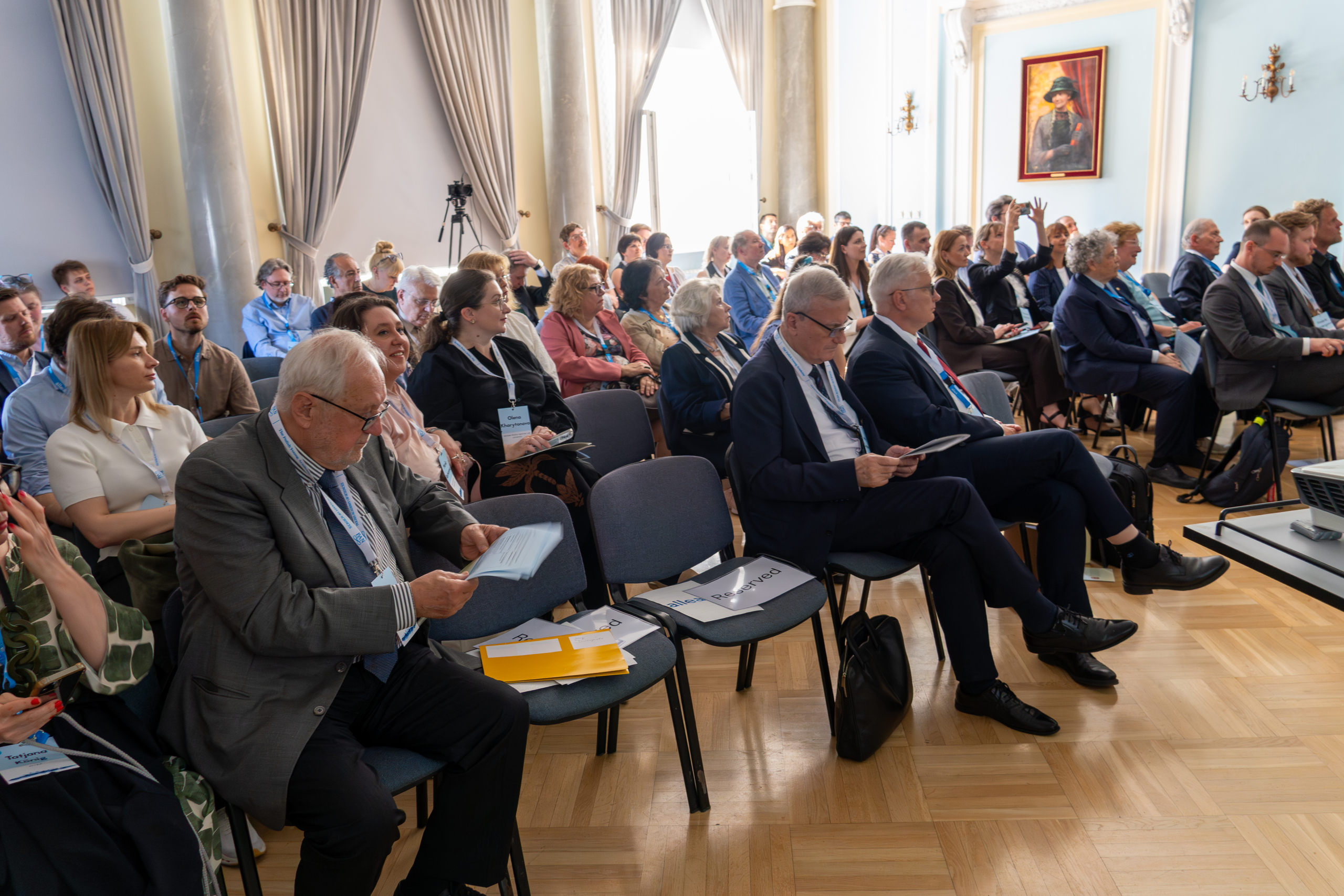
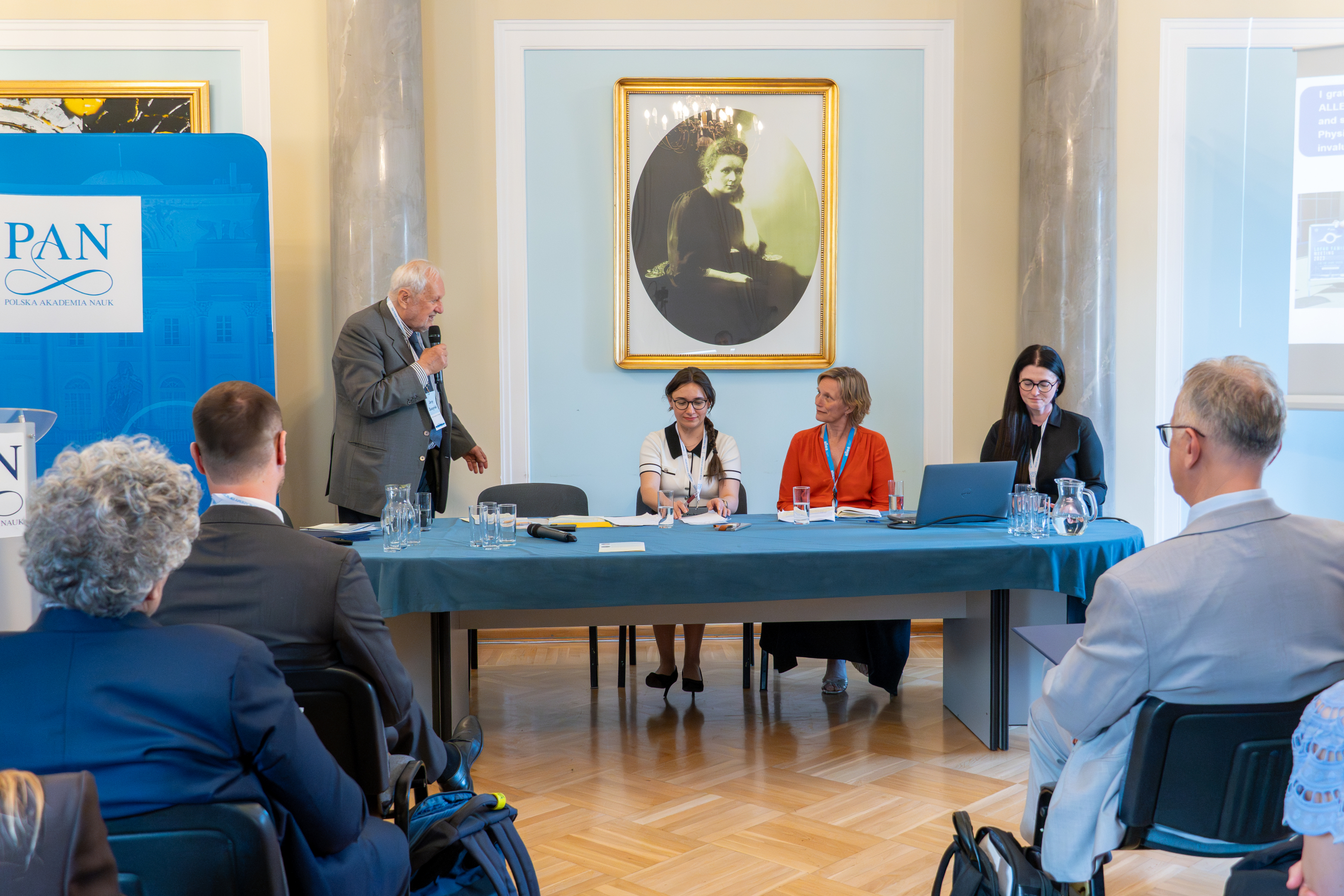
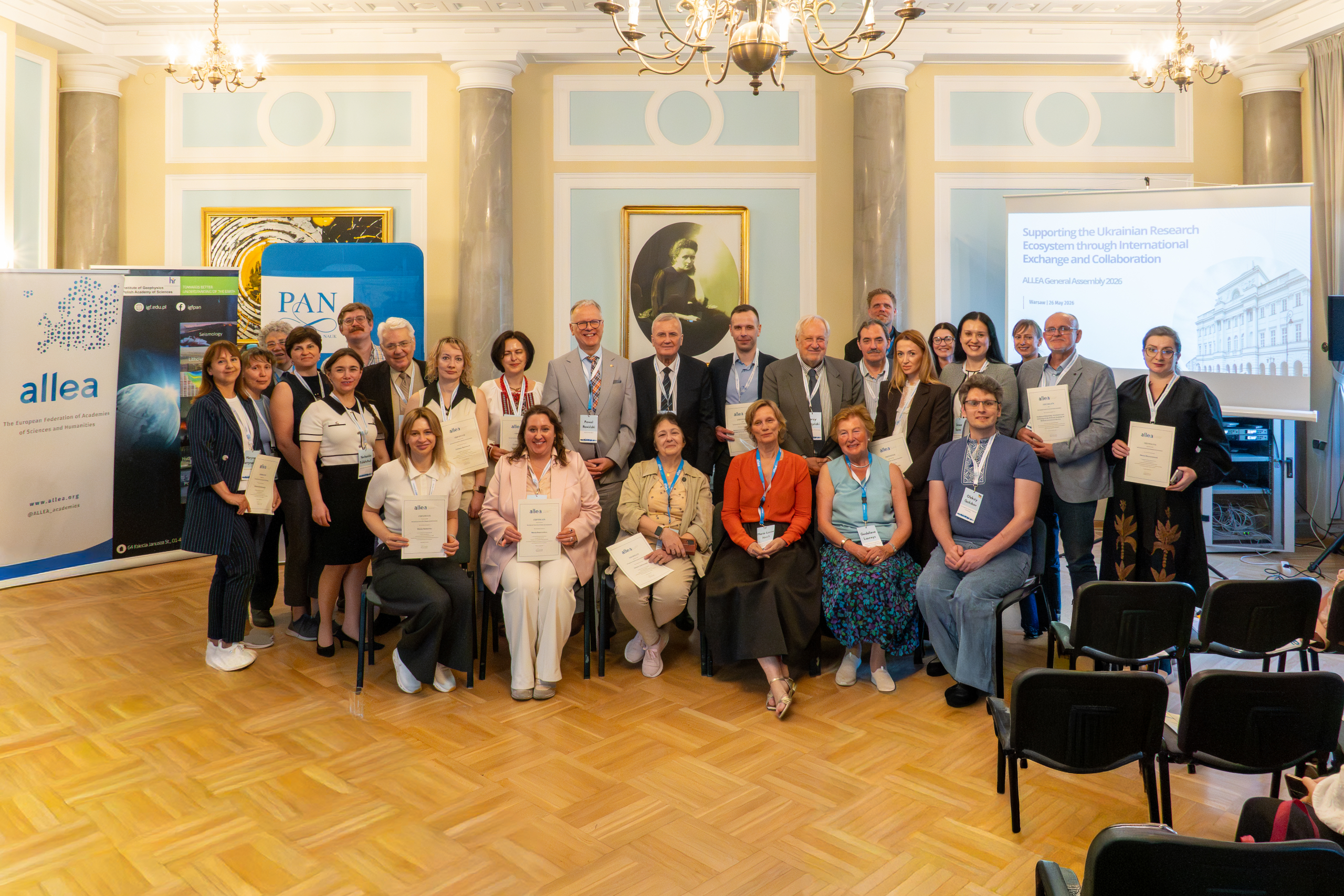
Held alongside the ALLEA General Assembly 2026 in Warsaw, Poland, the satellite event, ‘Supporting the Ukrainian Research Ecosystem through International Exchange and Collaboration’ convened representatives of European academies, Ukrainian research institutions, policymakers, and members of the Ukrainian scientific diaspora to discuss the future of Ukrainian science in the context of Russia’s ongoing war against Ukraine.
The event provided a platform to reflect on four years of international support efforts, assess current challenges facing the Ukrainian research ecosystem, and identify concrete measures to strengthen its resilience, recovery, and integration into the European Research Area.
The discussions highlighted the remarkable resilience of Ukrainian science despite the severe disruption caused by the war. Speakers emphasised that Ukrainian researchers and institutions continue to produce scientific knowledge, maintain international partnerships, and contribute to the country’s recovery under extraordinarily difficult circumstances. At the same time, participants stressed that preserving and developing Ukraine’s research capacity is not only a matter of solidarity, but a strategic investment in Europe’s shared scientific future.
From Emergency Support to Ecosystem Building
A central theme throughout the event was the evolution of support measures since 2022. Participants agreed that while emergency assistance remains necessary, international efforts must increasingly focus on long-term capacity building and institutional development.
The event marked a transition from emergency support measures towards a long-term agenda focused on resilience, recovery, international integration, and the future role of science in Ukraine’s reconstruction.
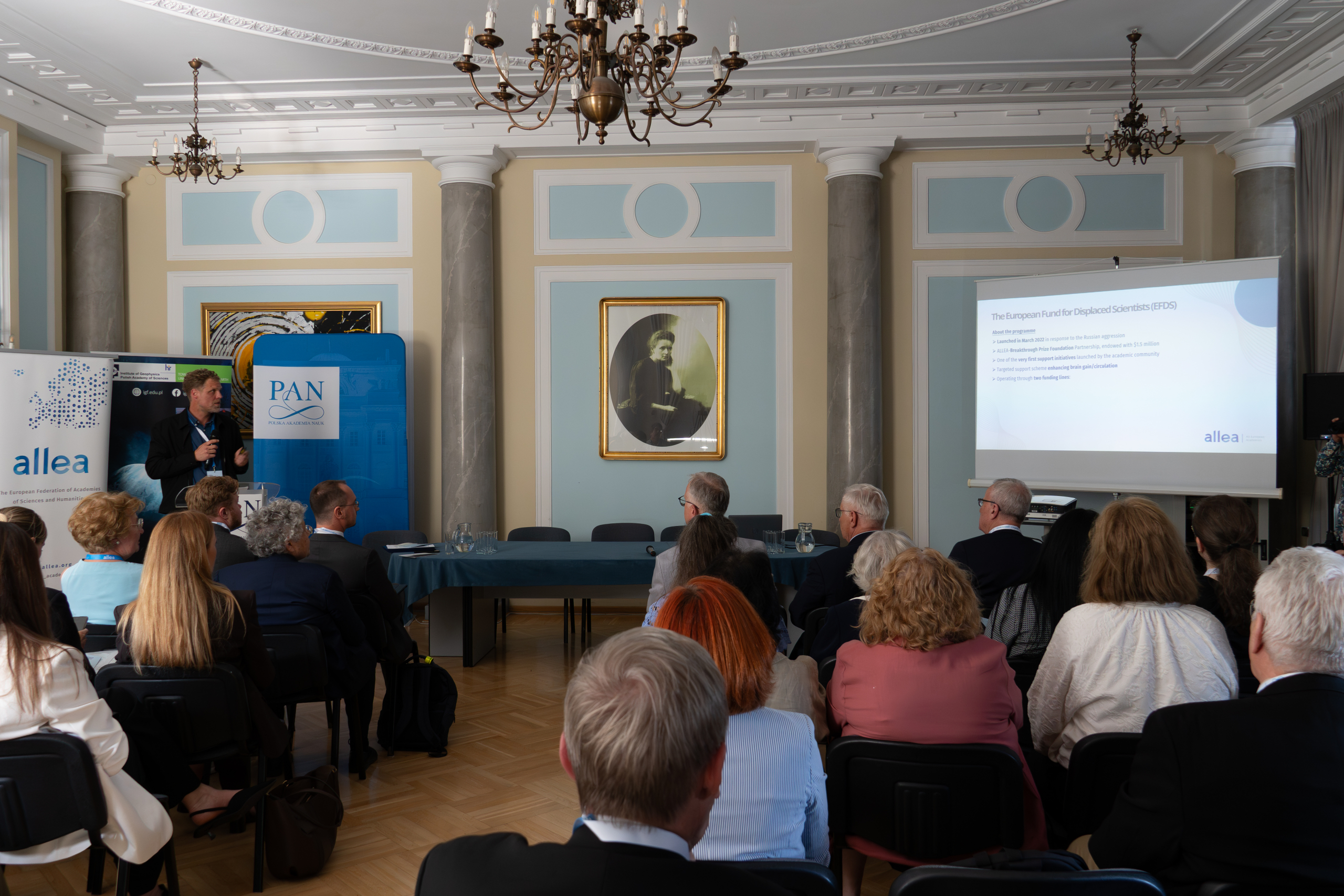
Particular attention was given to the European Fund for Displaced Scientists (EFDS), launched by ALLEA and the Breakthrough Prize Foundation in March 2022. Established as one of the earliest academic support initiatives following Russia’s full-scale invasion, the programme supported displaced Ukrainian researchers hosted across Europe and Ukrainian research institutions operating under wartime conditions. Since its launch, the programme has benefited approximately 140 scholars, contributed to more than 300 scientific publications, and facilitated extensive international collaboration.
Survey findings presented during the event demonstrated the programme’s enduring impact. Most respondents reported that EFDS support had been crucial for maintaining their research activities and accessing research infrastructure. The survey also revealed strong evidence of sustained collaboration between grantees, host institutions, and Ukrainian organisations, highlighting the programme’s success in fostering long-term international networks rather than encouraging permanent migration.
The experience of the EFDS programme demonstrates that targeted international support can strengthen “brain circulation”, enabling researchers to remain connected to both Ukrainian and European scientific communities while contributing to the development of both.
Current Needs and Future Priorities
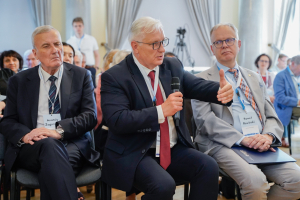 Discussions on the current needs of Ukrainian science identified several interconnected priorities. Participants repeatedly highlighted the importance of preserving human capital, particularly among early-career researchers, many of whom face uncertain career prospects due to the war. Strengthening opportunities for research collaboration, mobility, and professional development was seen as essential for retaining talent and supporting the next generation of Ukrainian scientists.
At the institutional level, speakers pointed to the urgent need for investment in research infrastructure, laboratory equipment, and access to international research facilities. The destruction and degradation of scientific infrastructure across Ukraine have created significant barriers to research activity, making coordinated international support indispensable.
The recovery of Ukraine’s research ecosystem will depend not only on rebuilding infrastructure, but on sustaining the people, institutions, and international partnerships that underpin scientific excellence.
Participants also emphasised that future support should increasingly target researchers and institutions working inside Ukraine. Proposed measures included joint international funding schemes, bilateral cooperation programmes, collaborative research centres, access to specialised facilities abroad, and mechanisms for donating scientific equipment to Ukrainian institutions.
Many of these recommendations were subsequently reflected in the Appeal of the ALLEA General Assembly in Support of Ukrainian Science, adopted by ALLEA Member Academy Delegates on 28 May 2026.
The Role of the Scientific Diaspora
A dedicated session explored the contribution of Ukrainian researchers working abroad to the future development of Ukrainian science. Speakers described the scientific diaspora as a vital resource for fostering international partnerships, transferring expertise, supporting access to funding opportunities, and strengthening links between Ukrainian institutions and global research networks.
The Ukrainian scientific diaspora should be understood not as a loss of talent, but as a strategic asset capable of accelerating international cooperation, knowledge exchange, and future recovery efforts.
To support these objectives, the event marked the official launch of the EFDS Alumni Network. Building on the relationships established through the fellowship programme, the network will create opportunities for community-building, networking, collaboration, and knowledge exchange among former grantees and partners. It is intended to serve as a long-term platform for mobilising expertise and maintaining meaningful engagement with Ukrainian science.
Conclusions
The event demonstrated a strong and enduring commitment among European academies, research organisations, and policymakers to support Ukrainian science. Participants agreed that science and innovation must be recognised as integral components of Ukraine’s recovery and future development.
A resilient, internationally connected, and well-supported research system is not a secondary element of Ukraine’s recovery – it is one of its preconditions.
The discussions and recommendations emerging from the event reaffirmed the importance of sustained international cooperation and provided a roadmap for strengthening the resilience, recovery, and global integration of Ukraine’s research ecosystem in the years ahead.