ALLEA and the Scientific Advice Mechanism Host Science Policy Events in Turin
On 11-12 June, the Accademia delle Scienze di Torino hosted ALLEA and the Scientific Advice Mechanism for two events discussing issues at the intersection of science and policy.
The Use of AI in Crises
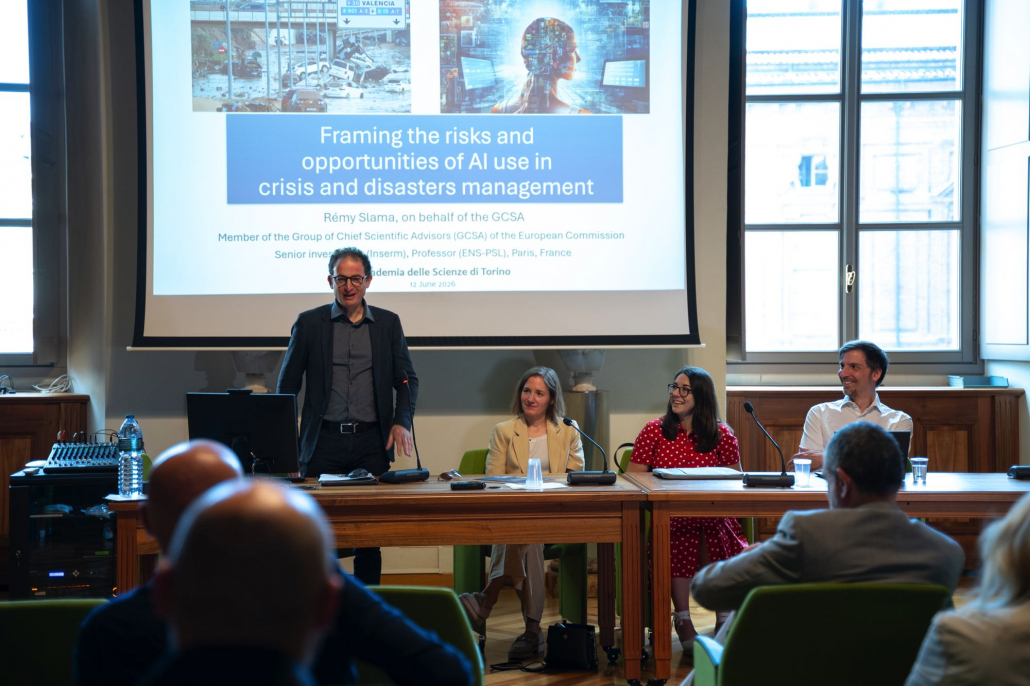
On 12 June, the Scientific Advice Mechanism (SAM) organised an event in Turin, Italy in collaboration with the Accademia delle Scienze di Torino and ALLEA, titled, “AI for Crises and Emergencies: Understanding and Communicating Disasters”, in an effort to disseminate the recently published Rapid Evidence Review Report on “Artificial Intelligence in Crisis and Emergency Management” and the statement of the Group of Chief Scientific Advisors. The event was moderated by Antonello Provenzale, a member of the ALLEA Task Force on Strengthening Trust in Science.
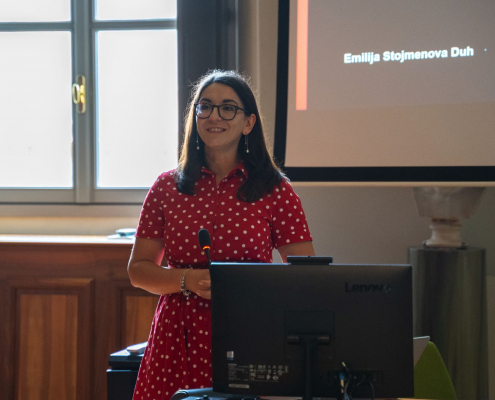
Emilija Stojmenova Duh, Chair of the ALLEA Task Force on Strengthening Trust in Science
Speakers, including Chair of the ALLEA Task Force on Strengthening Trust in Science, Emilija Stojmenova Duh, explored AI’s potential to improve hazard prediction and disaster analysis, as well as risks such as disinformation, bias, hallucinations in large language models (LLMs), and the lack of representation of marginalised populations. Discussions focused on the regulation of AI use during crises, accountability issues, the promise of agentic AI and chatbots for personalised emergency communication, mis-/disinformation dynamics, and the effective use of AI-based early-warning systems.
The event was well attended with national press and TV (TGR Leonardo del 12/06/2026 ore 14:50 | TGR Leonardo, Rubrica del TGR) present to report on it. You can read the latest SAM Advice on AI in crisis management here.
Strengthening Trust in Science
On 11 June, the ALLEA Task Force on Strengthening Trust in Science also met in Turin, bringing together members from across Europe to take stock of the Task Force’s progress and shape its future direction. Discussions focused on a range of issues at the heart of contemporary debates on trust in science, including research integrity, scholarly communication, AI, democracy, and the relationship between scientific institutions and society. Members explored how these themes intersect across the Task Force’s three working groups and discussed potential outputs for the coming year, including a symposium on science, democracy, and public trust planned in collaboration with the Royal Netherlands Academy of Arts and Sciences (KNAW). Throughout the engaging discussions, Task Force members emphasised the importance of combining conceptual reflection with practical relevance and of fostering dialogue across disciplines and sectors.
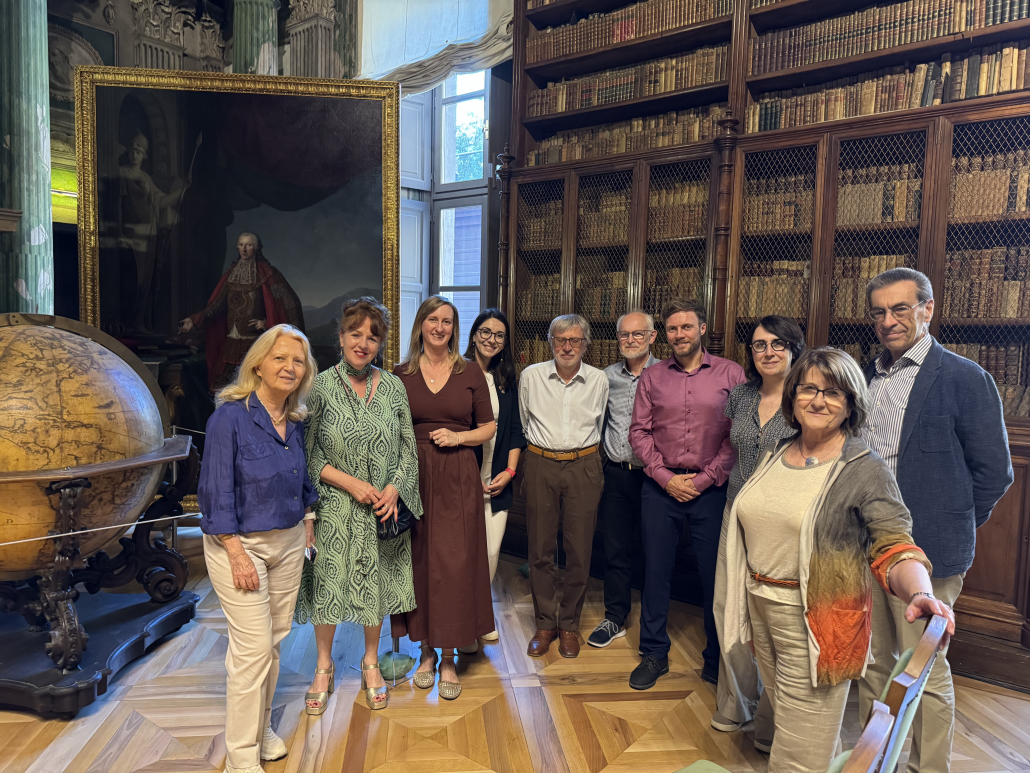
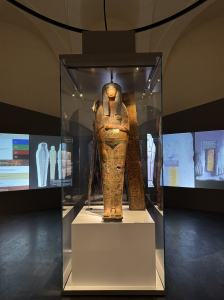 Following the meeting, participants were welcomed for an insightful guided visit to Turin’s renowned Museo Egizio, home to one of the world’s most important collections of ancient Egyptian artefacts outside Egypt. The visit offered a valuable opportunity for informal exchanges and further discussion among members in a unique cultural setting, before concluding the day with a group dinner in the historic centre of Turin.