Event Report: Shared Principles, Regional Realities – Advancing Research Assessment Reform in the Asia-Pacific
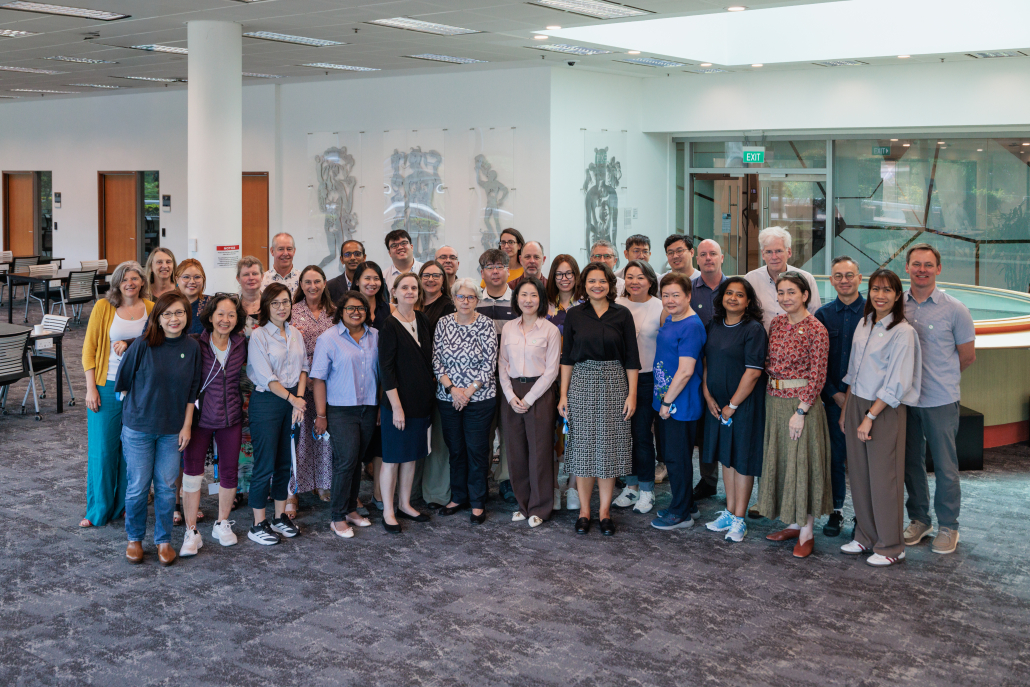
©ALLEA, Wan Zhong Hao
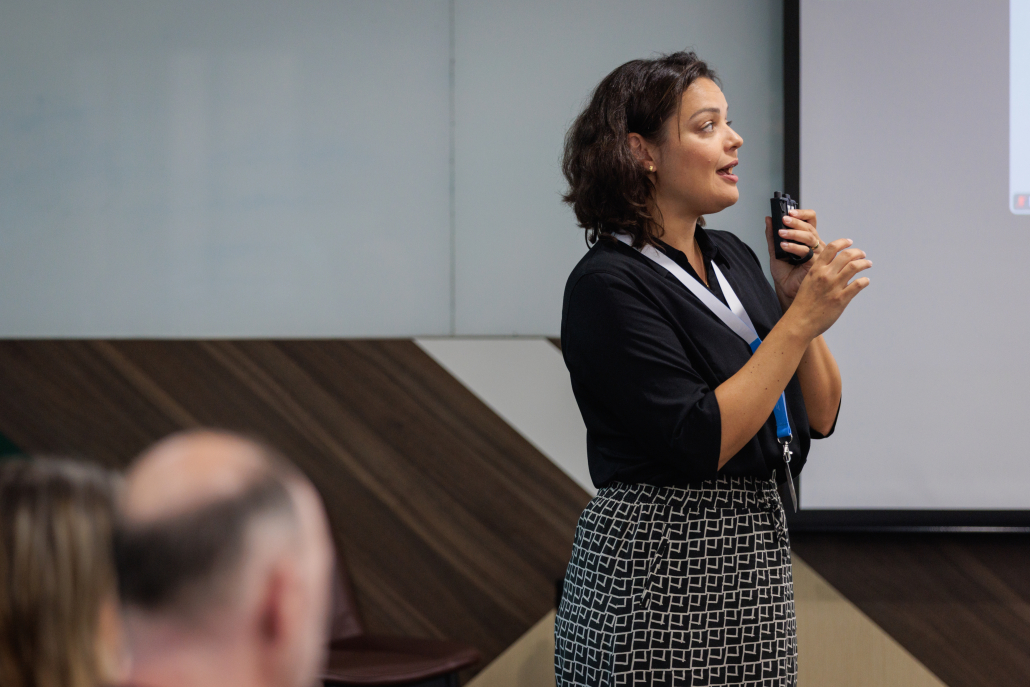
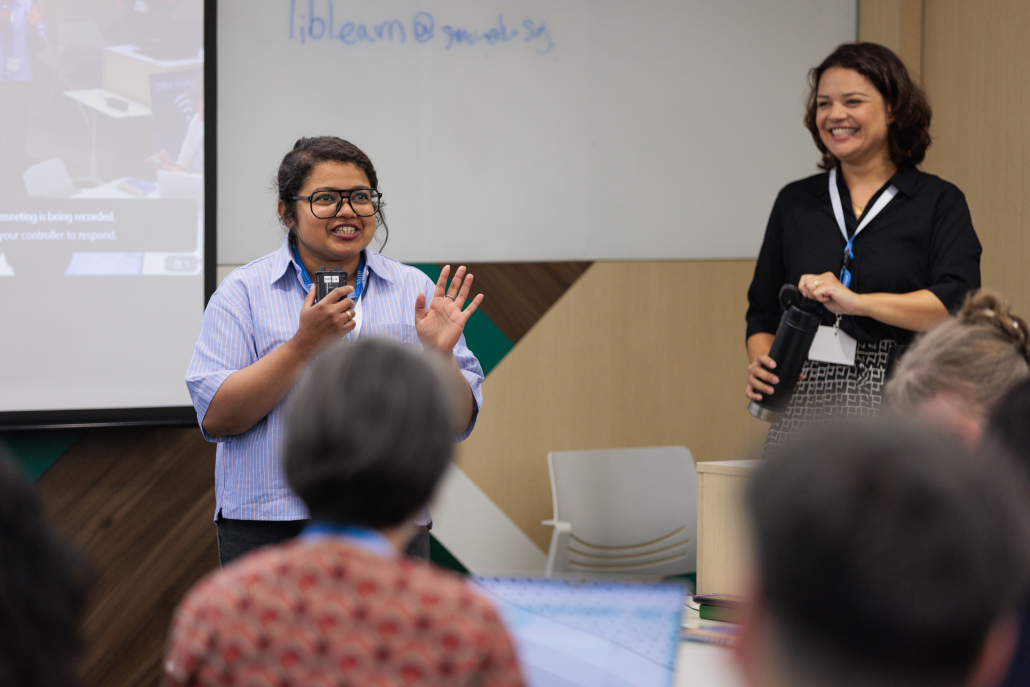
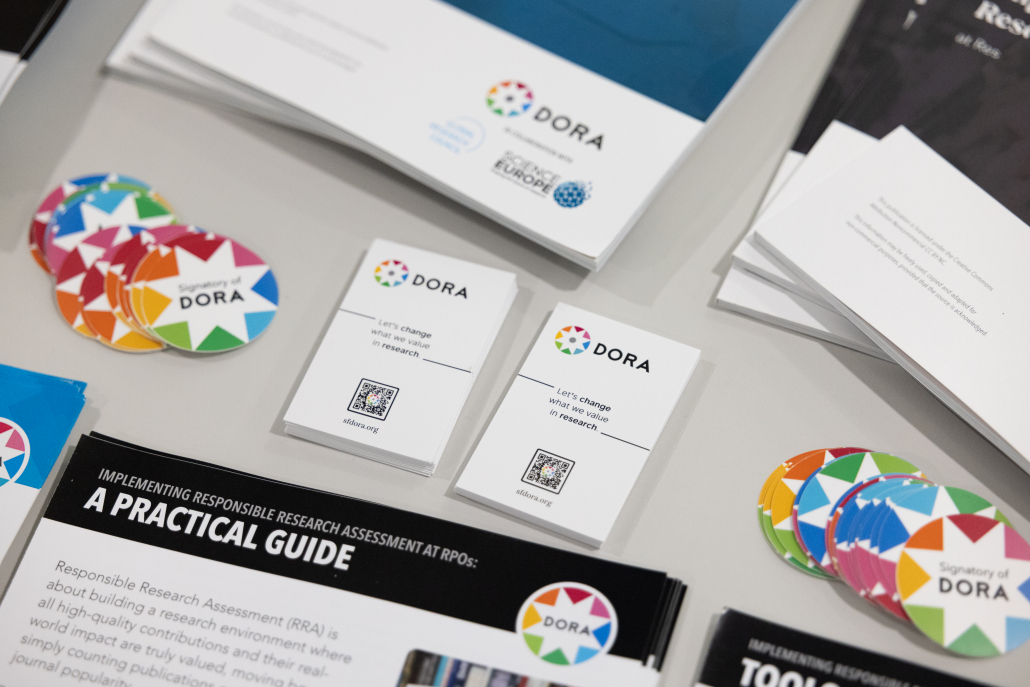
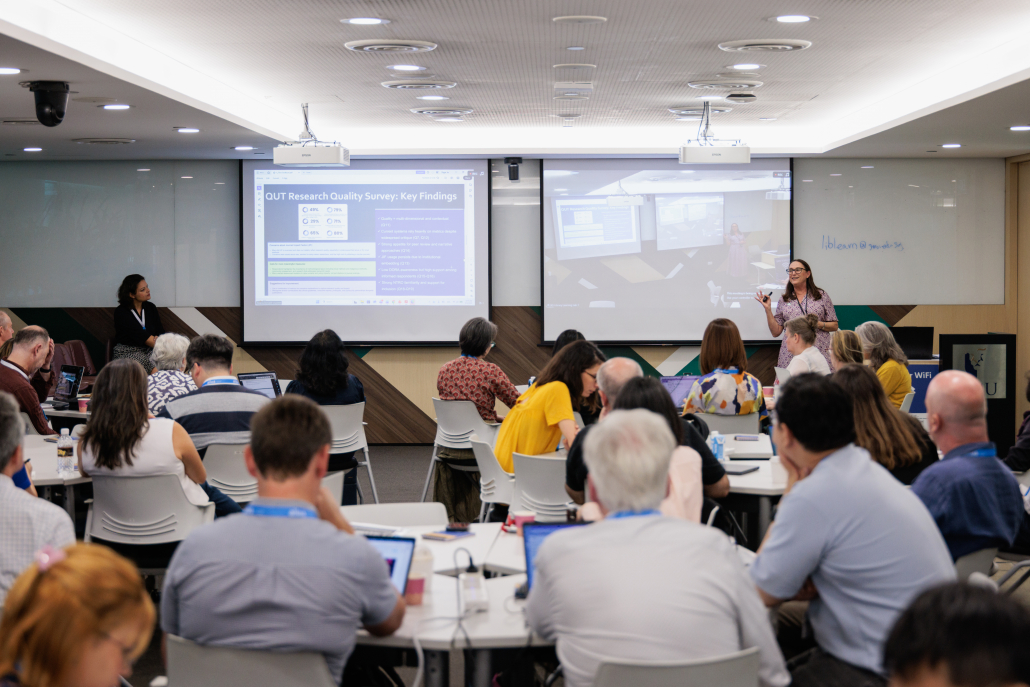
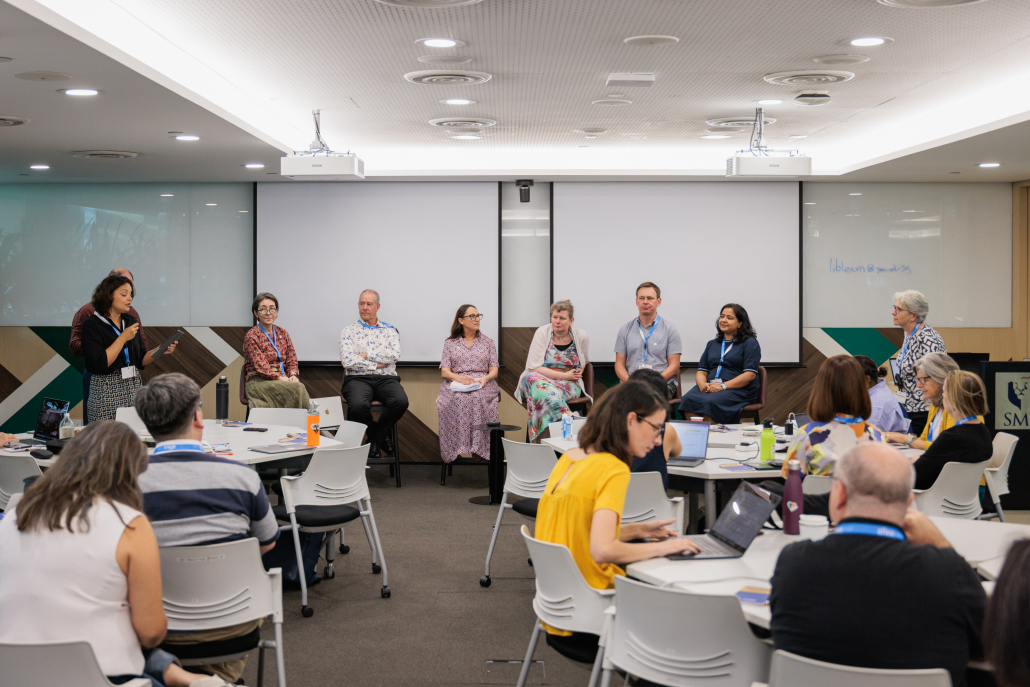
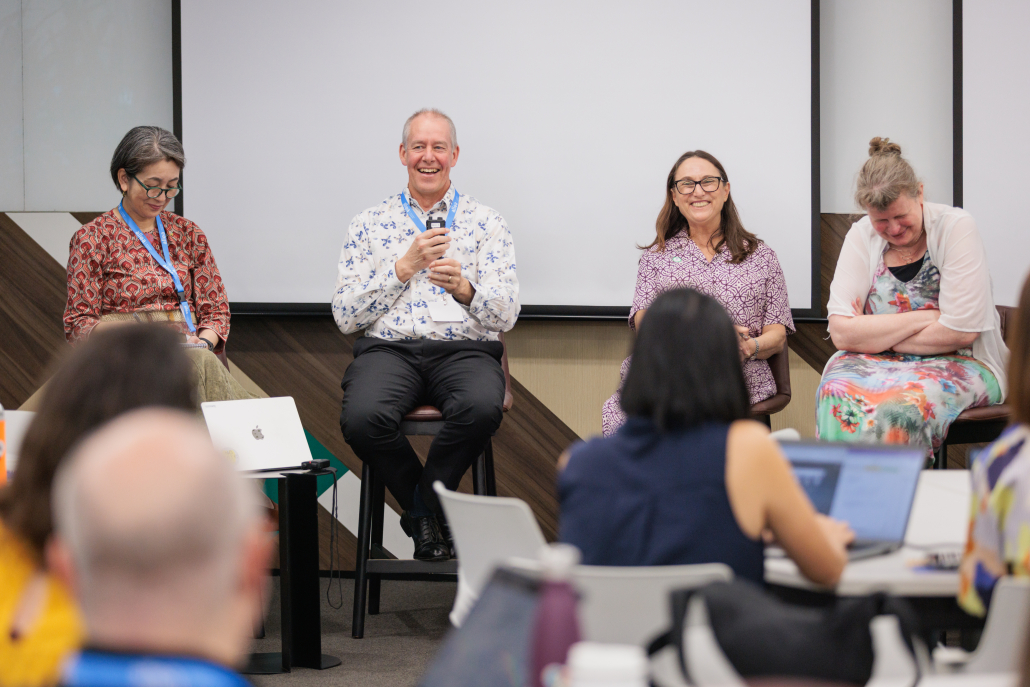
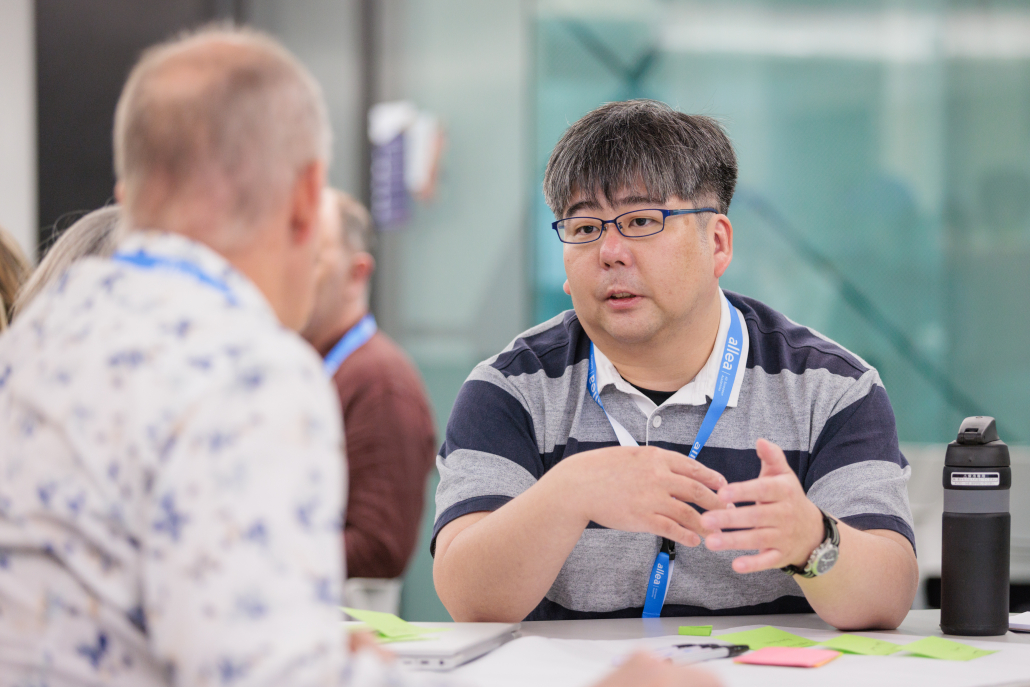
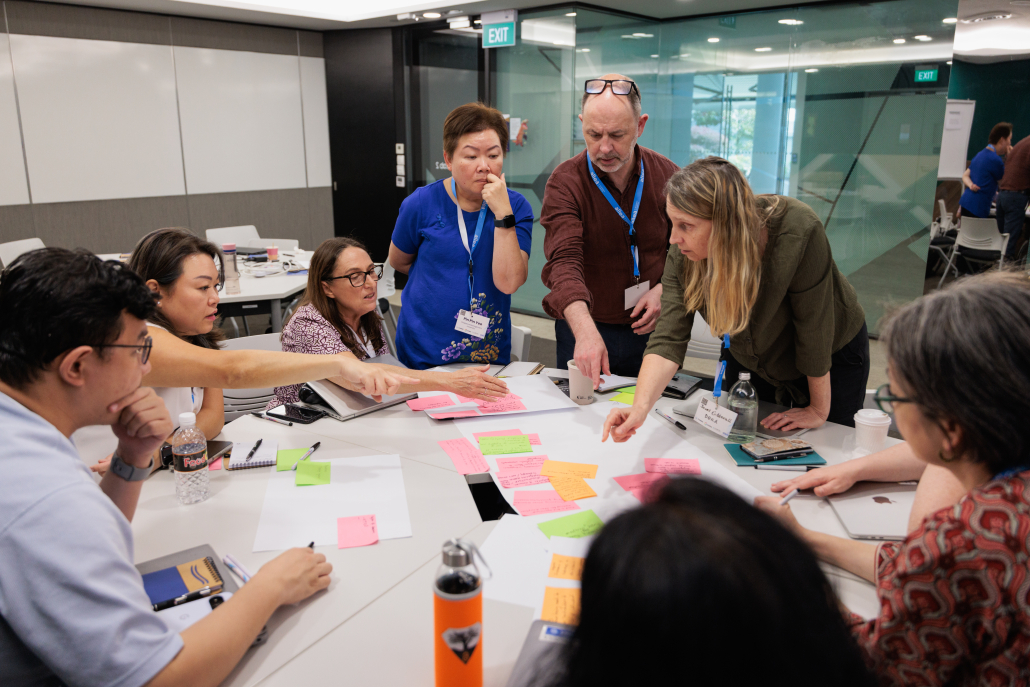
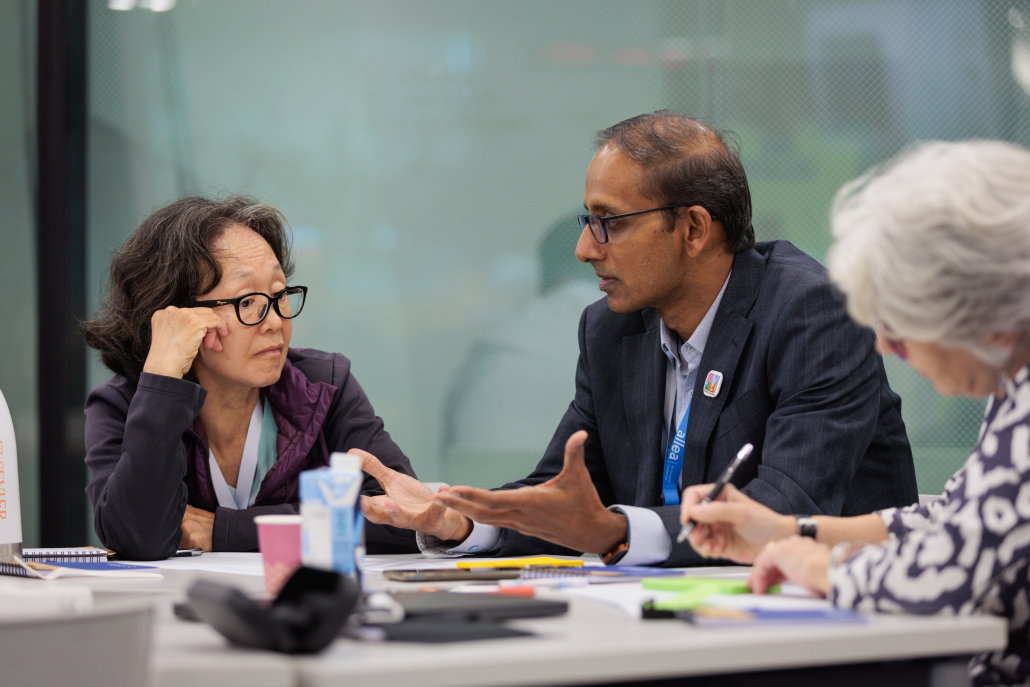
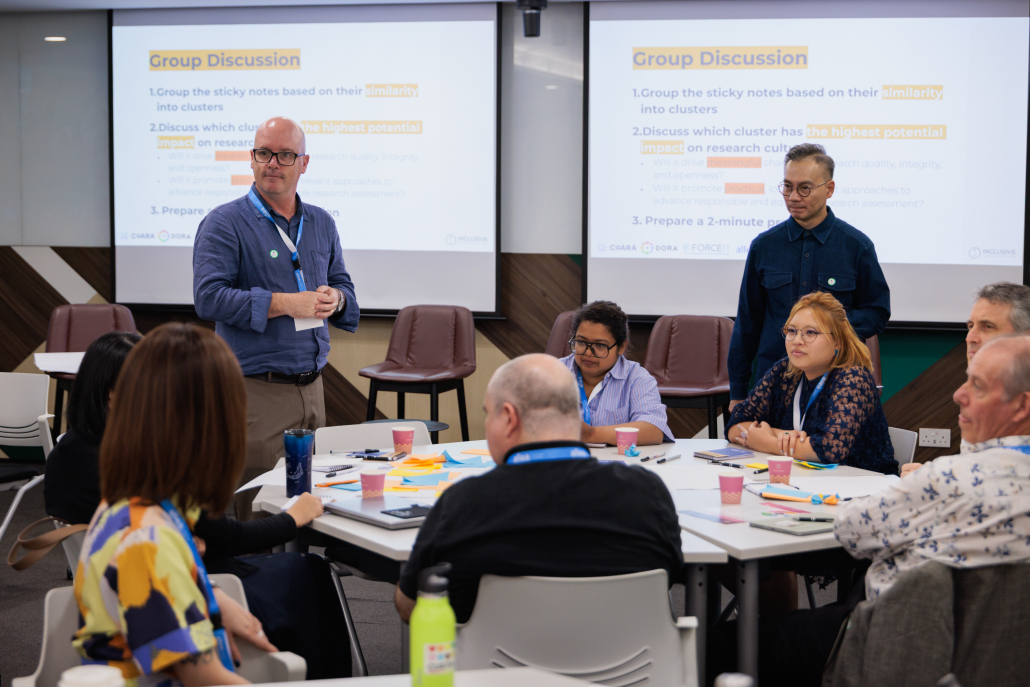
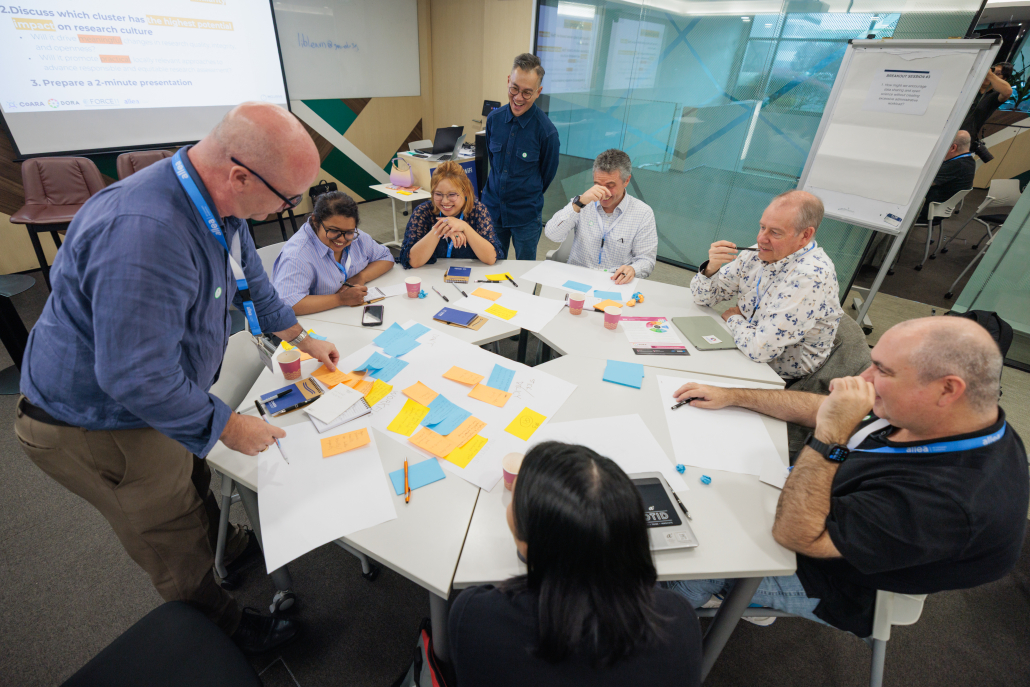
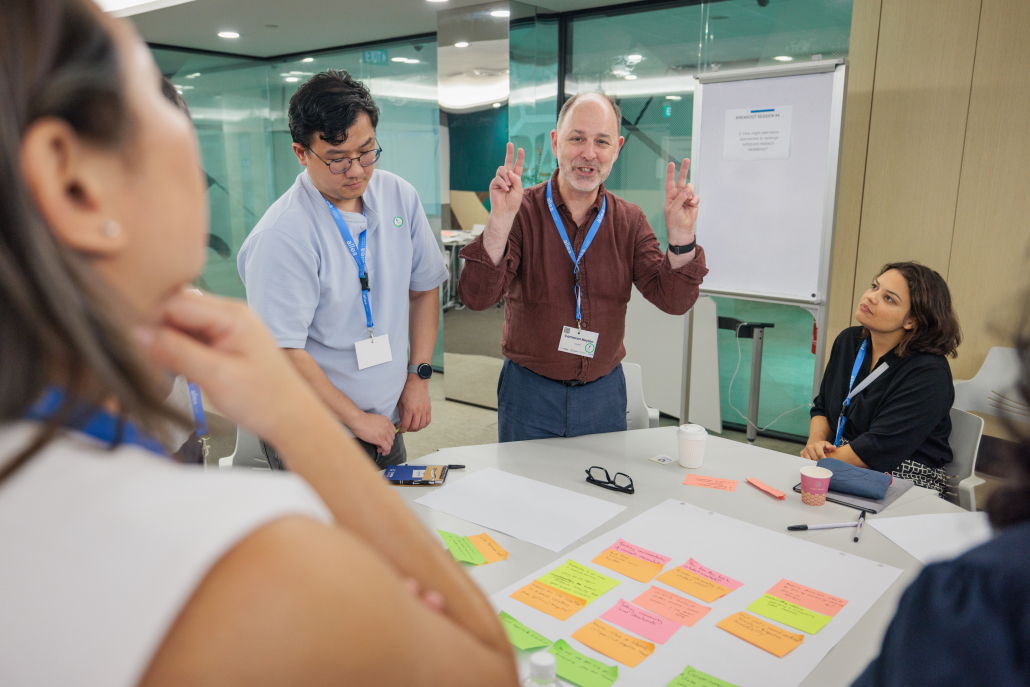
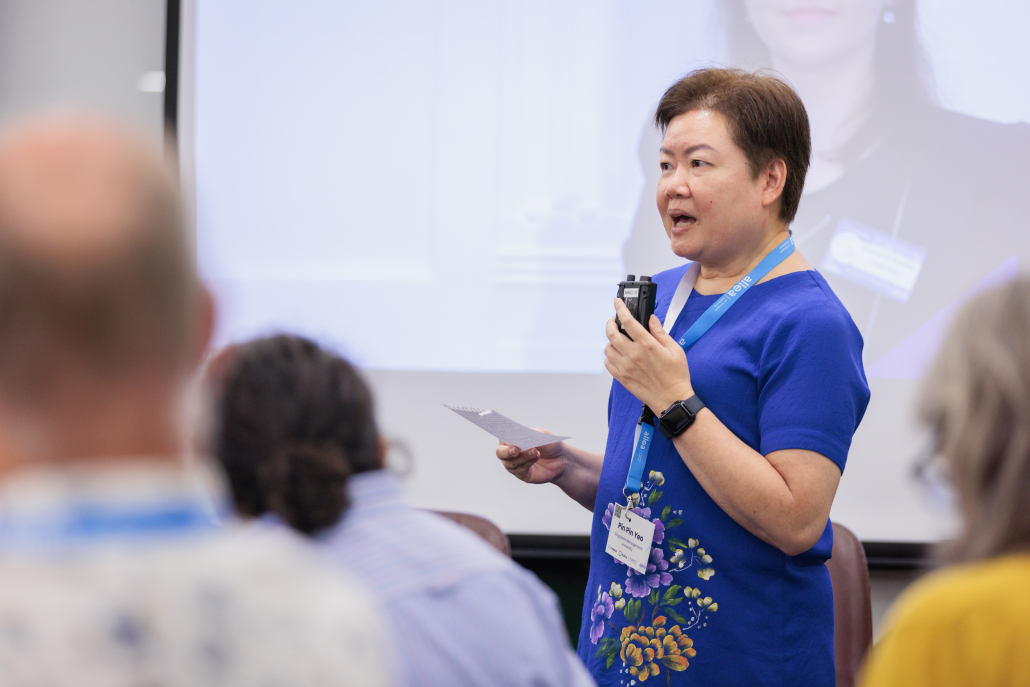
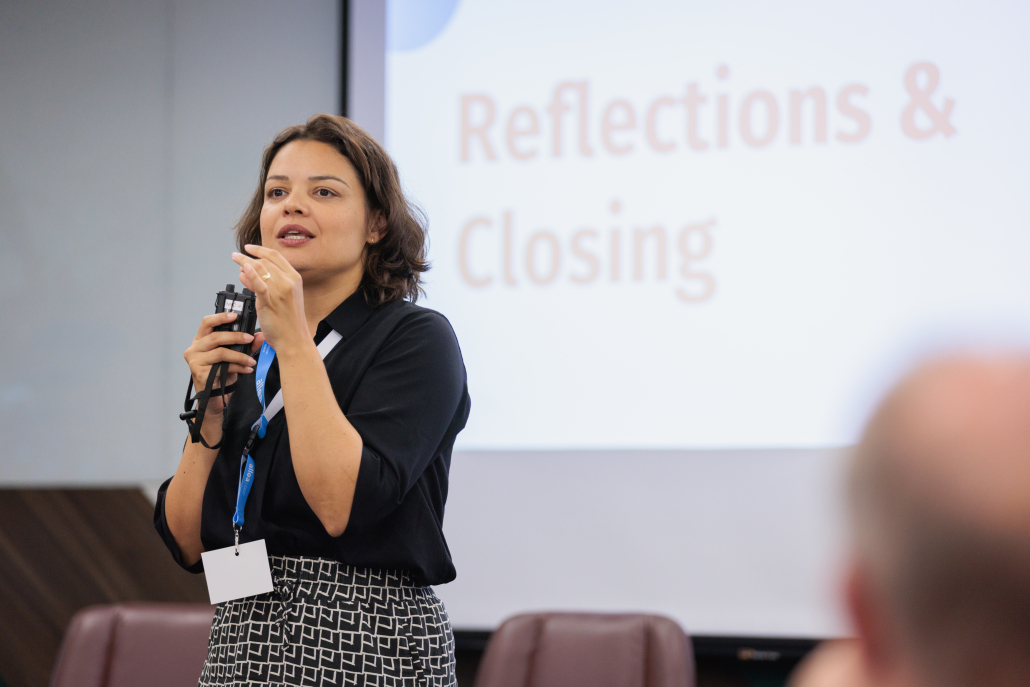
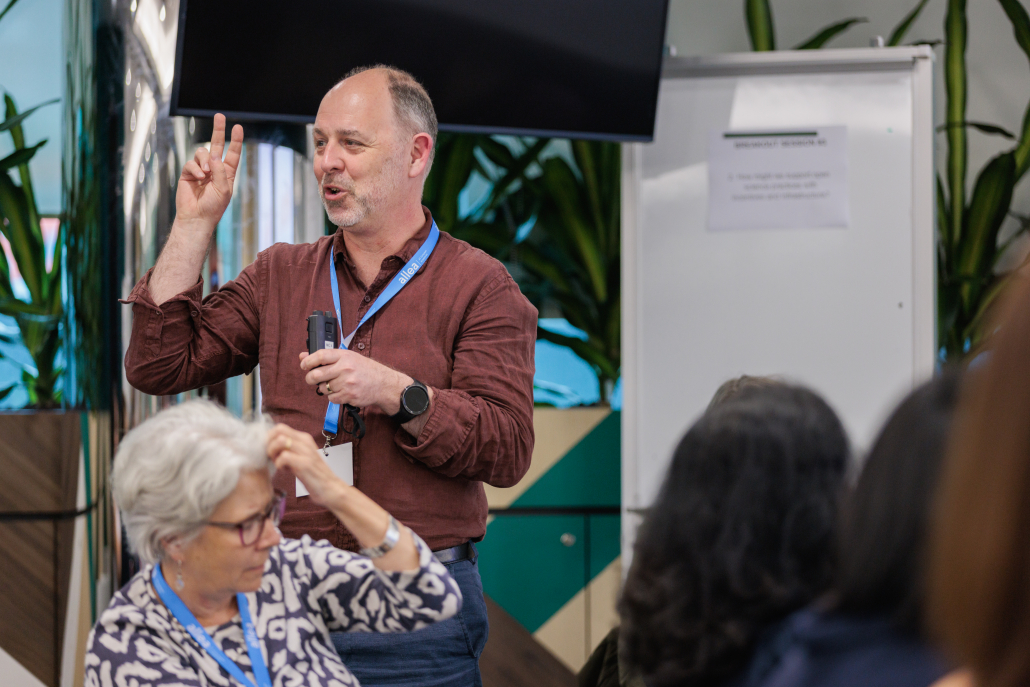
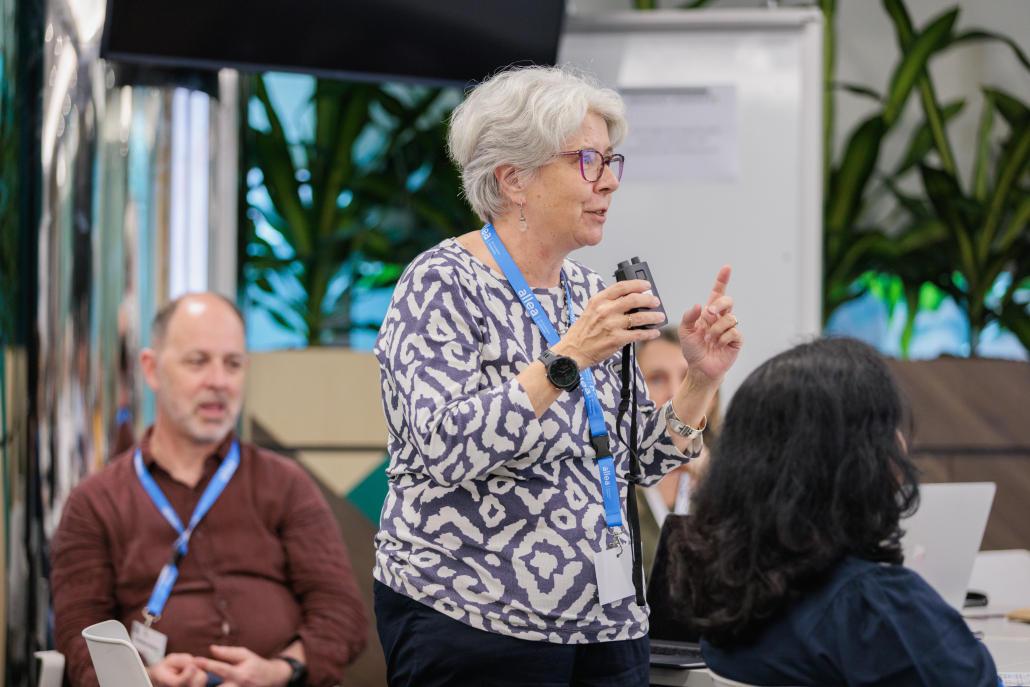
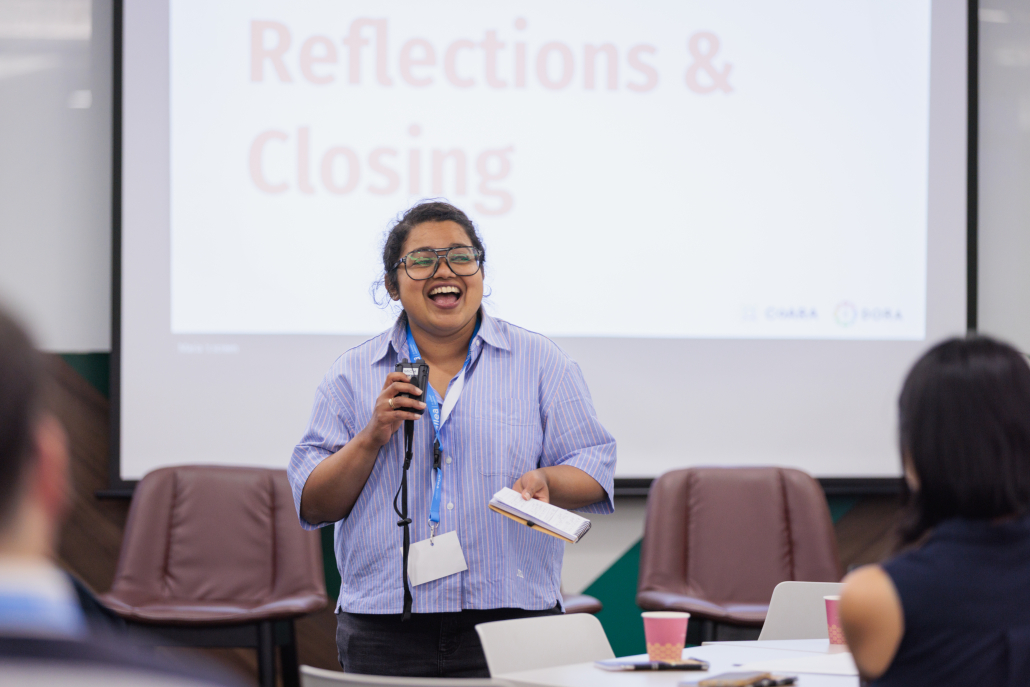
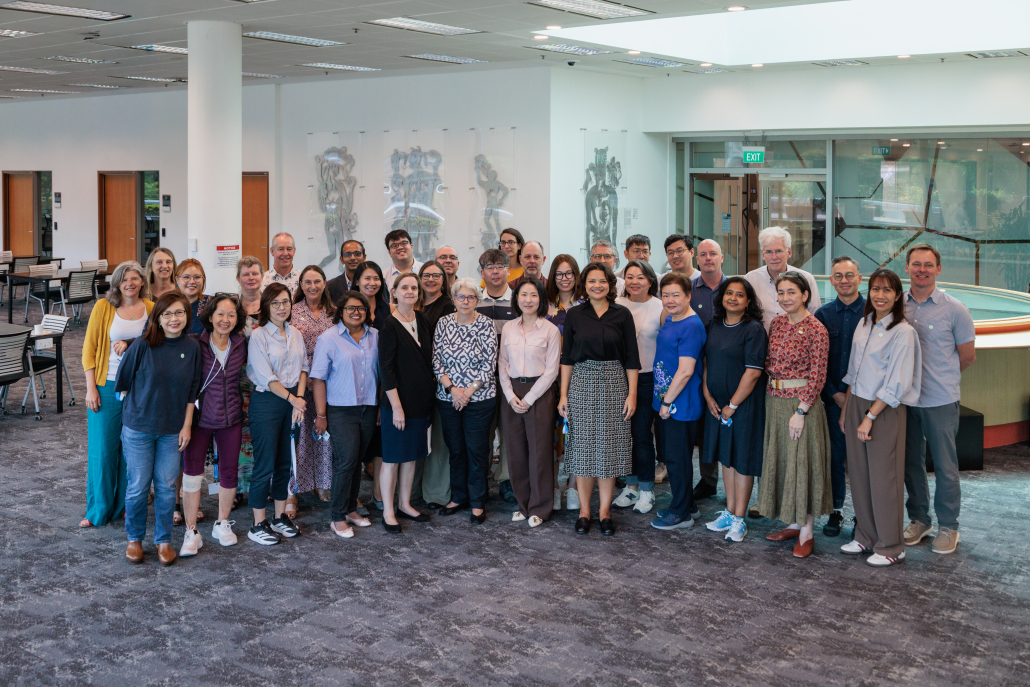
On 2 June, ALLEA, on behalf of the Coalition for Advancing Research Assessment (CoARA), together with the Declaration on Research Assessment (DORA) and FORCE 11, organised a joint workshop in Singapore, co-located with the FORCE2026 Conference, hosted by Singapore Management University (SMU).
“To Go Far, Go Together” – this was the guiding theme of the FORCE2026 conference, emphasising the critical importance of partnership and cooperation across disciplines, technologies, and geopolitical boundaries. As technological disruption reshapes research practices and global political shifts influence knowledge exchange, our collective wisdom becomes more essential than ever.
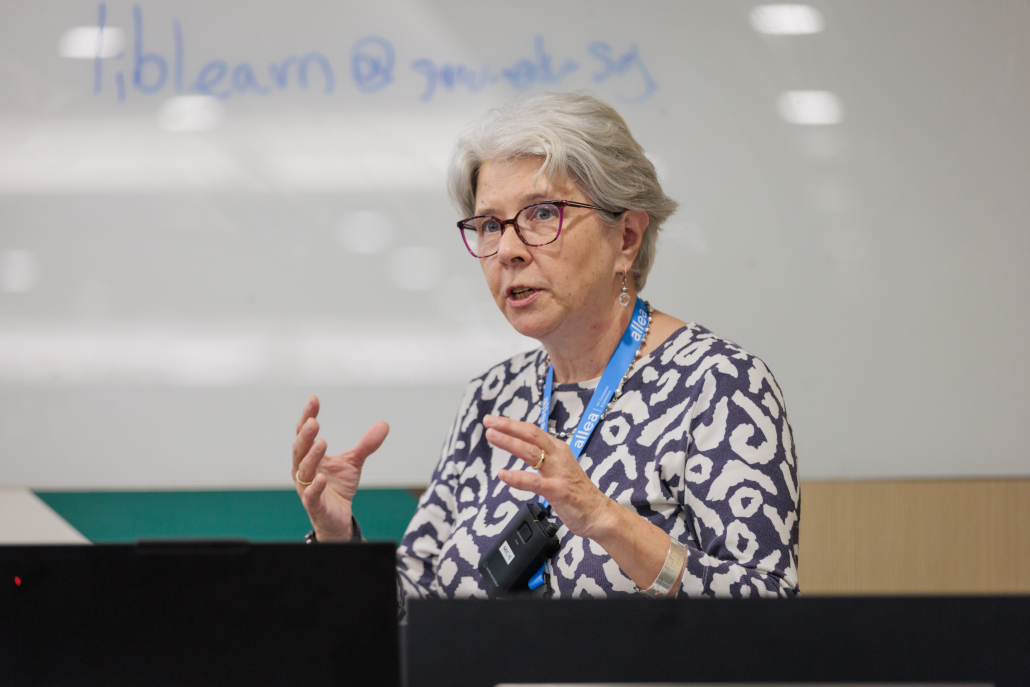
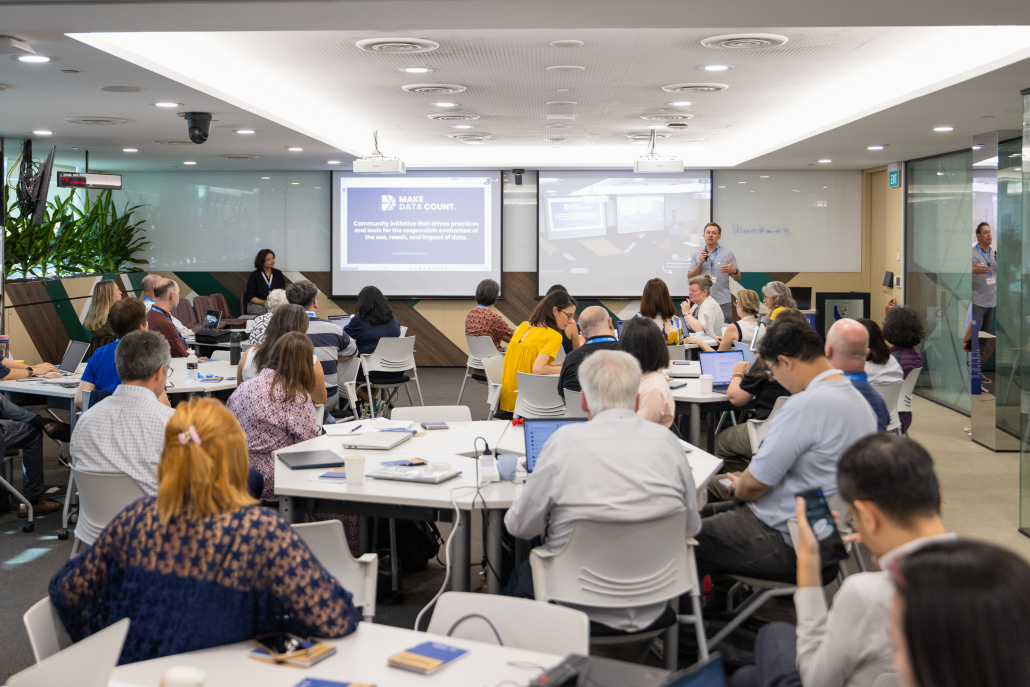
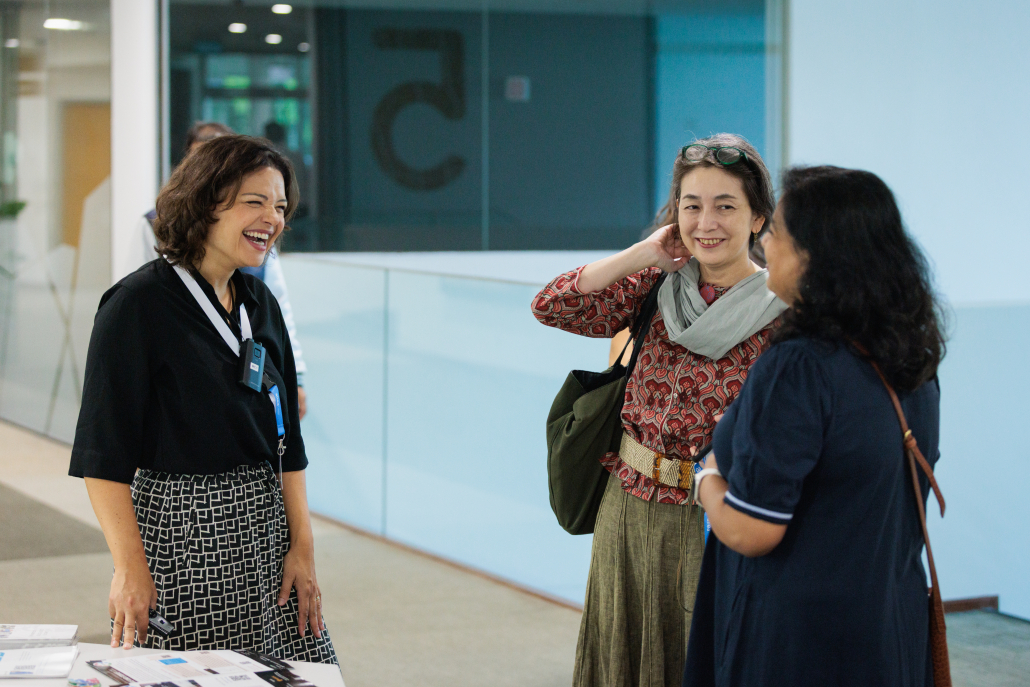
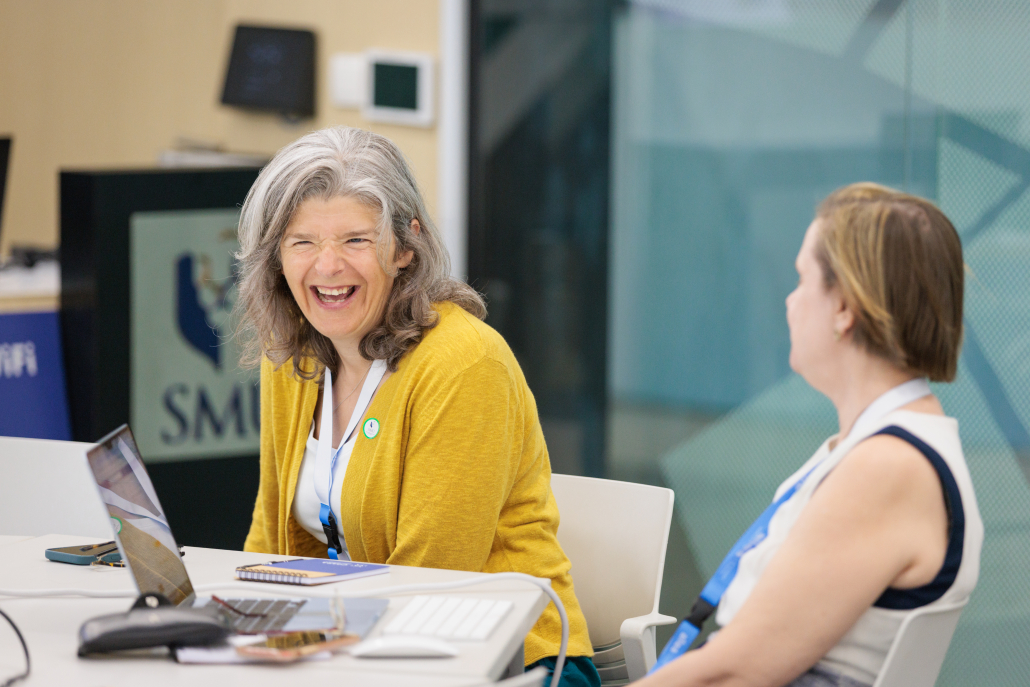
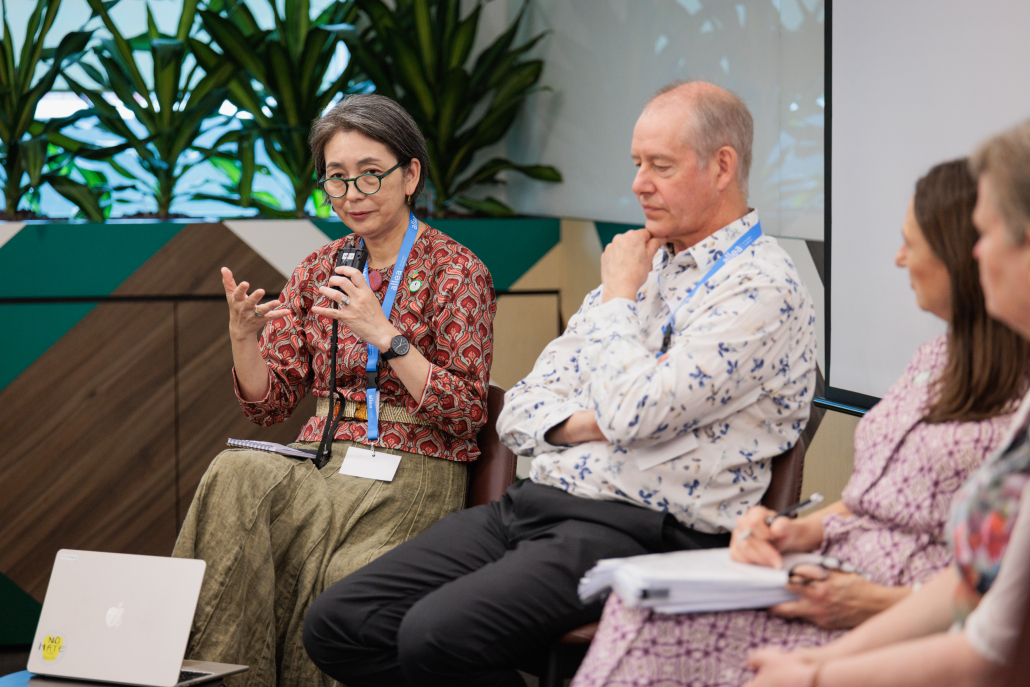
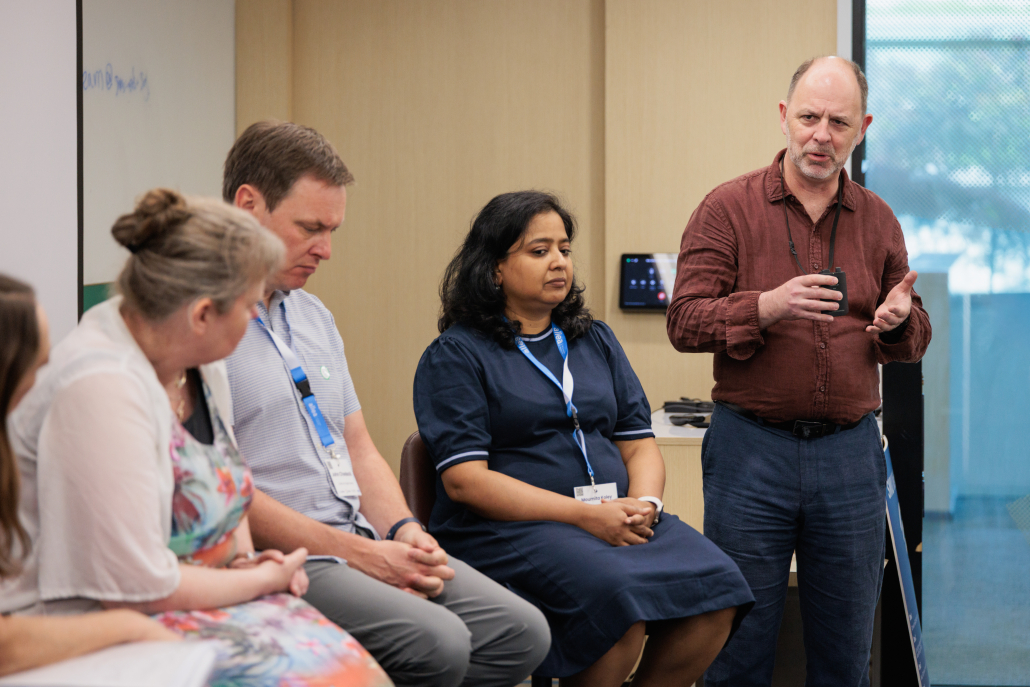
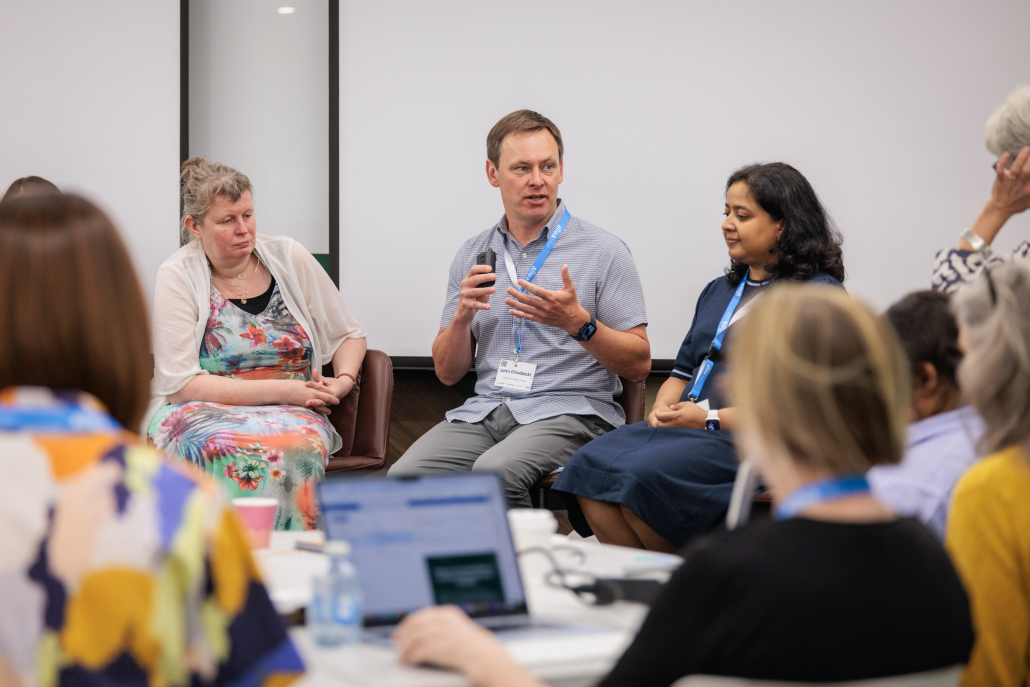
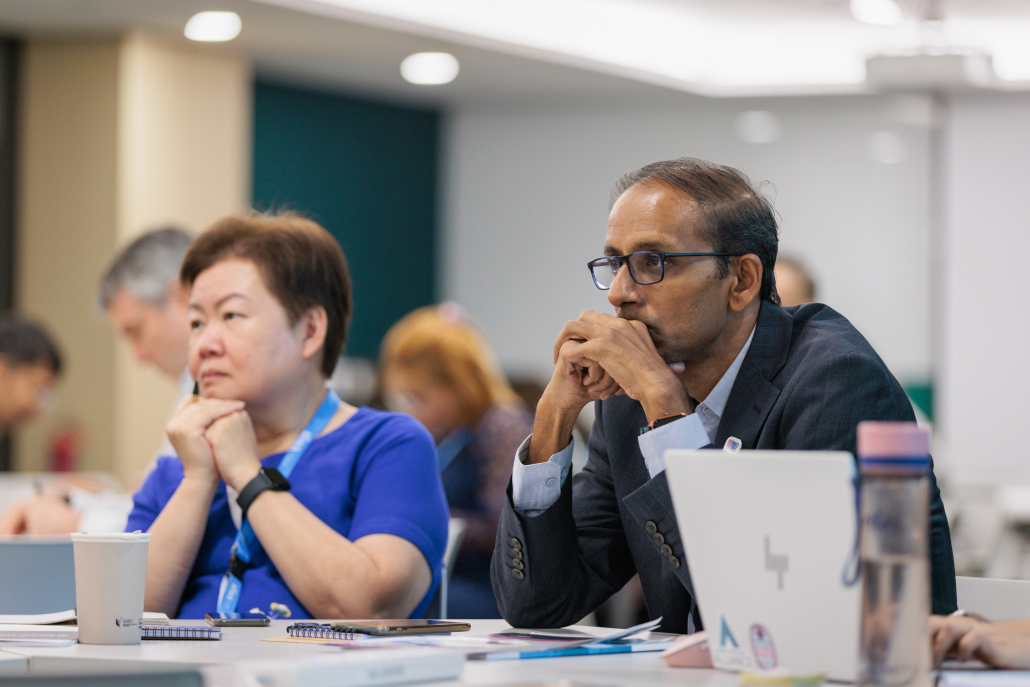
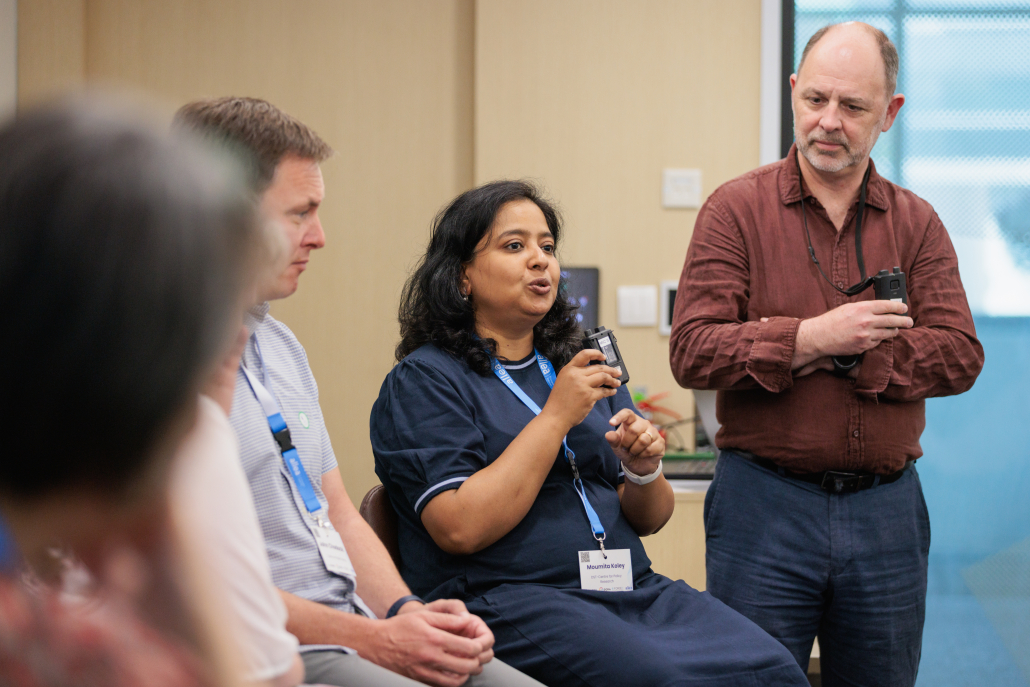
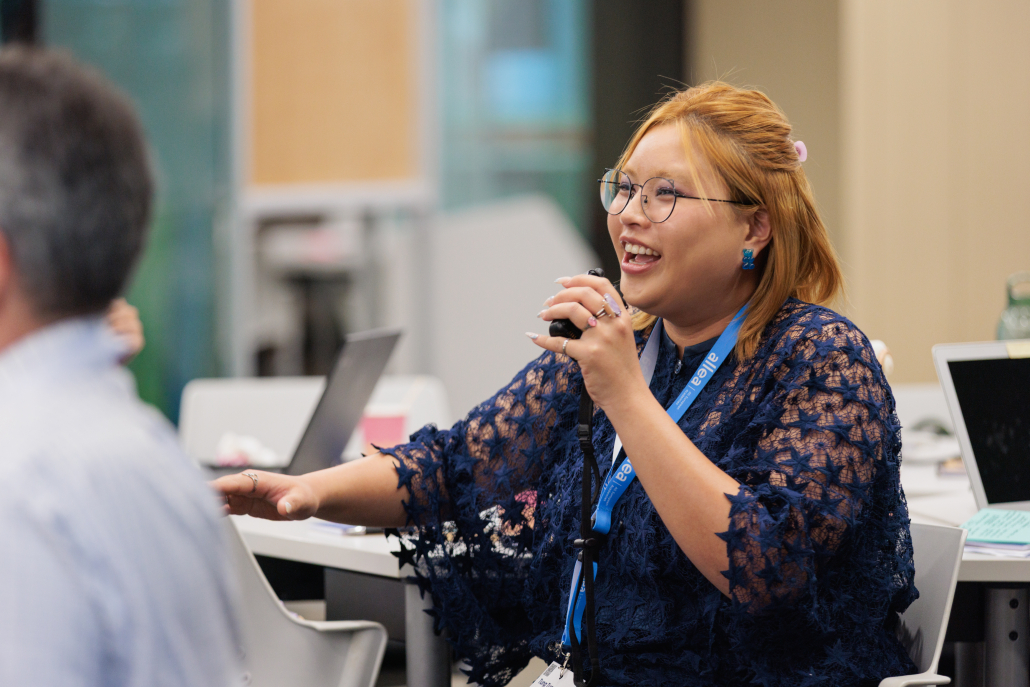
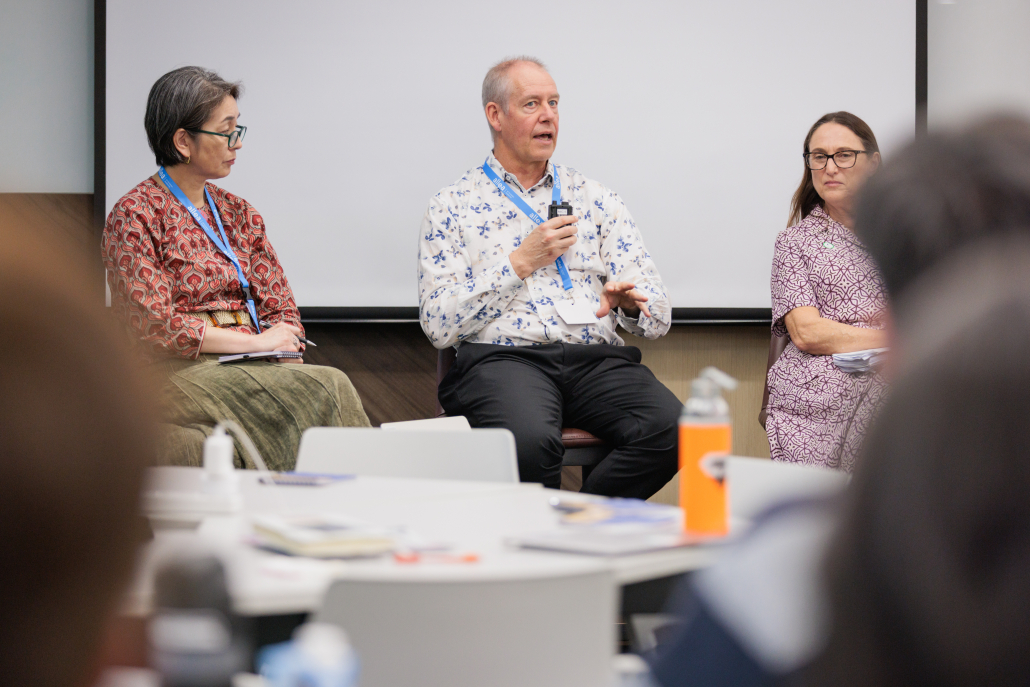
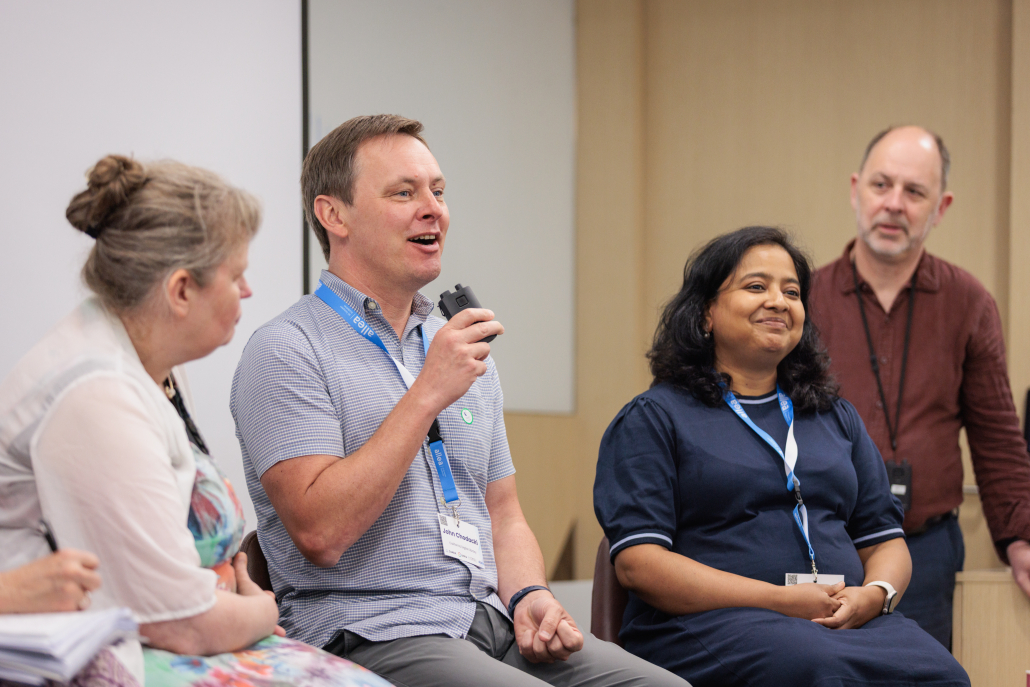
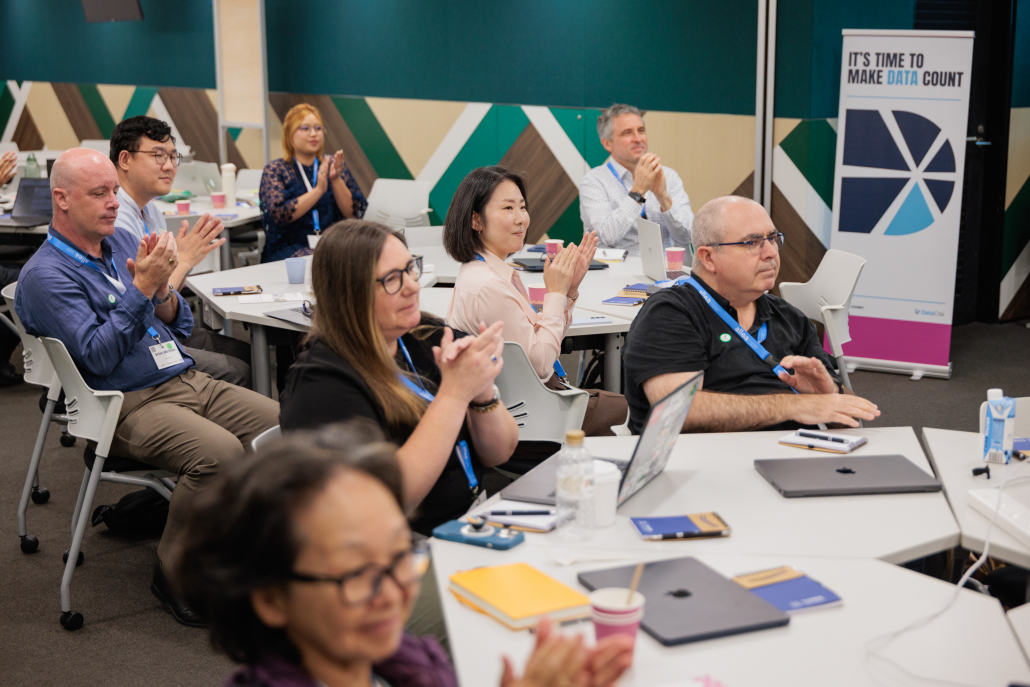
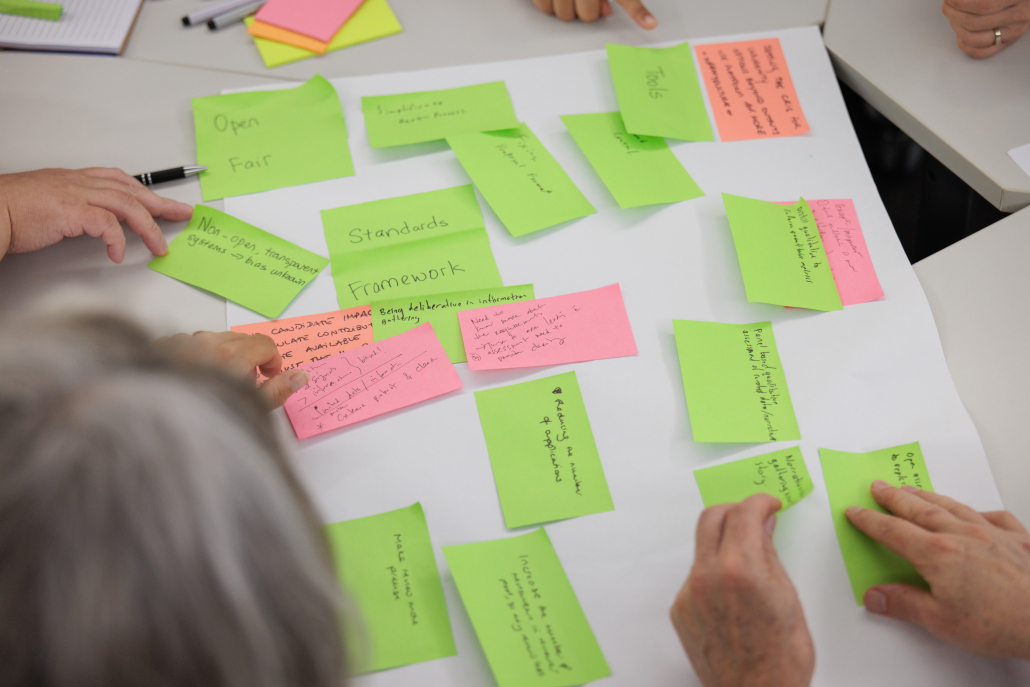
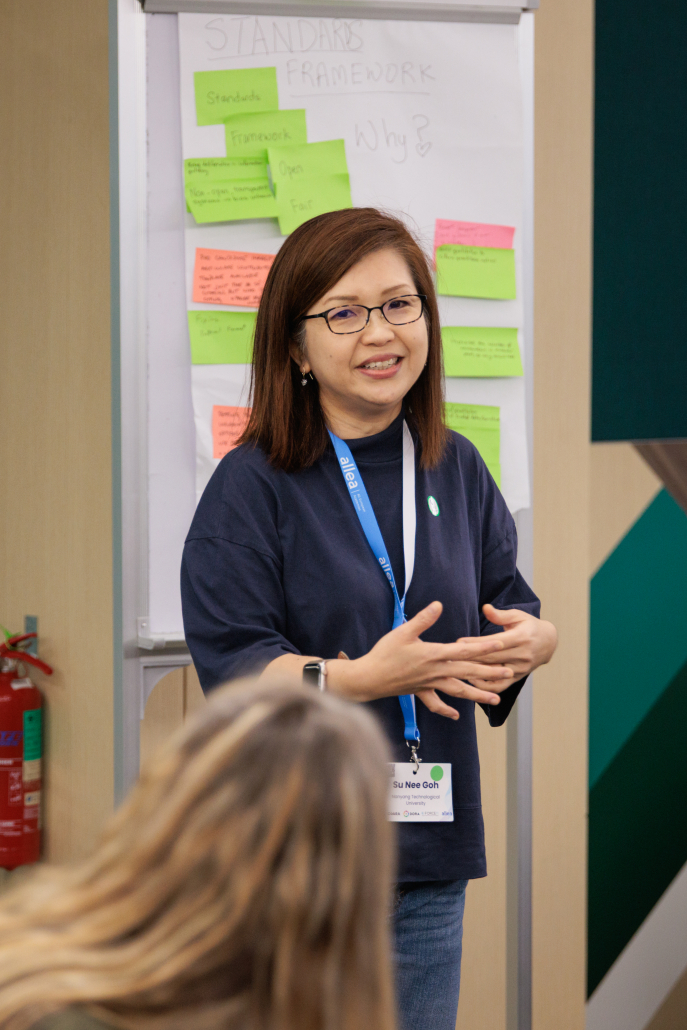
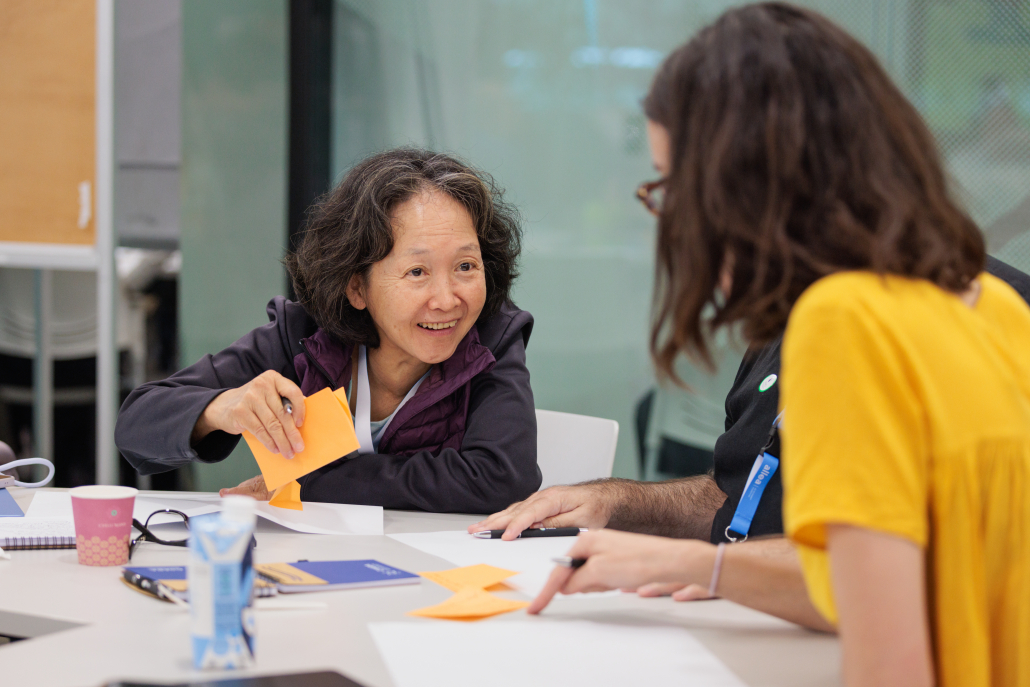
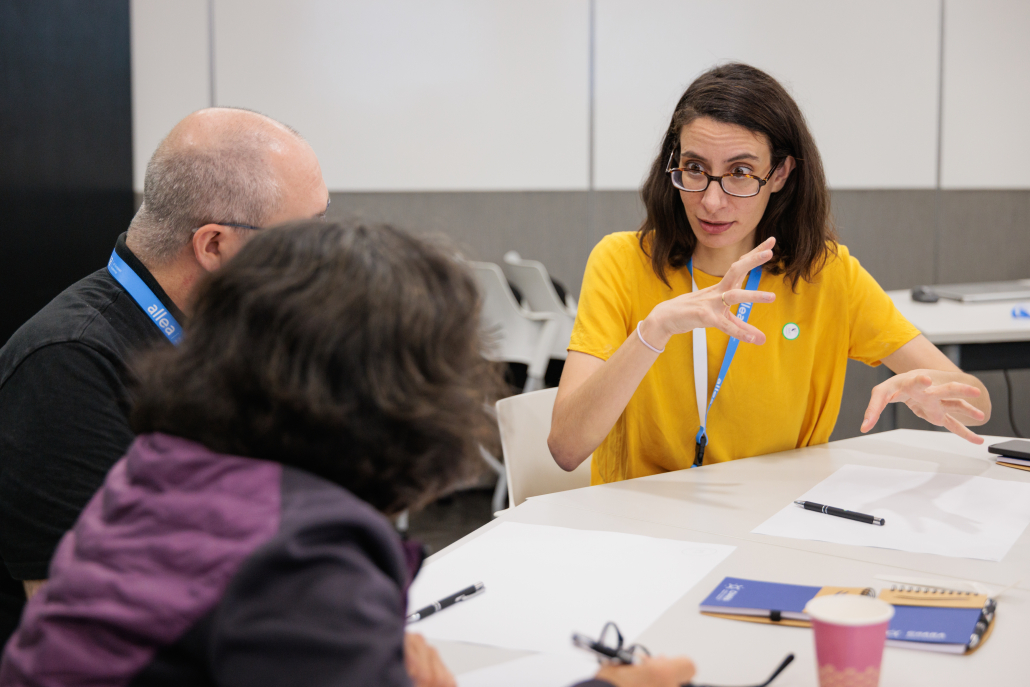
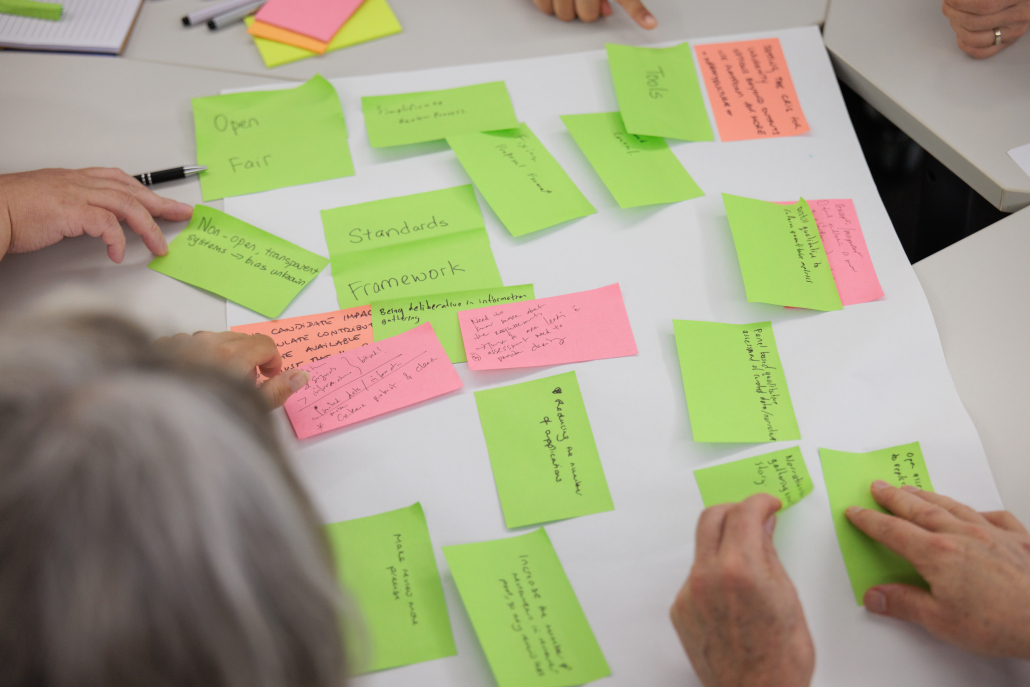
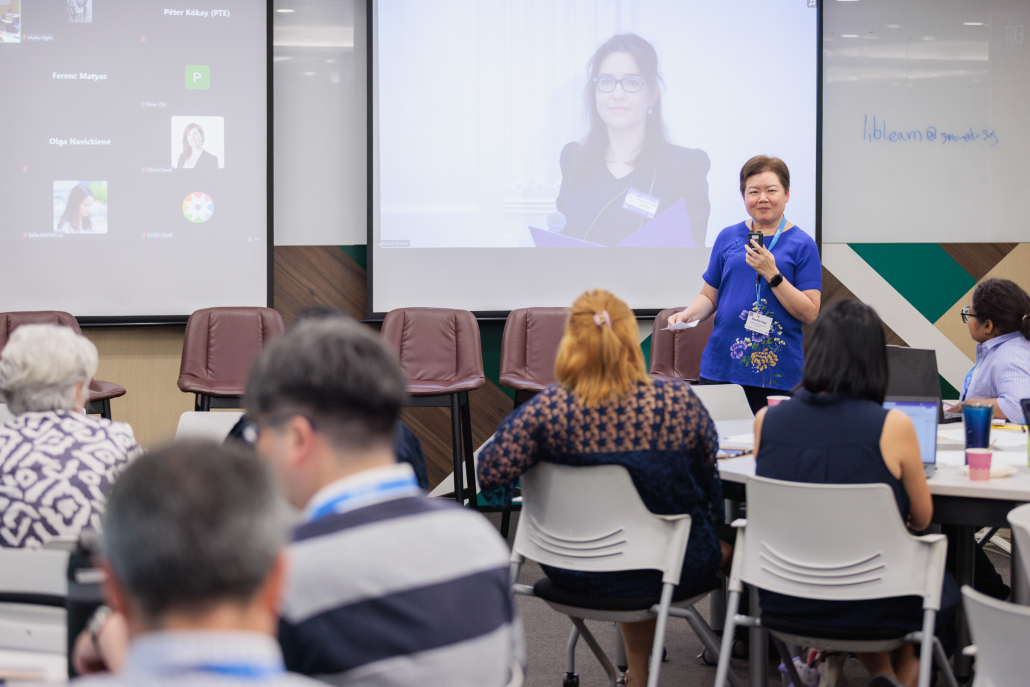
To embody this theme and harness this collective wisdom, ALLEA, CoARA, DORA, and FORCE11, co-hosted a full-day, invite-only workshop, titled, Shared Principles, Regional Realities: Advancing Research Assessment Reform in the Asia-Pacific, which convened over 30 researchers, publishers, funders, and policymakers to take stock of the current landscape of research assessment reform and discuss pathways to more efficient, equitable, and impactful evaluation systems. By fostering dialogue across sectors and geographies, the event demonstrated how to go far in reform, together, while respecting regional differences. Key insights from the day are highlighted below.
Global Movements, Shared Principles
The day began by bringing together the leaders of major global reform initiatives: CoARA, DORA, Make Data Count, the Barcelona Declaration on Open Research Information, and the Latin American Forum on Research Assessment (FOLEC-CLACSO). While these movements operate on a global scale, speakers repeatedly highlighted the need for contextual, localised implementation.
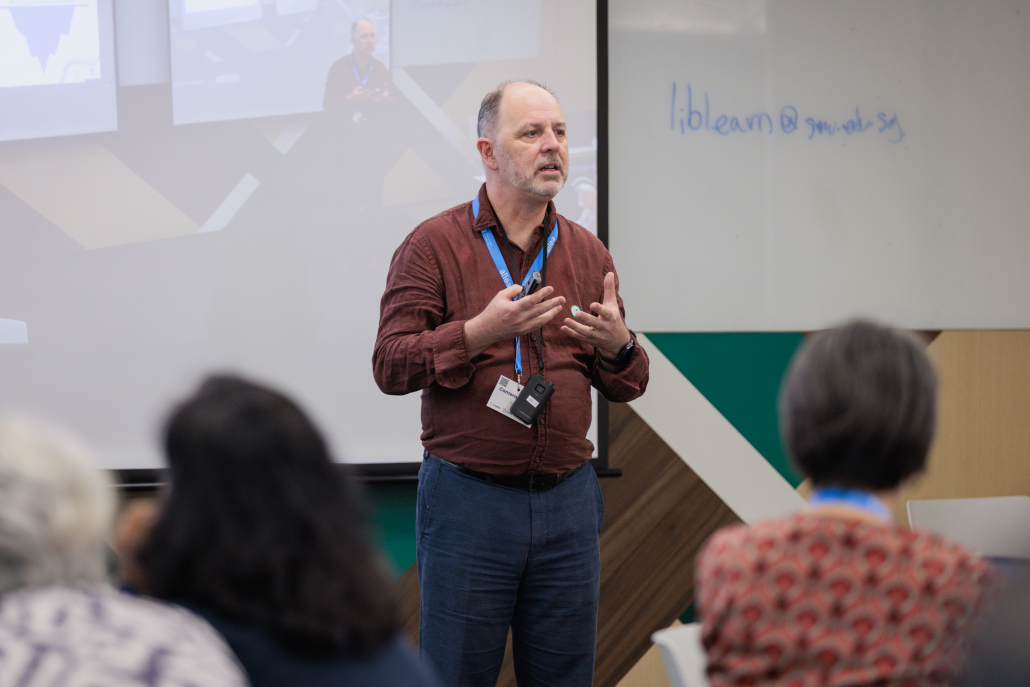
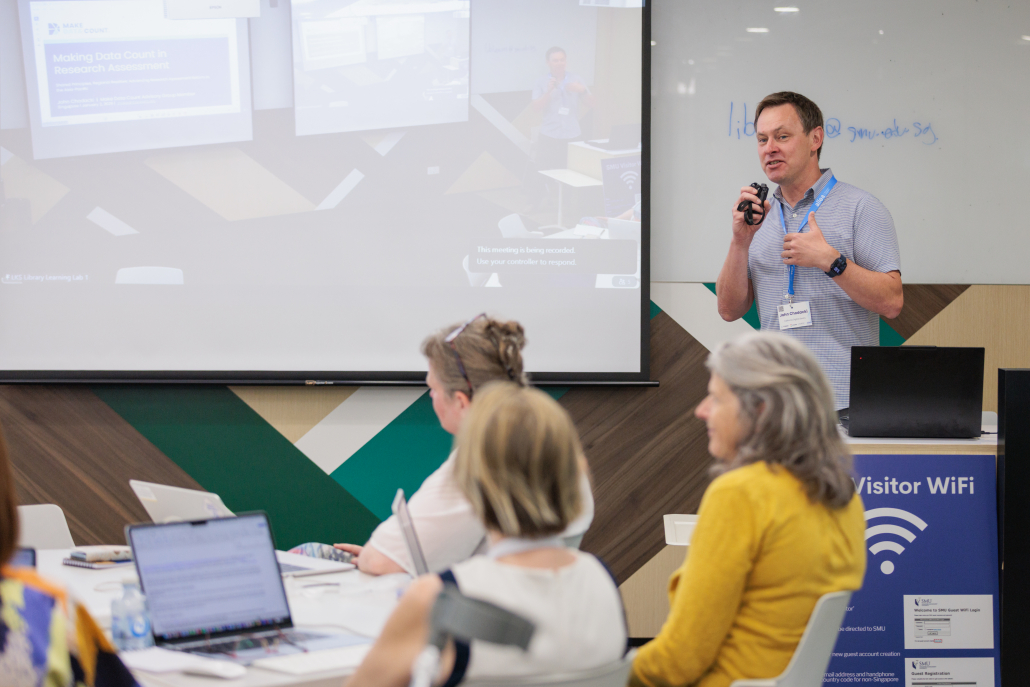
Cameron Neylon (CoARA Steering Board) set the stage by asking a fundamental question: “Why do we do research?” He reminded the room that while motivations differ globally, we share an interest in doing things better.
“The goal of research evaluation reform is to make that process better, to deliver better opportunities for society. We’re all here with a focus on what it is we can do to support organisations to make change in the context they’re operating in.”
– Cameron Neylon, CoARA
Ginny Barbour (Co-Chair, DORA) expanded on the need for practical reform by highlighting how the misuse of quantitative metrics frequently occurs at critical career junctures, such as hiring, promotion, and funding decisions, and disproportionately disadvantages early-career researchers and scholars from marginalised groups.
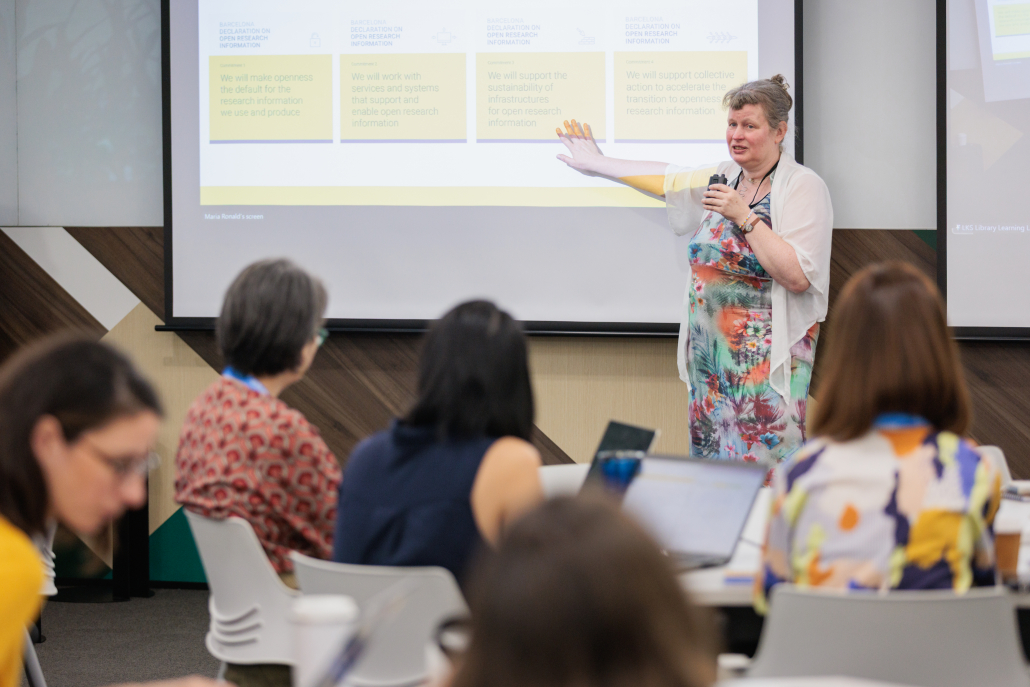
Bianca Kramer (Executive Director, Barcelona Declaration) noted that equitable decision-making requires inclusive data, emphasising that relying on closed, proprietary databases creates systemic biases. She highlighted that reforming research assessment is not something individual organisations should figure out alone.
“Collective action is essential to make sure that we don’t impose a European or North American perspective, but we really take into account the perspectives of other regions of the world.”
– Bianca Kramer, Barcelona Declaration
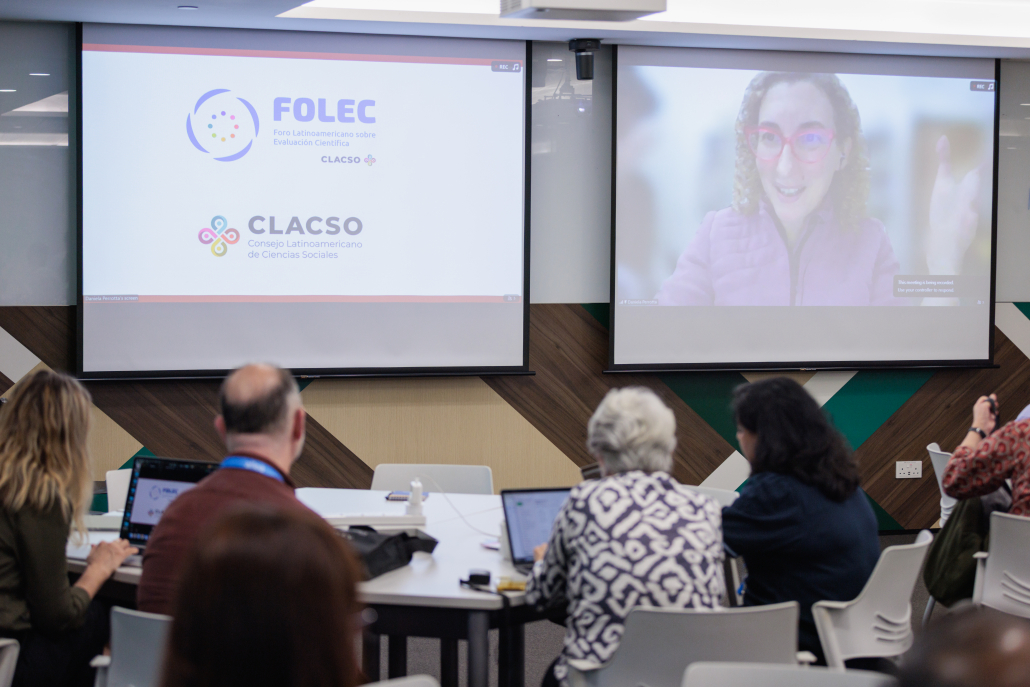
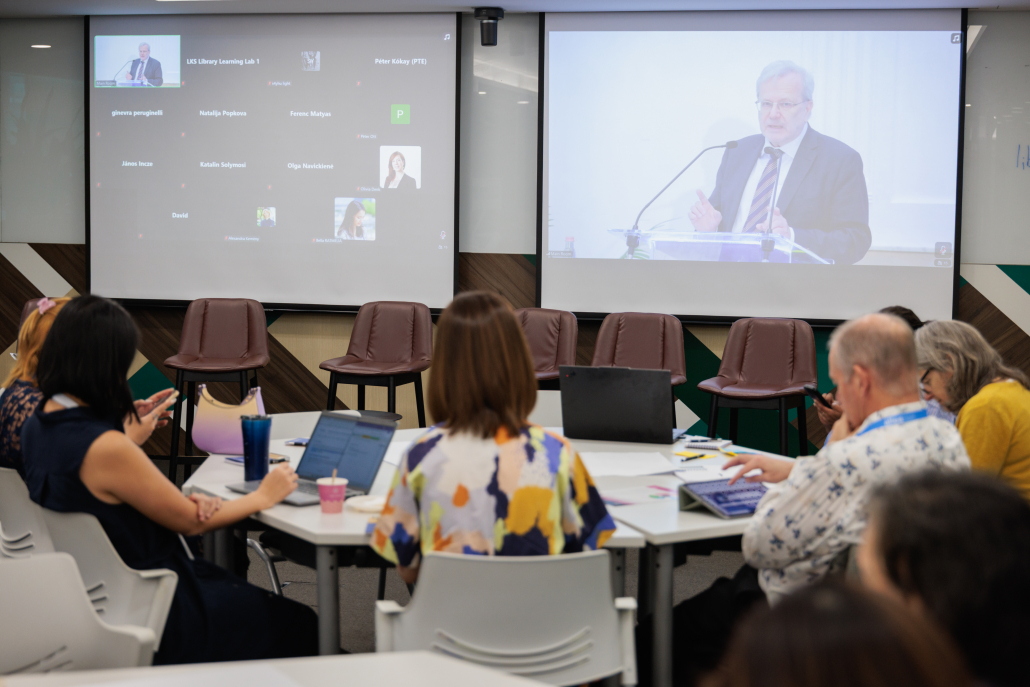
John Chodacki (Make Data Count) echoed this by highlighting the need to responsibly value research data and software as distinct outputs, and urged attendees to expand the definition of academic success beyond traditional publications. Daniela Perrotta (Coordinator, FOLEC-CLACSO), joining remotely from Argentina, underscored that research assessment reform and open science must advance hand-in-hand. Reflecting on Latin America’s long history of non-commercial knowledge infrastructures, she delivered a powerful message on agency:
“Open science and responsible assessment are mutually reinforcing. Open science cannot flourish if researchers continue to be rewarded primarily for publishing in a limited set of high-impact journals… I don’t think that because we are a smaller system within the world we don’t have agency or power… we need to make this system, even if it is small for the world, work for us.”
– Daniela Perrotta, FOLEC-CLACSO