

AI in Research - Benefits and Risks for Ethics and Integrity
Experts from across Europe came together at the Royal Irish Academy to ask how research ethics and integrity can keep pace with artificial intelligence.
On 28 October 2026, ALLEA's Research Ethics and Integrity Council (REIC) joined the Royal Irish Academy (RIA) for a half-day seminar, AI in Research: Benefits and Risks for Ethics and Integrity. Some 55 participants attended in person at the Academy's Dawson Street home in Dublin, with another 30 following online. The seminar took place alongside a two-day meeting of the REIC at the Royal Irish Academy. The event was supported by the project SIMPLIFY.
The seminar came at a pivotal moment: the REIC is currently revising ALLEA’s European Code of Conduct for Research Integrity, and AI is one of the most pressing questions for that work. The Dublin discussions offered valuable perspectives from academies and key stakeholders across the continent.
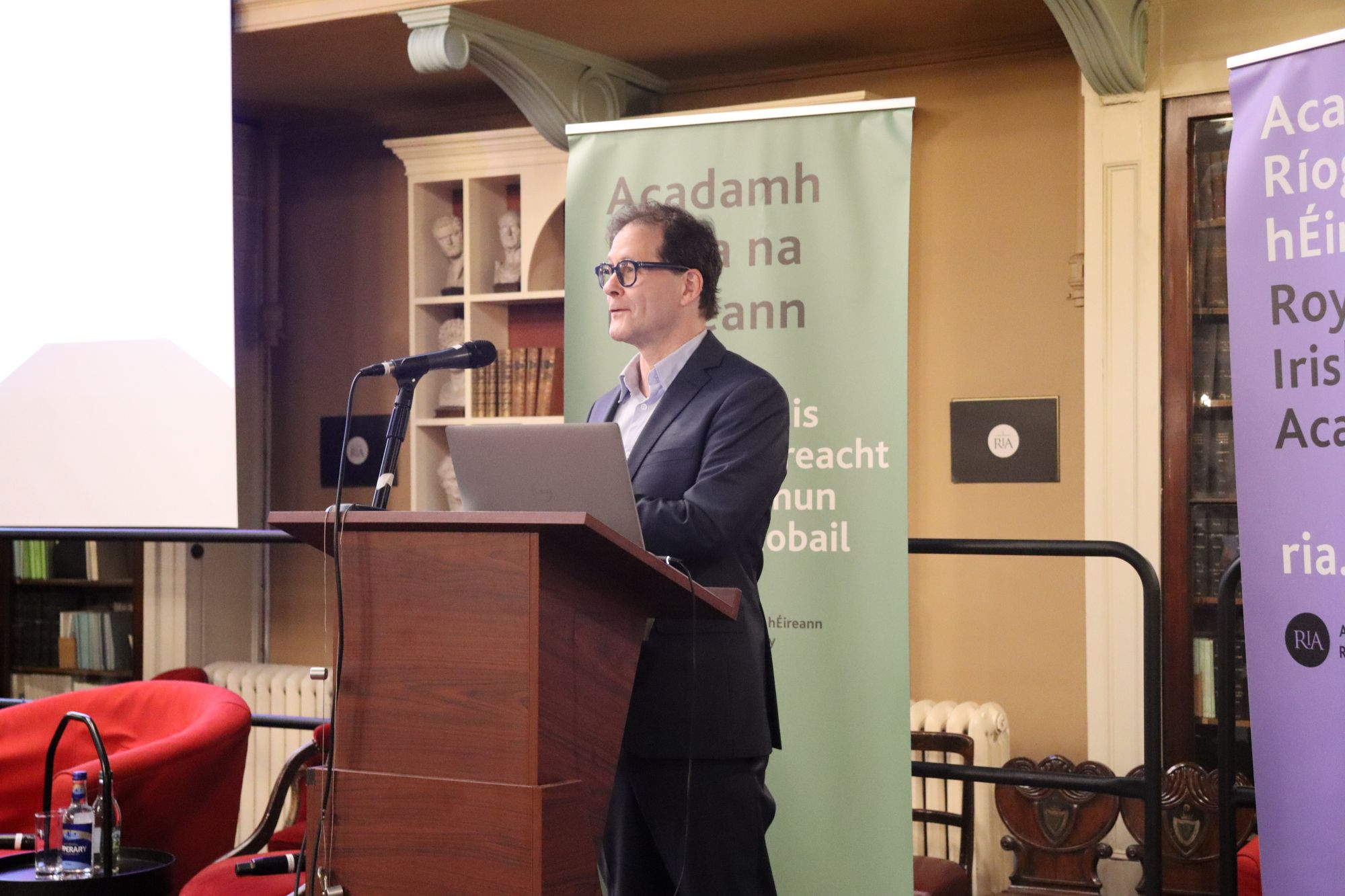
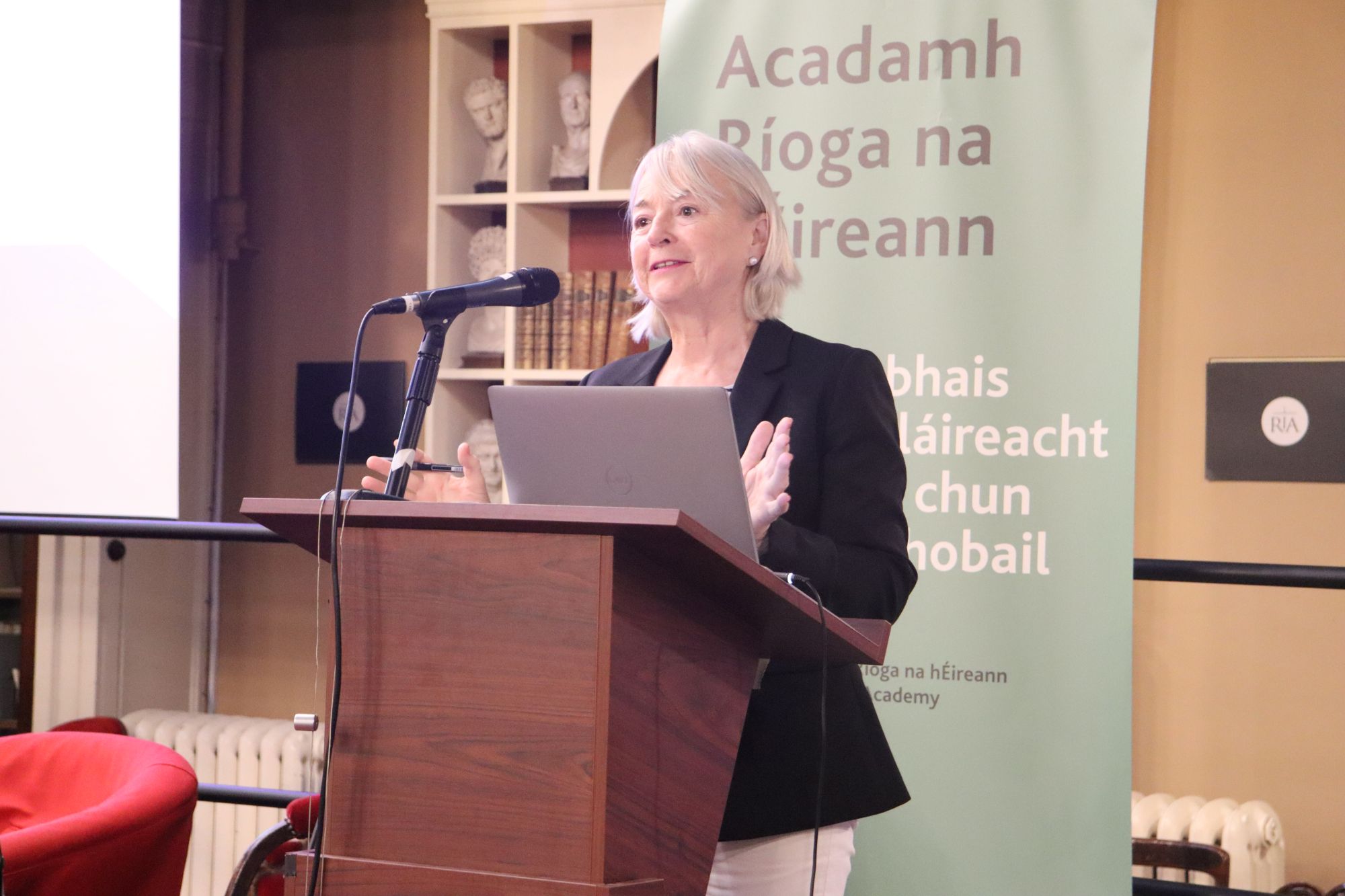
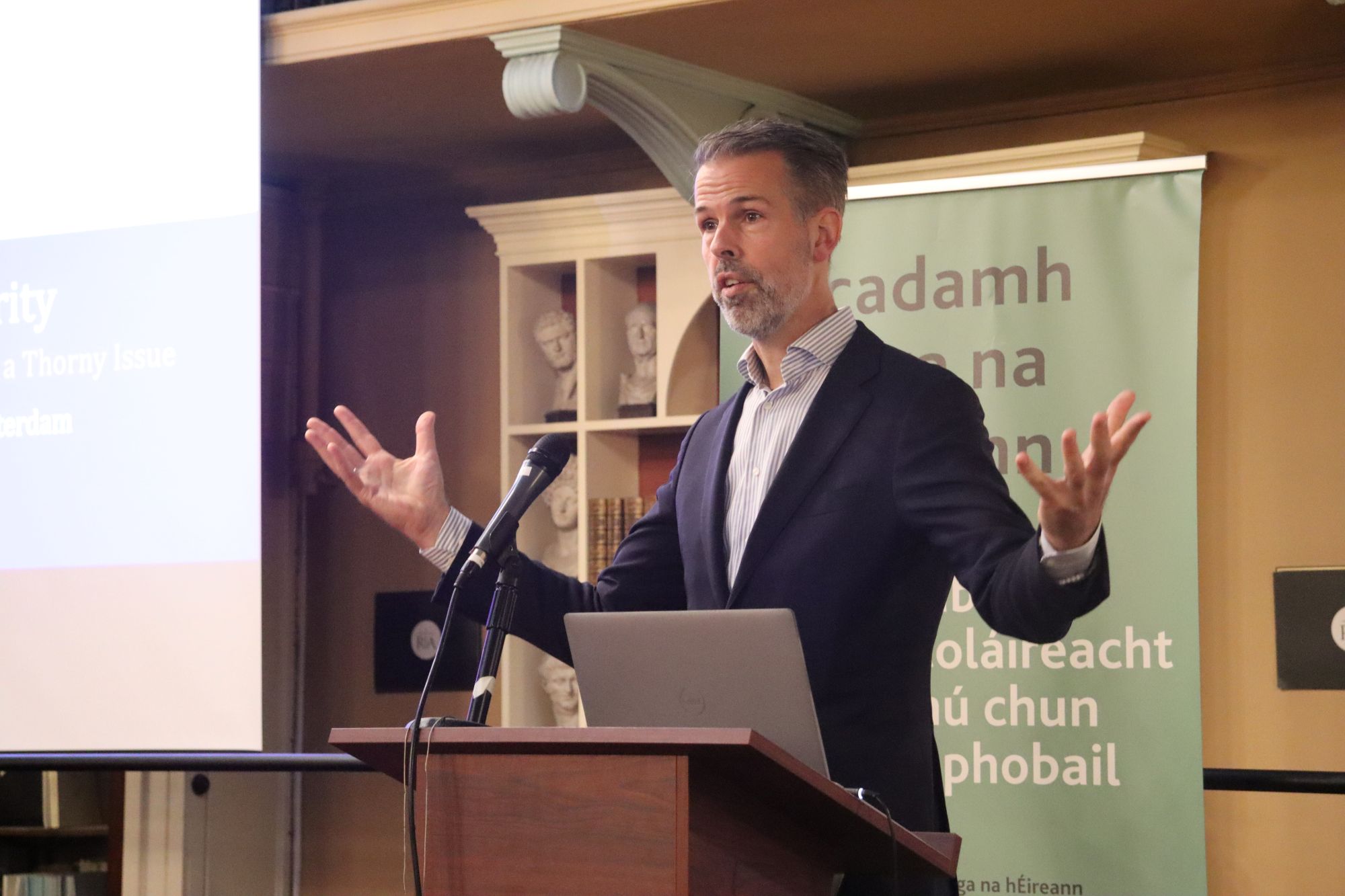
Welcome and keynote: learning from the Dutch experience
After opening remarks from RIA President Daniel Carey and REIC Chair Maura Hiney, Professor Jeroen de Ridder (VU Amsterdam; Chair of the Drafting Committee for the Dutch Code of Conduct for Research Integrity) shared reflections from 18 months of grappling with AI in the Dutch code. The code deliberately speaks of "technologies" in general, because the meaning of "AI" keeps shifting. A proposed standard requiring researchers to use only validated technologies did not survive consultation, as it was seen as too demanding. Instead, the code asks that technology use be consistent with its principles and standards, and places a duty of care on institutions, including cross-institutional guidelines and ethical review.
A companion reading guide is also planned. Rather than offering rules that would soon be outdated, it poses reflection questions grounded in the code's principles, such as whether AI-generated content risks unintended fabrication or plagiarism, and what transparency about AI use requires in practice. The audience raised the use of research data for AI training, the risk of fragmented institutional responses, and the understandable wish for clear yes-or-no answers. Jeroen noted that the real answers are more complex and will keep evolving, so they need ongoing conversation embedded in everyday research practice. Academies, he suggested, could help by acting as a beacon for cross-institutional drafting.
The Royal Irish Academy
The Royal Irish Academy (RIA) is an independent, all-island learned society established under Charter in 1785. It is the principal learned society in Ireland and has approximately 680 members, chosen for their distinguished contributions to scholarship and research in the sciences, humanities, social sciences and public service.
Visit the Royal Irish Academy ↗AI and academic freedom
An open exchange moderated by ALLEA Vice-President Marie-Louise Nosch provided an opportunity for participants to discuss current challenges and identify practical avenues for further cooperation.
Professor Peter Pagin (Royal Swedish Academy of Sciences) used a classic distinction from the philosophy of science. AI, he argued, belongs in the context of discovery, where ideas can come from anywhere. It should not replace human responsibility in the context of justification, where reasons for accepting results are checked. Since the inner workings of today's AI systems cannot be fully inspected, he proposed principles of human justification, transparency, and accountability, with concealing AI use treated as a serious integrity matter.
Peter also outlined four ways AI could threaten academic freedom:
Four ways AI could threaten academic freedom
AI used as a pretext to defund human-led science
A perception that science is so polluted by "AI slop" that it can no longer be trusted, including floods of AI-generated papers and applications that overwhelm assessment
The scientific community being blocked from regulating itself
Surveillance and control of researchers through their AI prompts
AI, science communication and higher education
Emma Yhnell (Learned Society of Wales) highlighted the importance of science communication, and the pressures researchers face from social media. She drew on Wales's Well-being of Future Generations Act as a model of long-term thinking, and called for research assessment to value process as well as output. Equitable access and the digital divide were also on her agenda. In the discussion, participants raised the environmental footprint of AI, whether academia could build its own tools, and the difference between whether and how we use AI.
Panel: what can codes do?
The closing panel, moderated by Maura Hiney (Royal Irish Academy), brought together Jeroen de Ridder, Deborah Oughton (Norwegian Academy of Science and Letters), Georg Marckmann (Leopoldina) and Krista Varantola (Council of Finnish Academies). Panelists agreed that even as "soft law", codes create shared understanding and a common reference point. They matter most when science is under pressure, as the pandemic showed, though principles stay fixed while circumstances change. Codes cannot fix human vulnerabilities and inconsistencies, but people will live by them if they are practical, as the Declaration of Helsinki shows. Panelists also called for better training and mentoring for senior researchers, better coordination across borders, and engagement from everyone in the research ecosystem, including funders. Several also stressed healthier research cultures, with institutions taking their duties of care seriously.
Reflecting on AI's wider impact, Georg Marckmann pointed out that AI is increasingly becoming a partner rather than just a tool. It can reshape how people create, think and relate to one another, so we need to consider what we might be outsourcing.
In her closing remarks, RIA Secretary for Policy and International Relations Mary Doyle stressed the need for a unified voice from higher education to guide national strategy and legislation, including on AI literacy.
Looking ahead
The gatherings in Dublin point to a shared message: AI raises real questions for research integrity, but responses work best when they are grounded in the principles the research community already shares, backed by institutions and made practical for researchers.
ALLEA warmly thanks the Royal Irish Academy for hosting, all speakers and panelists for sharing their expertise, everyone who took part in person and online, and the SIMPLIFY project for its support. The insights from Dublin will feed into ongoing reflections as the REIC refreshes the European Code of Conduct, which will be published in October 2027.
Watch the event and discussion
You can watch the full presentations and discussion via our youtube channel, or directly in the video below:

