Event Report: ALLEA General Assembly 2026
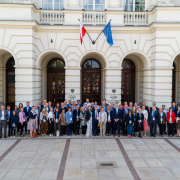
From 26-29 May 2026, ALLEA organised a series of events as part of its 2026 General Assembly in Warsaw, Poland, in collaboration with long-standing member, the Polish Academy of Sciences.

From 26-29 May 2026, ALLEA organised a series of events as part of its 2026 General Assembly in Warsaw, Poland, in collaboration with long-standing member, the Polish Academy of Sciences.
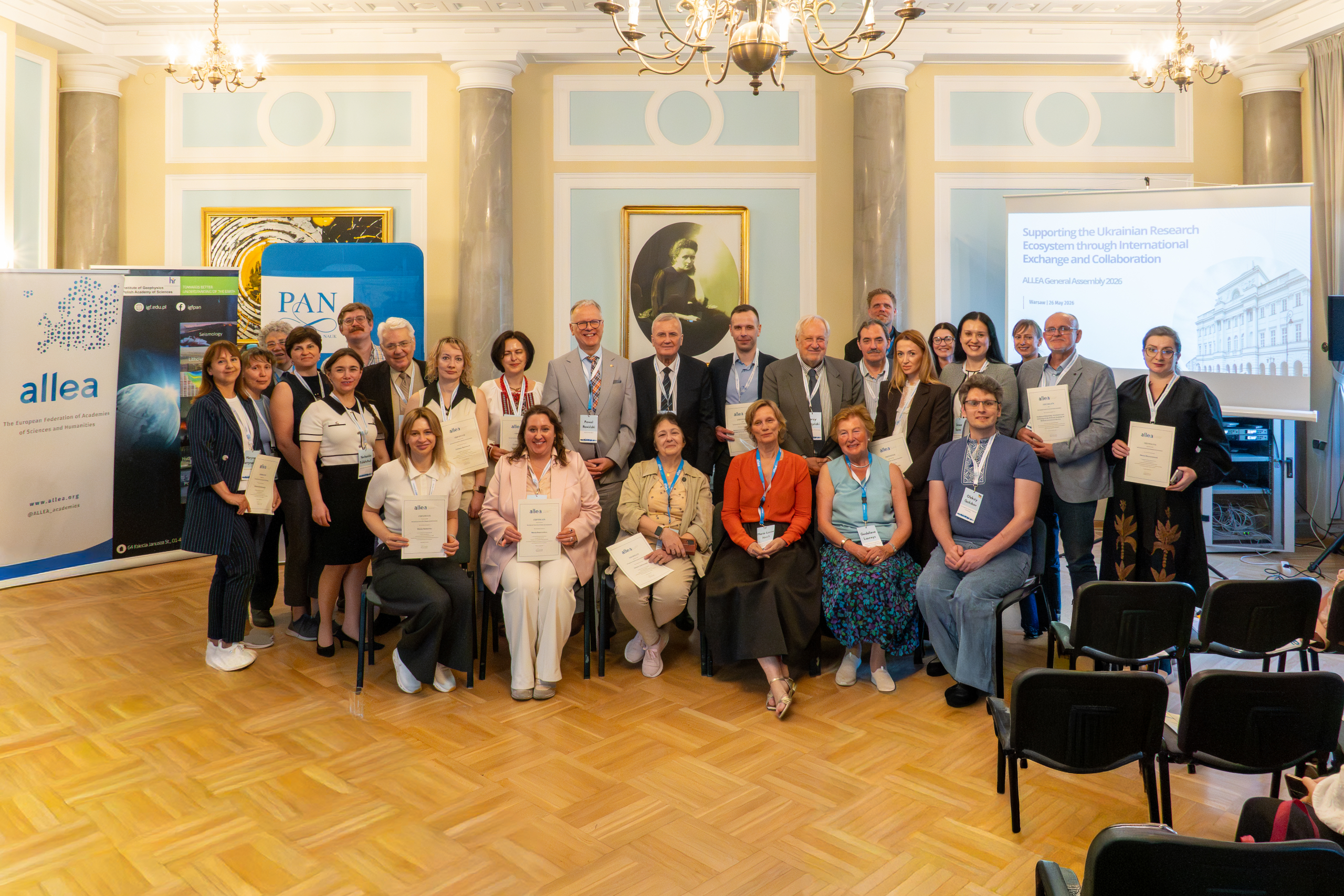
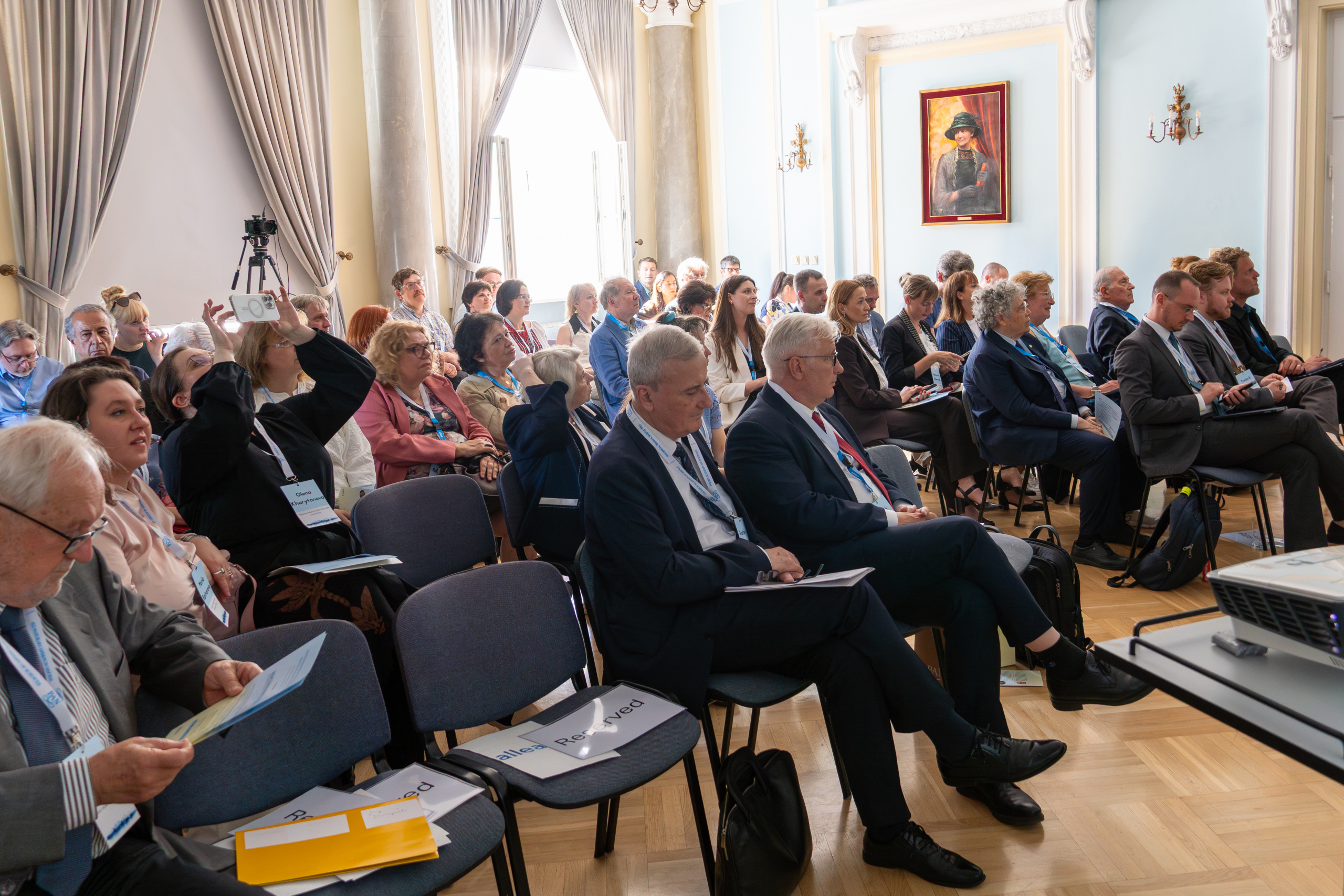
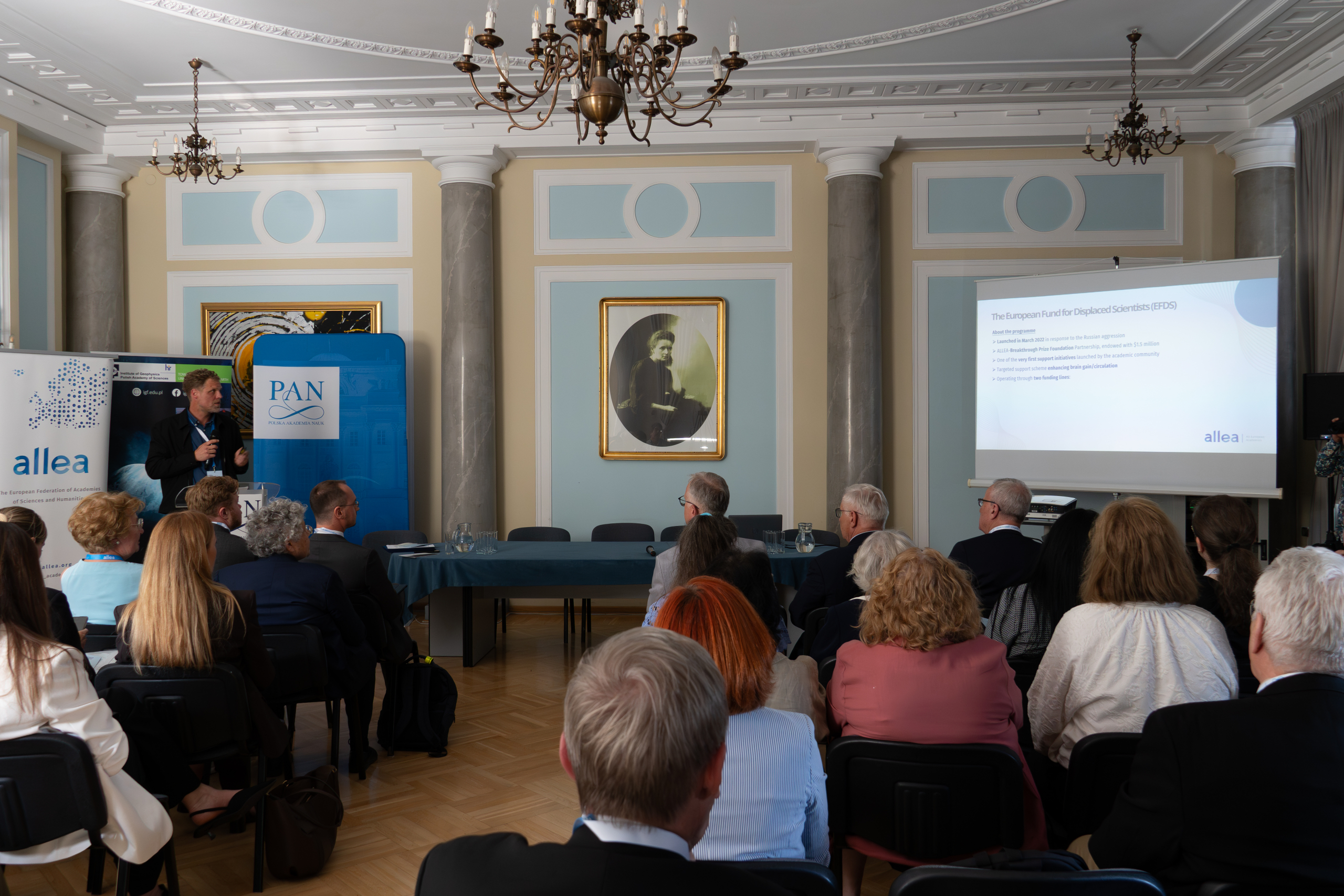
Held alongside the ALLEA General Assembly 2026 in Warsaw, Poland, the satellite event, ‘Supporting the Ukrainian Research Ecosystem through International Exchange and Collaboration’ convened representatives of European academies, Ukrainian research institutions, policymakers, and members of the Ukrainian scientific diaspora to discuss the future of Ukrainian science in the context of Russia’s ongoing war against Ukraine.
The event provided a platform to reflect on four years of international support efforts, assess current challenges facing the Ukrainian research ecosystem, and identify concrete measures to strengthen its resilience, recovery, and integration into the European Research Area.
The discussions highlighted the remarkable resilience of Ukrainian science despite the severe disruption caused by the war. Speakers emphasised that Ukrainian researchers and institutions continue to produce scientific knowledge, maintain international partnerships, and contribute to the country’s recovery under extraordinarily difficult circumstances. At the same time, participants stressed that preserving and developing Ukraine’s research capacity is not only a matter of solidarity, but a strategic investment in Europe’s shared scientific future.
From Emergency Support to Ecosystem Building
A central theme throughout the event was the evolution of support measures since 2022. Participants agreed that while emergency assistance remains necessary, international efforts must increasingly focus on long-term capacity building and institutional development.
The event marked a transition from emergency support measures towards a long-term agenda focused on resilience, recovery, international integration, and the future role of science in Ukraine’s reconstruction.
Particular attention was given to the European Fund for Displaced Scientists (EFDS), launched by ALLEA and the Breakthrough Prize Foundation in March 2022. Established as one of the earliest academic support initiatives following Russia’s full-scale invasion, the programme supported displaced Ukrainian researchers hosted across Europe and Ukrainian research institutions operating under wartime conditions. Since its launch, the programme has benefited approximately 140 scholars, contributed to more than 300 scientific publications, and facilitated extensive international collaboration.
Survey findings presented during the event demonstrated the programme’s enduring impact. Most respondents reported that EFDS support had been crucial for maintaining their research activities and accessing research infrastructure. The survey also revealed strong evidence of sustained collaboration between grantees, host institutions, and Ukrainian organisations, highlighting the programme’s success in fostering long-term international networks rather than encouraging permanent migration.
The experience of the EFDS programme demonstrates that targeted international support can strengthen “brain circulation”, enabling researchers to remain connected to both Ukrainian and European scientific communities while contributing to the development of both.
Current Needs and Future Priorities
 Discussions on the current needs of Ukrainian science identified several interconnected priorities. Participants repeatedly highlighted the importance of preserving human capital, particularly among early-career researchers, many of whom face uncertain career prospects due to the war. Strengthening opportunities for research collaboration, mobility, and professional development was seen as essential for retaining talent and supporting the next generation of Ukrainian scientists.
At the institutional level, speakers pointed to the urgent need for investment in research infrastructure, laboratory equipment, and access to international research facilities. The destruction and degradation of scientific infrastructure across Ukraine have created significant barriers to research activity, making coordinated international support indispensable.
The recovery of Ukraine’s research ecosystem will depend not only on rebuilding infrastructure, but on sustaining the people, institutions, and international partnerships that underpin scientific excellence.
Participants also emphasised that future support should increasingly target researchers and institutions working inside Ukraine. Proposed measures included joint international funding schemes, bilateral cooperation programmes, collaborative research centres, access to specialised facilities abroad, and mechanisms for donating scientific equipment to Ukrainian institutions.
Many of these recommendations were subsequently reflected in the Appeal of the ALLEA General Assembly in Support of Ukrainian Science, adopted by ALLEA Member Academy Delegates on 28 May 2026.
The Role of the Scientific Diaspora
A dedicated session explored the contribution of Ukrainian researchers working abroad to the future development of Ukrainian science. Speakers described the scientific diaspora as a vital resource for fostering international partnerships, transferring expertise, supporting access to funding opportunities, and strengthening links between Ukrainian institutions and global research networks.
The Ukrainian scientific diaspora should be understood not as a loss of talent, but as a strategic asset capable of accelerating international cooperation, knowledge exchange, and future recovery efforts.
To support these objectives, the event marked the official launch of the EFDS Alumni Network. Building on the relationships established through the fellowship programme, the network will create opportunities for community-building, networking, collaboration, and knowledge exchange among former grantees and partners. It is intended to serve as a long-term platform for mobilising expertise and maintaining meaningful engagement with Ukrainian science.
Conclusions
The event demonstrated a strong and enduring commitment among European academies, research organisations, and policymakers to support Ukrainian science. Participants agreed that science and innovation must be recognised as integral components of Ukraine’s recovery and future development.
A resilient, internationally connected, and well-supported research system is not a secondary element of Ukraine’s recovery – it is one of its preconditions.
The discussions and recommendations emerging from the event reaffirmed the importance of sustained international cooperation and provided a roadmap for strengthening the resilience, recovery, and global integration of Ukraine’s research ecosystem in the years ahead.
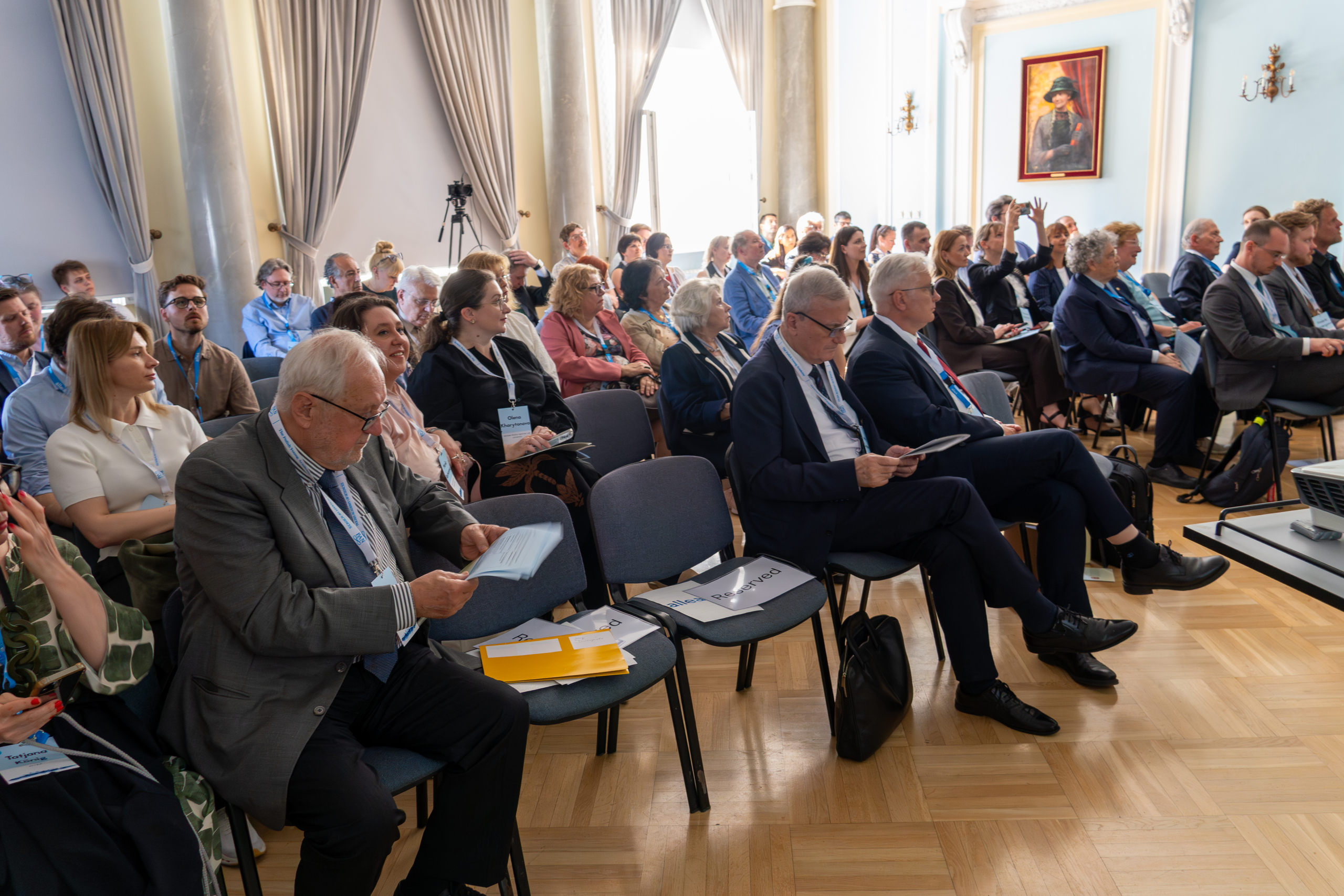
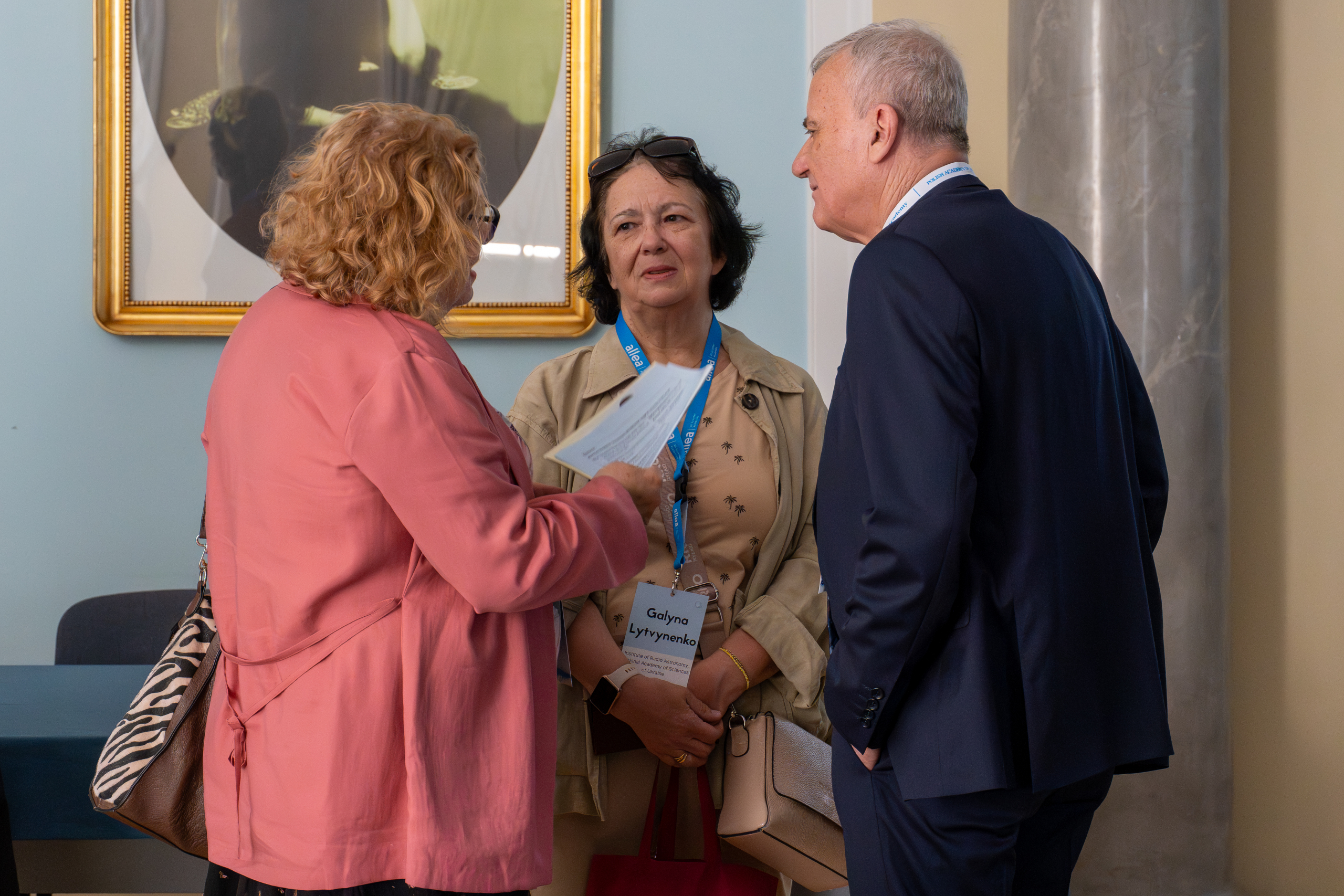
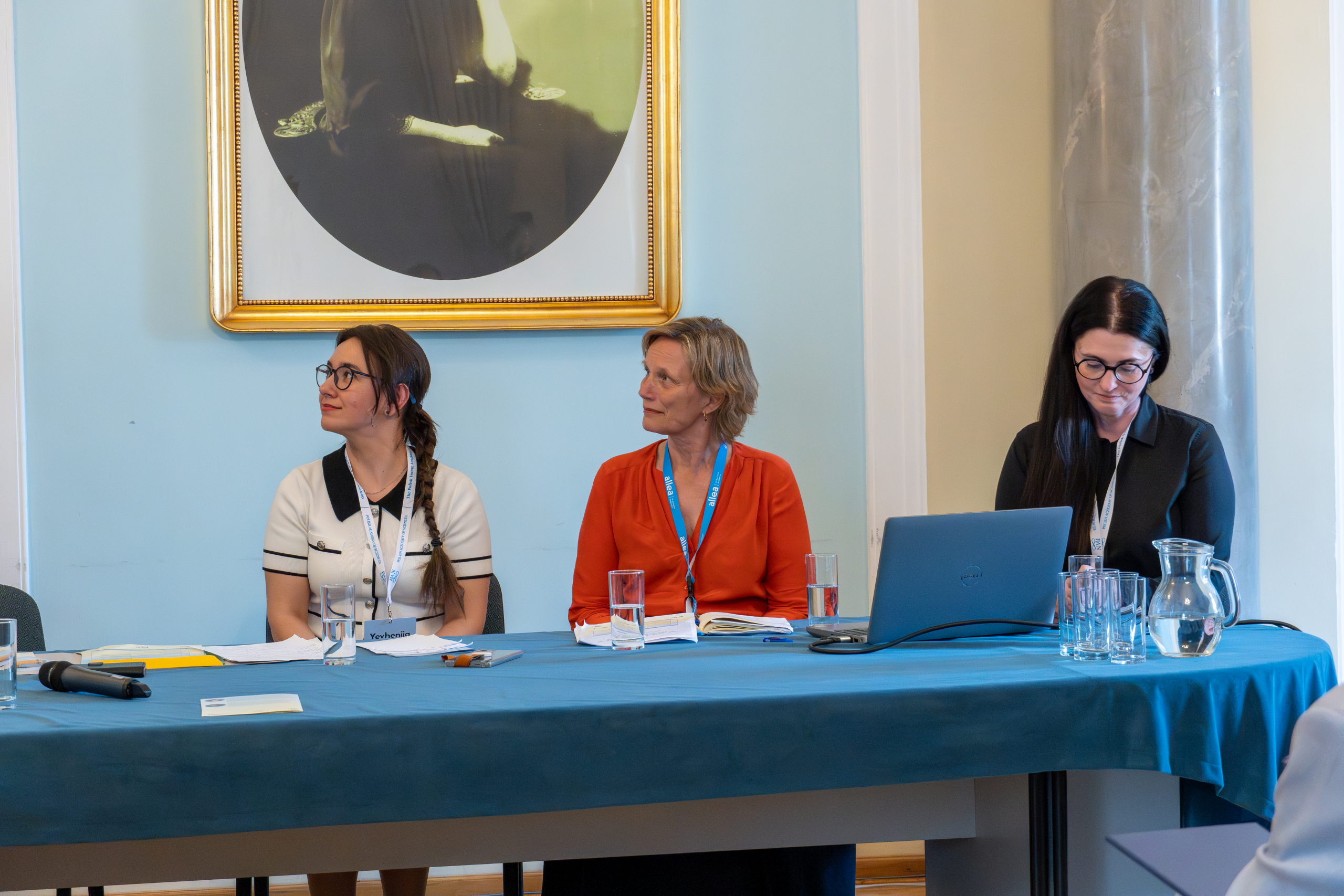
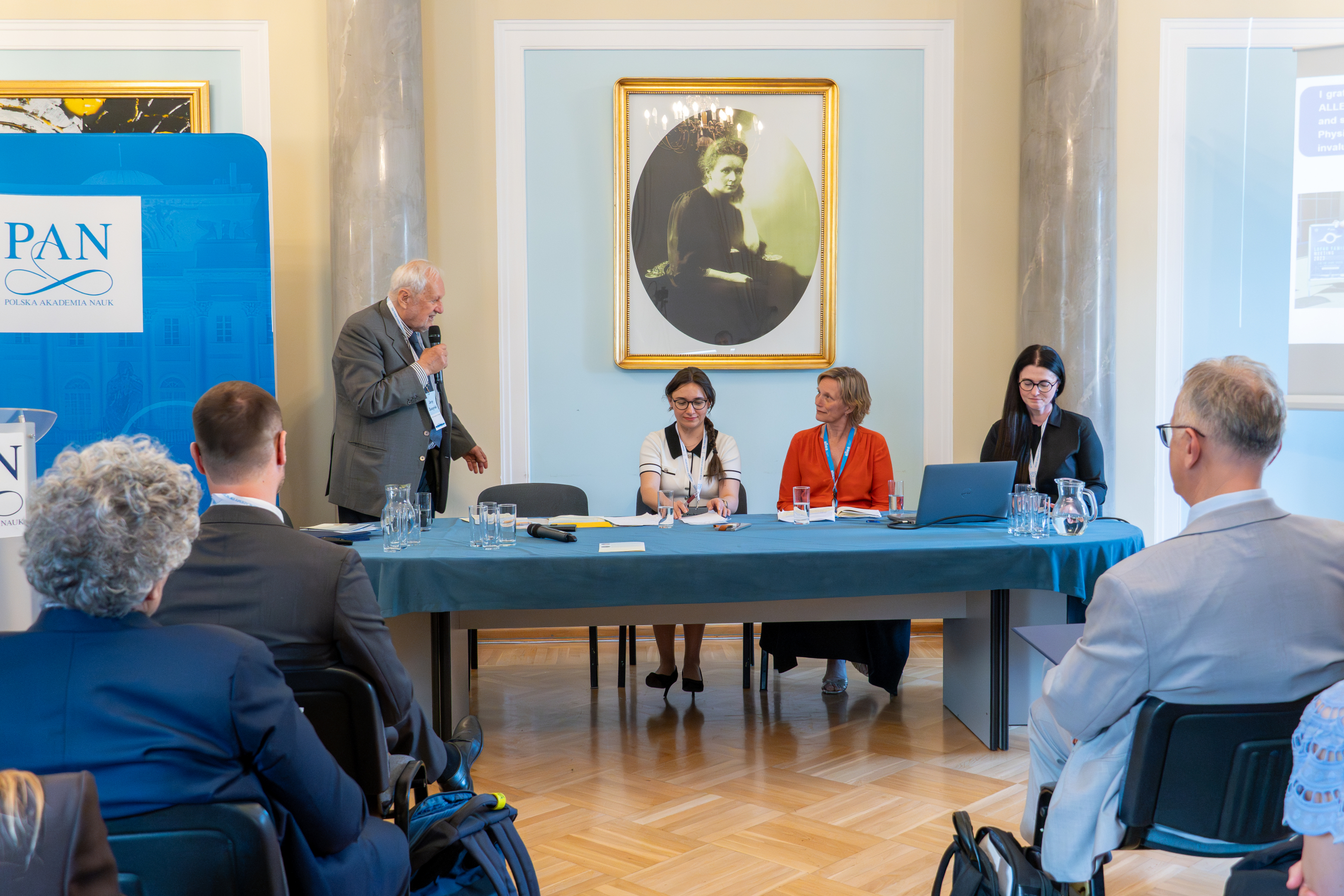
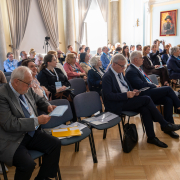
On 28 May 2026, ALLEA Delegates adopted the Appeal of the ALLEA General Assembly in Support of Ukrainian Science, which called for sustained international action to strengthen a resilient, modern, and globally integrated Ukrainian research system, thereby reaffirming the network’s solidarity with the Ukrainian scientific community.
Building on the ten-point Action Plan first adopted in 2022, the Appeal highlights the continued resilience of Ukrainian researchers and institutions despite the immense challenges posed by Russia’s ongoing aggression. It also underscores the vital role that science and research must play in Ukraine’s recovery, resilience, and long-term prosperity.
The Appeal, published on 5 June, calls on leaders, funding organisations, research institutions, ALLEA Member Academies, and the international research community to take concrete actions to strengthen the Ukrainian research ecosystem. The recommended actions include, among others, supporting international collaboration, creating joint centres of excellence, funding research partnerships with Ukrainian researchers/institutions, providing access to research infrastructure, and investing in the next generation of Ukrainian scientists. These recommendations emerged from the multistakeholder discussions that took place during the satellite event of the 2026 ALLEA General Assembly, titled, Supporting the Ukrainian Research Ecosystem through International Exchange and Collaboration.
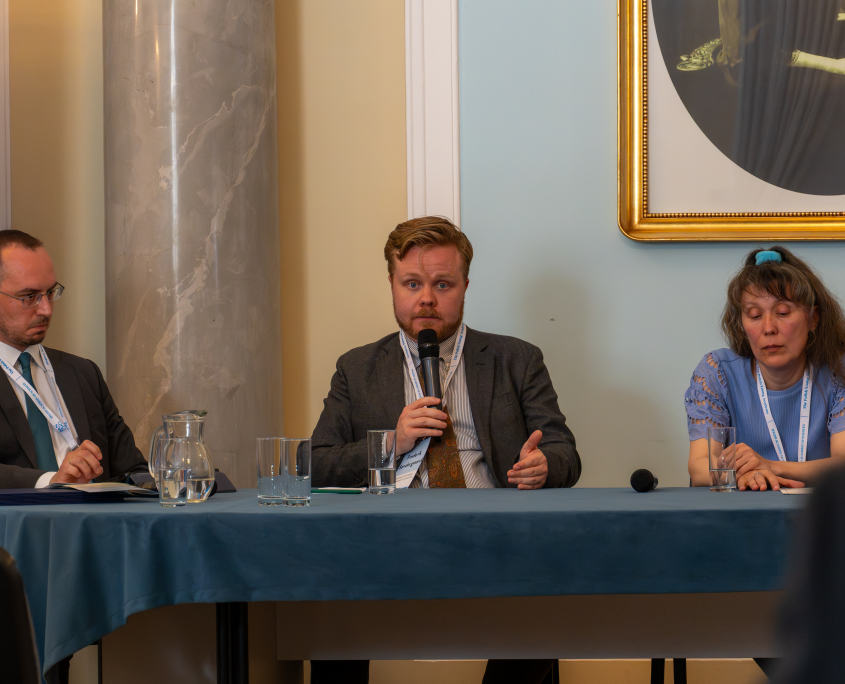
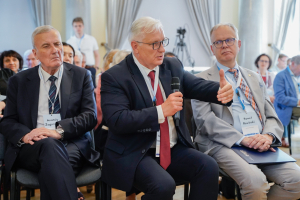
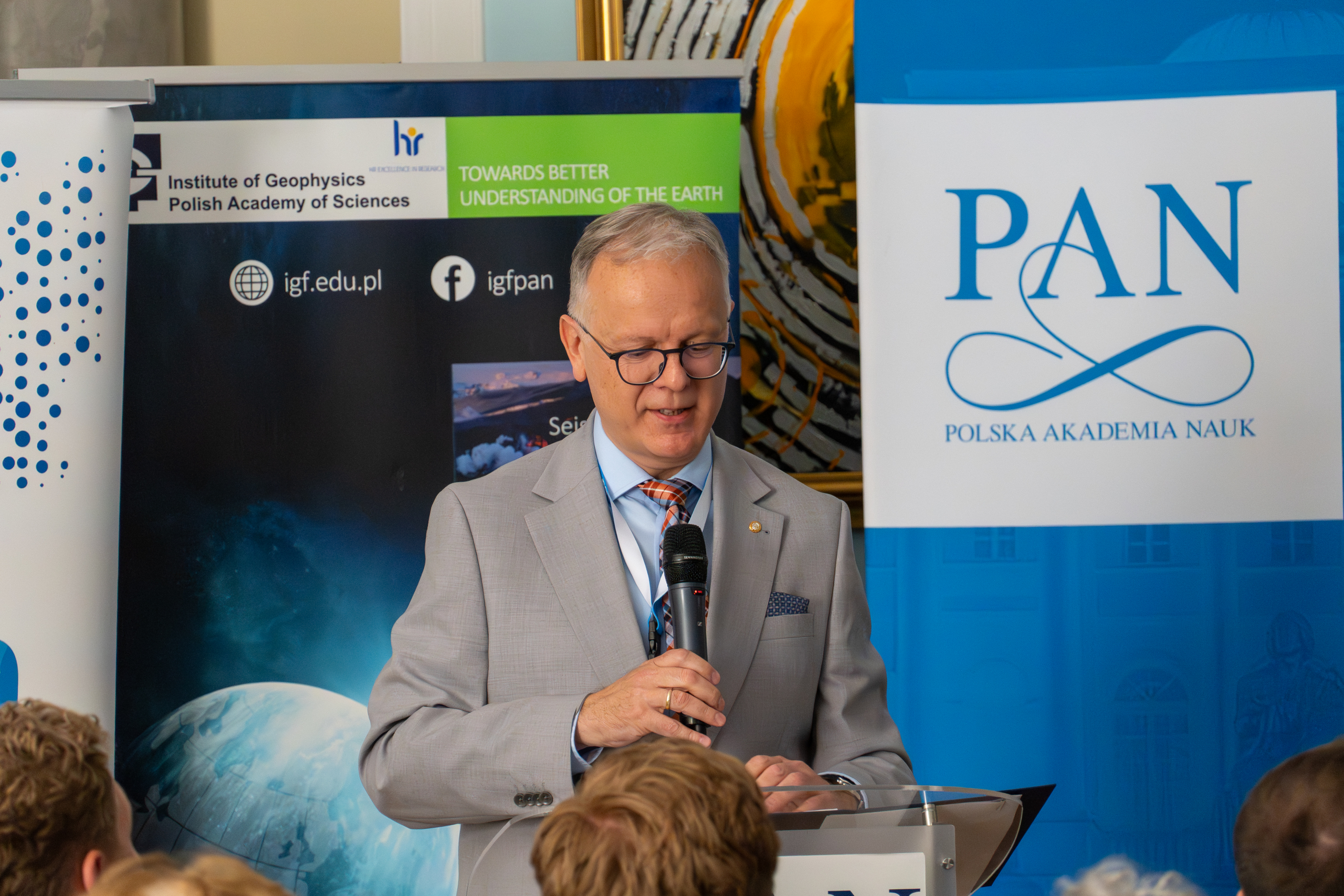
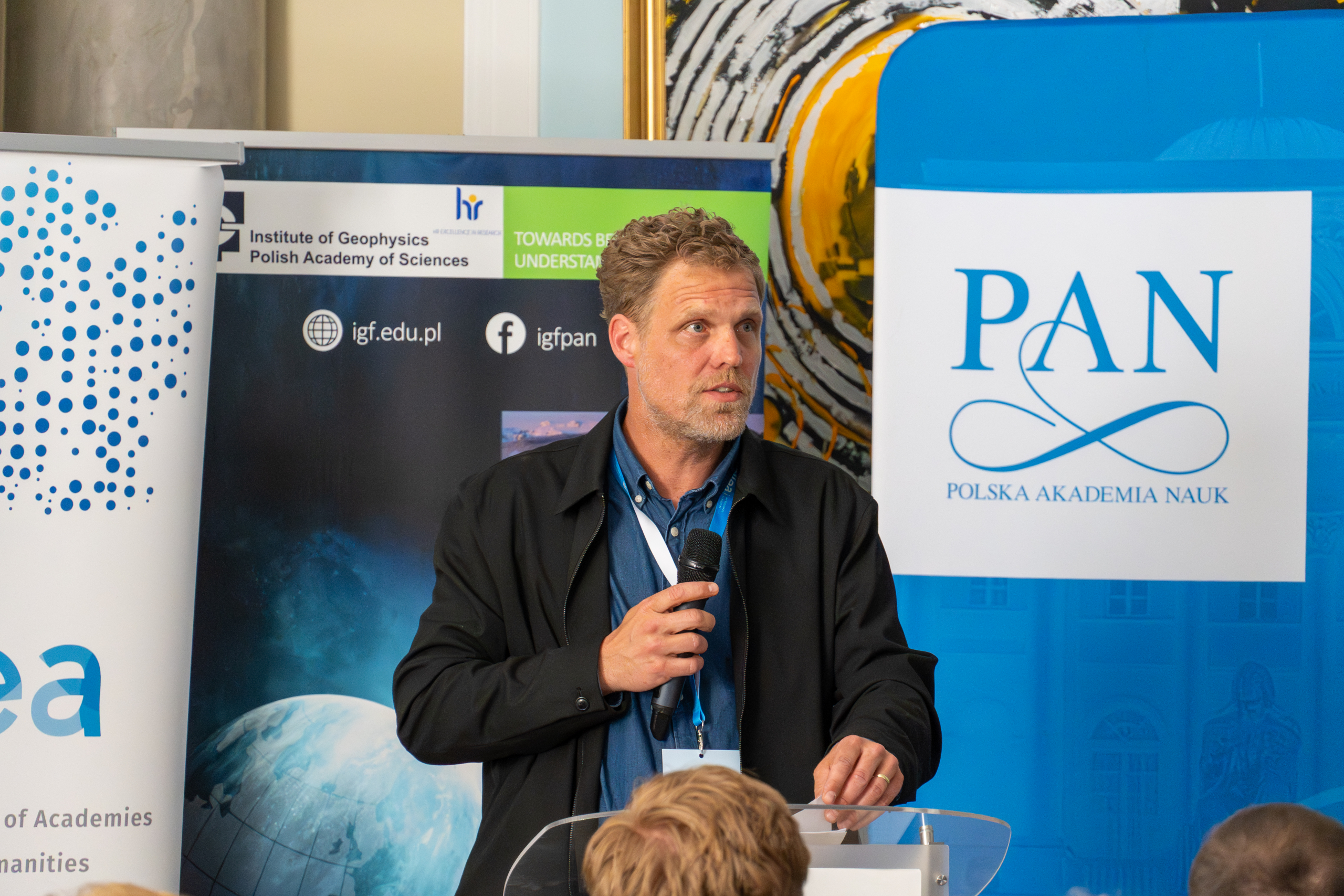
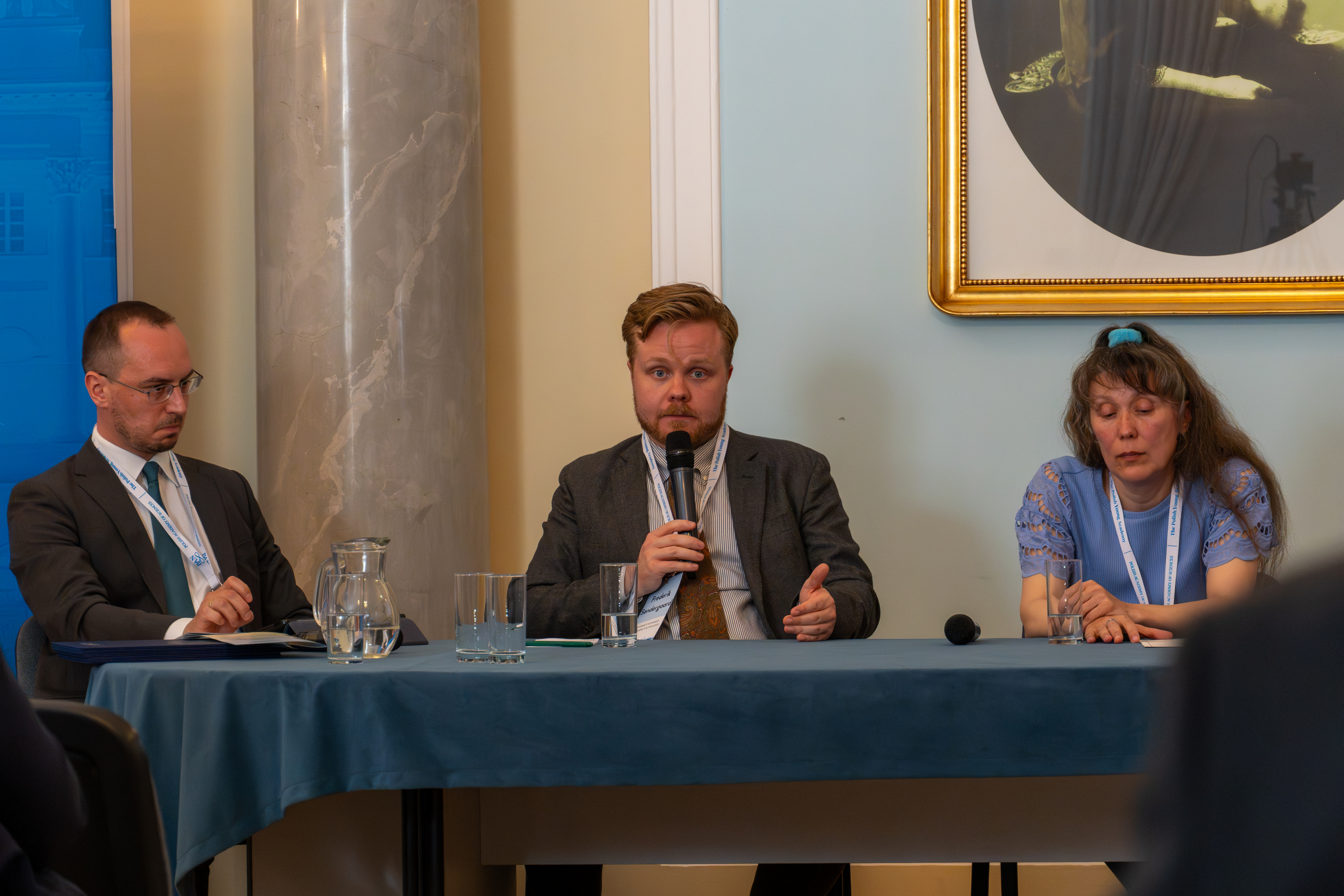
Panel discussing the most pressing needs of Ukrainian research system; (L to R): Mateusz Białas (Director of PAS Representative Office in Kyiv), Frederik Søndergaard (European Commission DG RTD/International Coalition for Ukraine), Nataliya Vasylyeva (Institute of Applied Mathematics and Mechanics of NASU & EFDS beneficiary institution, Sloviansk)
Adopted four years after the original Action Plan, the Appeal serves as a renewed call for collective action to ensure that Ukrainian science remains a strong and integral part of Europe’s shared intellectual and cultural heritage. It is ALLEA’s latest effort to ensure that international support for Ukrainian science remains steadfast and for the long-term, as an active member of the International Coalition for Science, Research, and Innovation in Ukraine.
Read the full Appeal here.

On 13 May, in the context of the ongoing consultation on the European Research Area (ERA) Act, ALLEA joined forces with EIFL, IFLA, LIBER, OPERAS, and SPARC Europe to issue a joint Statement calling for renewed political commitment to Open Science as a cornerstone of a strong, competitive, and resilient European Research Area.
The Statement was issued on behalf of thousands of European universities, research-performing organisations, libraries, scholarly infrastructures, and academies of sciences and humanities.
While substantial progress has been made in recent years through initiatives such as the UNESCO Recommendation on Open Science, the ERA Policy Agenda, and national Open Science strategies, significant barriers continue to hinder equitable participation in, and access to, Open Science across Europe. Financial, linguistic, geographic, and legal inequalities remain major obstacles to the full realisation of an open and inclusive research ecosystem. In the Statement, the signatories emphasised that including targeted legislative measures to support Open Science in the ERA Act would be a necessary, but insufficient, move to create a sustainable open research culture – achieving true openness will require sustained investment in infrastructures, policy alignment, incentives, and community-led initiatives across the European research ecosystem.
The statement highlights Open Science as fundamental to the free circulation of knowledge and essential for strengthening research integrity, transparency, reproducibility, evidence-based policymaking, and European competitiveness. It also emphasises that Open Science is crucial for ensuring Europe’s strategic autonomy and capacity to respond to societal and geopolitical challenges.
The signatories called on European institutions and Member States to seize the opportunity presented by the ERA Act to create the enabling conditions necessary for a research ecosystem that is responsibly open, innovative, inclusive, resilient, and above all, grounded in European values.
Read the full Statement here.
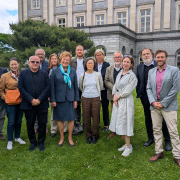
On 7 May, the ALLEA Science Policy Standing Committee (SPSC) convened in Brussels to discuss emerging challenges and opportunities for European science and research.
Hosted by the Royal Flemish Academy of Belgium for Science and the Arts (KVAB) and its President and SPSC Chair, Professor Godelieve Laureys, the meeting brought together experts from across Europe to exchange views on key science-policy developments and future priorities for the research landscape.
Discussions focused on a range of interconnected topics shaping the future of science in Europe, including public trust in science, research security, artificial intelligence, open science, and the sustainability of research systems. The committee members reflected on how European academies can contribute to addressing these challenges through independent expertise, collaboration, and engagement with policymakers and society.
In preparation for the upcoming ALLEA General Assembly in Warsaw (26-29 May), the SPSC explored different formats to engage Member Academies, particularly in the identification of crucial topics and issues that may require greater attention in the years ahead.
The Committee also explored a number of major policy developments shaping Europe’s future, including competitiveness, security, emerging technologies, and the green transition. The discussion underscored the growing need for independent scientific advice to address complex societal challenges, and highlighted the unique role of academies in bringing long-term perspectives to fast-moving policy debates.
The Science Policy Standing Committee is a central forum within ALLEA for strategic reflection on science-policy developments and for supporting collaboration across the European academy community. Established to respond to a rapidly evolving European research and innovation landscape, the Committee ensures that ALLEA’s activities remain timely, transparent, and strategically aligned with its mission to promote science for the benefit of society.

In April, the public nomination period for the 2027 Breakthrough Prizes in Fundamental Physics, Life Sciences and Mathematics opened.
You can submit your nominations via the online portal until 17 July. The nomination process is open to everyone. The Breakthrough Prize was established in 2012 and honours outstanding, primarily recent, achievements in the categories of Fundamental Physics, Life Sciences and Mathematics.
One 2027 Breakthrough Prize in Fundamental Physics (US$3 million) will recognise an individual or individuals who have made profound contributions to human knowledge. It is open to theoretical and experimental physicists. The prize can be shared among any number of scientists.
The New Horizons in Physics Prize includes up to three US$100,000 awards for early-career researchers. Additionally, a new physics prize, the Vera Rubin New Frontiers Prize, is now open for women physicists and astrophysicists (broadly defined) who have completed their PhDs within the previous two years.
Three 2027 Breakthrough Prizes in Life Sciences (US$3 million each) will be available to individuals who have made transformative advances in understanding living systems and extending human life.
One 2027 Breakthrough Prize in Mathematics will award US$3 million to an individual in recognition of outstanding contributions to mathematics.
Nominations are also invited for the New Horizons in Mathematics Prize, which offers up to three awards of US$100,000 to early-career researchers. Additionally, up to three Maryam Mirzakhani New Frontiers Prizes, each worth $50,000, will be presented to women mathematicians who have completed their PhDs within the past two years.
For more information on the Prizes and Nomination process, see here.
The Breakthrough Prize Foundation is a charitable endeavor founded by science philanthropist and technology investor Yuri Milner and his wife Julia, dedicated to advancing fundamental knowledge, celebrating scientific achievement, and utilizing scientific and technological innovations to improve people’s lives and inspire future generations. The Foundation’s programs include the Breakthrough Prize, which recognizes the world’s top scientists in the fields of Life Sciences, Fundamental Physics, and Mathematics; the Breakthrough Junior Challenge, an annual global video competition for students to inspire creative scientific thinking; and the Breakthrough Initiatives, a suite of science programs investigating the fundamental questions of life in the universe.
The Scientific Advice Mechanism (SAM) has advised the European Commission on how to strengthen Europe’s position in the development and deployment of advanced materials.
The Science Advice for Policy by European Academies (SAPEA), through its working group of renowned scientists nominated by European academies to work on the topic, played a pivotal role in this advice. The experts provided the overview of the current scientific knowledge on the topic — which the Group of Chief Scientific Advisors (GCSA) has used to inform their policy recommendations.
The SAPEA Evidence Review Report and the GCSA Scientific recommendations were submitted on 21 April in Brussels to Ekaterina Zaharieva, Commissioner for Startups, Research and Innovation.
The advice comes in support of the upcoming Advanced Materials Act.
Advanced materials, including superconducting materials for computers, biomaterials for drug delivery, and materials that store or distribute energy more efficiently, are designed to deliver superior performance for specific functionalities. These materials are essential for Europe’s autonomy, competitiveness, and resilience.
As co-chair of the SAPEA working group, Anke Weidenkaff, explains, “Europe leads in computational modelling and first-principles simulation codes, yet lacks the high-quality, specialised datasets needed for AI-driven discovery of more sustainable materials. Additionally, Europe’s fragmented cross-border economic ecosystems weaken its ability to compete with concentrated advanced materials manufacturing hubs elsewhere.”
Based on the evidence provided by SAPEA, the GCSA made a range of policy recommendations to the European Commission for advancing Europe’s advanced materials ecosystem, including:
“Investment in fundamental research and human capacity is crucial. Fundamental science requires long-term, predictable funding without expectations of rapid returns,” concluded SAPEA co-chair Olli Ikkala.
The Scientific Advice Mechanism (SAM) provides independent scientific evidence and policy recommendations to the College of European Commissioners on any subject, including on issues that the European Parliament and the Council consider to be of major importance. The SAM comprises the Science Advice for Policy by European Academies (SAPEA), a consortium of academy networks that includes over a hundred academies, young academies, and learned societies, including ALLEA, whose role is to review and synthesise evidence and the Group of Chief Scientific Advisors (GCSA), seven eminent scientists whose role is to make policy recommendations.
For the full evidence review report and scientific opinion on Advanced Materials, visit the Scientific Advice Mechanism website. For more information, contact Justine Moynat.
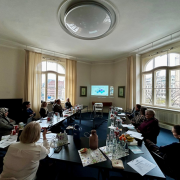
On 24 March 2026, the ALLEA Research Ethics and Integrity Council (REIC) held its inaugural meeting at the Berlin-Brandenburg Academy of Sciences and Humanities (BBAW) in Berlin. It brought together research ethics and integrity experts from ALLEA Member Academies under the chairpersonship of Dr Maura Hiney (Royal Irish Academy). The meeting marked the formal launch of the Council’s activities, building on the legacy of ALLEA’s Permanent Working Group on Science and Ethics (PWGSE) and its contributions to shaping the European research integrity landscape.
The session was opened by ALLEA’s new Director, Tatjana König, who welcomed Council members. She acknowledged the achievements of the PWGSE, particularly the European Code of Conduct for Research Integrity (ECoC), now widely recognised as a key reference document for researchers, institutions, funders and policymakers. Council members represent a wide range of disciplines – including philosophy, law, medical ethics, computer science, and the natural sciences – and diverse national contexts, reflecting the interdisciplinary and international nature of research ethics and integrity challenges.
The European Code of Conduct for Research Integrity: Towards the Next Revision
A central focus of the meeting was the future development of the European Code of Conduct for Research Integrity (ECoC). Building on its 2023 revision, the Council initiated discussions on the next update, envisaged for publication in 2028. Members emphasised the importance of maintaining the Code’s core principles while ensuring its continued relevance in a rapidly evolving research environment. Since the 2023 publication, the Code has been translated into 25 European and non-European languages.
Key areas identified for consideration in the next revision include the implications of emerging technologies such as artificial intelligence, the ethical dimensions of research in poly-crisis contexts, research security, funding transparency, and the influence of social media on research practices. The group also highlighted the need to maintain the high-level nature of the Code while balancing specificity with flexibility, ensuring that the Code remains applicable across national systems and disciplinary contexts.
Preparatory work on the revision process is now underway, which will be informed by extensive stakeholder consultation planned over the coming year. Digital presentation of the Code to highlight the excellent supplements produced by EU projects on specific ethics and integrity issues will also form part of the Council’s work.
Strengthening Research Ethics and Integrity through European Collaboration
The Council also discussed its contribution to European research policy, particularly in the context of the European Research Area (ERA) and specifically in the ERA Action 18 on Ethics and Integrity. The REIC will support ongoing efforts to promote the dissemination and implementation of the Code, as well as to monitor emerging ethical challenges across Europe.
Two Horizon Europe-funded projects – SIMPLIFY and SAEGE – were presented as key initiatives linked to the Council’s work. SIMPLIFY aims to strengthen the implementation of research ethics and integrity frameworks at institutional level, while SAEGE supports the activities of the European Group on Ethics (EGE) by providing research and evidence synthesis. Both projects offer important opportunities for collaboration, knowledge exchange, and alignment with the REIC’s objectives.
Looking Ahead: Priorities and Next Steps
The meeting concluded with an exchange on priorities for the Council’s future work. In addition to the Code revision, members identified a range of topics for further exploration, including academic freedom, citizen science, responsible research in policy contexts, and the ethical implications of commercialisation and dual-use research.
The inaugural meeting demonstrated a strong commitment among members to advancing research ethics and integrity in Europe and to ensuring that the European Code of Conduct remains a robust and forward-looking framework for responsible research.
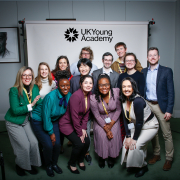
ALLEA can now count among its members the UK Young Academy following recent election by current membership. This addition marks the eighth Young Academy within the ALLEA network. Bringing this academy into ALLEA’s network not only supports young academics – it fosters further cooperation between Young and Senior Academies as well.
The UK Young Academy is a UK-wide, interdisciplinary membership organisation of early-career individuals who are passionate about making a difference in the world. Bringing together a diverse membership of researchers, innovators, clinicians, professionals, academics and entrepreneurs, it works to tap into the collective potential and expertise of its membership to tackle important issues in society at local, national and global levels, and provide a voice to the UK’s early-career landscape.
The Young Academy was established in 2022 as a first-of-its-kind collaboration between the seven senior academies across the UK and Ireland: the Academy of Medical Sciences, British Academy, Learned Society of Wales, Royal Academy of Engineering, Royal Irish Academy, Royal Society of Edinburgh, and the Royal Society. It currently sits under the operational auspices of the Royal Society.
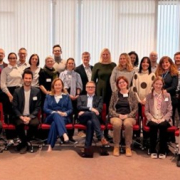
Last week, ALLEA participated in the official launch of the European Research Area (ERA) Policy Action 18 on Research Ethics and Integrity and a preparatory meeting for the SIMPLIFY project. The event, hosted by the European Commission in Brussels, brought together key stakeholders and Member State representatives committed to strengthening ethical standards and integrity across the European research landscape.
ALLEA is proud to serve as a co-sponsor of ERA Policy Action 18, which focuses on reinforcing ethics and integrity frameworks across the European Research Area. The initiative is structured around four key objectives:
Connecting existing European networks and stakeholders in research ethics and integrity to build a sustainable community of practice.
Facilitating dialogue, training activities, mutual learning, and the exchange of good practices among research institutions, funders, policymakers, and professional communities.
Developing practical guidance, operational tools, and standard operating procedures, including the revision of ALLEA’s European Code of Conduct for Research Integrity.
Promoting a shared culture of ethics and integrity throughout the ERA.
The launch event successfully convened representatives from EU Member States, European organisations, and Horizon Europe projects. Discussions focused on concrete ways to strengthen ethical practices and integrity in research, both at institutional levels and in day-to-day research activities.
SIMPLIFY, a newly funded Horizon Europe project, marks an important step towards a more coordinated, resilient, and evidence-based approach to research ethics and integrity governance in Europe. The project aims to foster alignment across countries and institutions, supporting a shared European pathway in this critical area. ALLEA looks forward to working closely with project partners, including EUREC, ENRIO, ENAI, EARMA, and The Embassy of Good Science, in what promises to be a productive and collaborative initiative.
Through its involvement in both SIMPLIFY and ERA Action 18, ALLEA reaffirms its commitment to advancing responsible research and fostering trust in science across Europe.
Read more on ALLEA’s work in the field of Research Ethics and Integrity here.